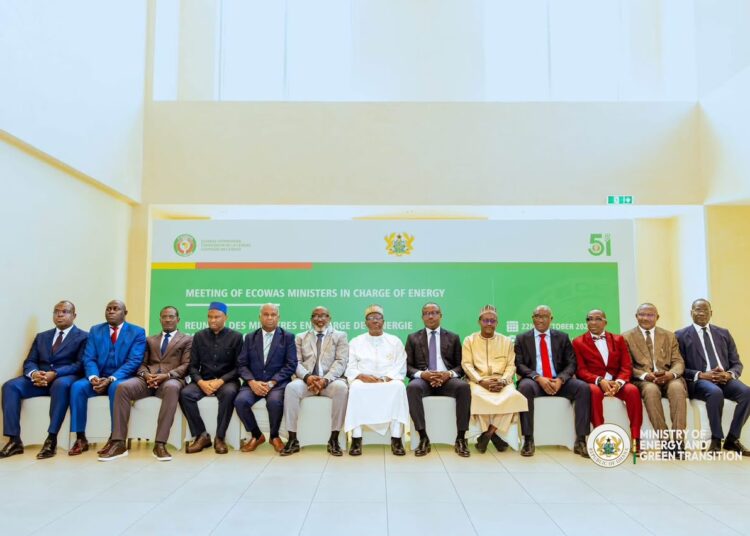
West African energy ministers are considering new regional rules for battery storage and electricity market financing as the Economic Community of West African States (ECOWAS) seeks to strengthen cross-border power cooperation and expand access to reliable electricity.
The proposals, being considered at a ministerial meeting in Accra, address two important constraints on the region’s energy transition: the ability of national grids to accommodate increasing volumes of renewable electricity and the funding required to sustain regional electricity institutions.
One proposed directive would establish a common framework for Battery Energy Storage Systems (BESS) and related technologies, while a separate amendment would revise the regulations governing the ECOWAS Regional Electricity Market Levy.
Together, the measures are intended to support more coordinated energy planning, improve the integration of solar and other variable renewable sources, and provide regional institutions with the resources to carry out their regulatory and operational functions.
The discussions come as West Africa continues to face a substantial electricity access gap. Figures presented by the ECOWAS Commission indicate that 61 per cent of the region’s population has access to electricity, leaving nearly 180 million people without a connection.
For a region seeking to expand industrial activity, improve living standards and reduce dependence on imported energy, the challenge extends beyond building additional power plants.
It also involves connecting national systems, making better use of available generation and establishing the institutional arrangements needed to trade electricity efficiently across borders.
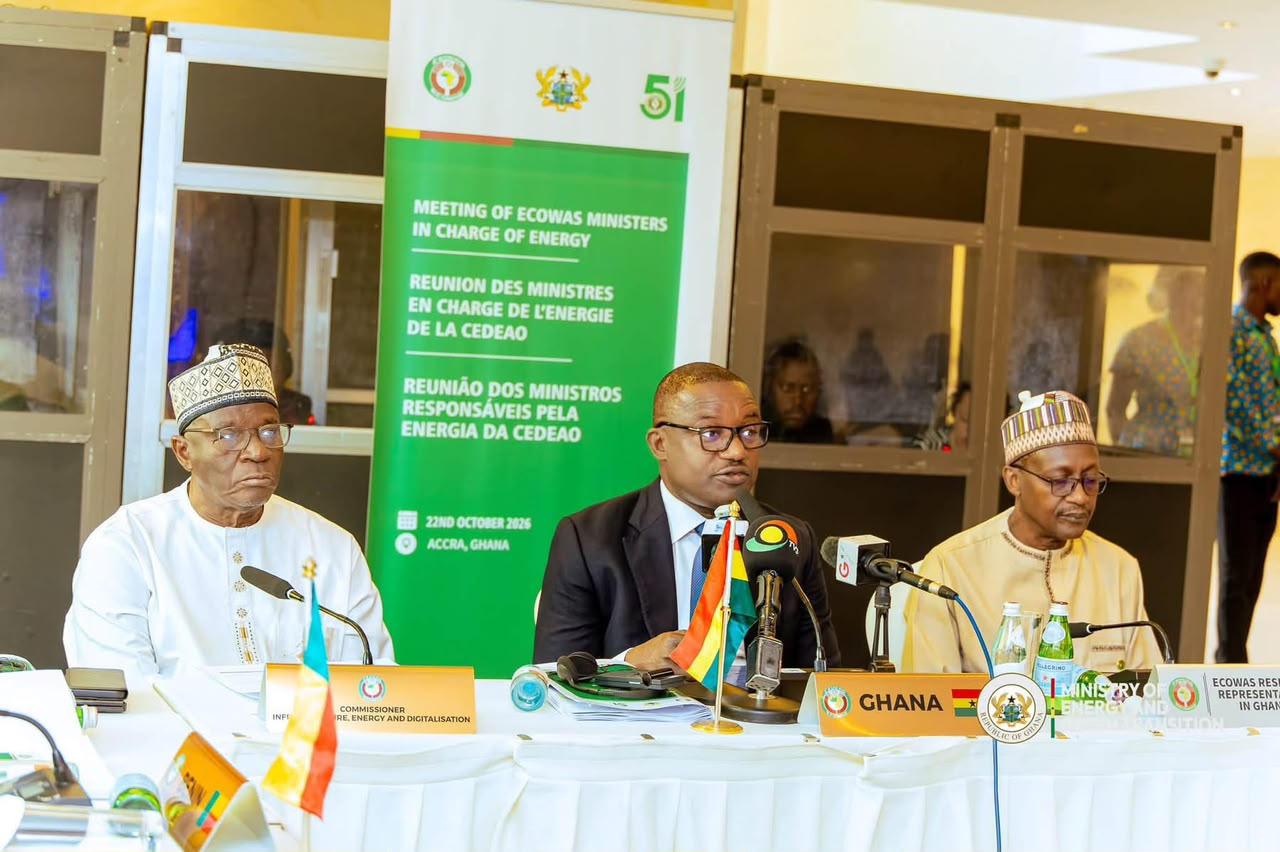
Amin Amidu Sulemani, ECOWAS Commissioner for Infrastructure, Energy and Digitalization, said regional cooperation was essential to addressing the sector’s shared challenges.
“If we operate independently, it will be difficult in the energy sector. We must operate as a region and as an integrated body,” he told journalists on Thursday.
His remarks underline the central argument behind the proposed measures: isolated national interventions may not deliver the full benefits available through a more integrated West African electricity market.
Battery storage moves up the regional agenda
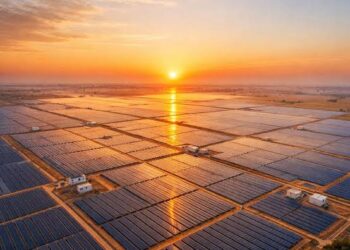
The proposed BESS directive seeks to help electricity systems accommodate solar power and other renewable sources whose output changes with weather conditions and time of day.
Although solar generation offers an opportunity to diversify electricity supply, its contribution to grid reliability depends partly on whether electricity can be stored when generation is high and released when demand rises or output falls.
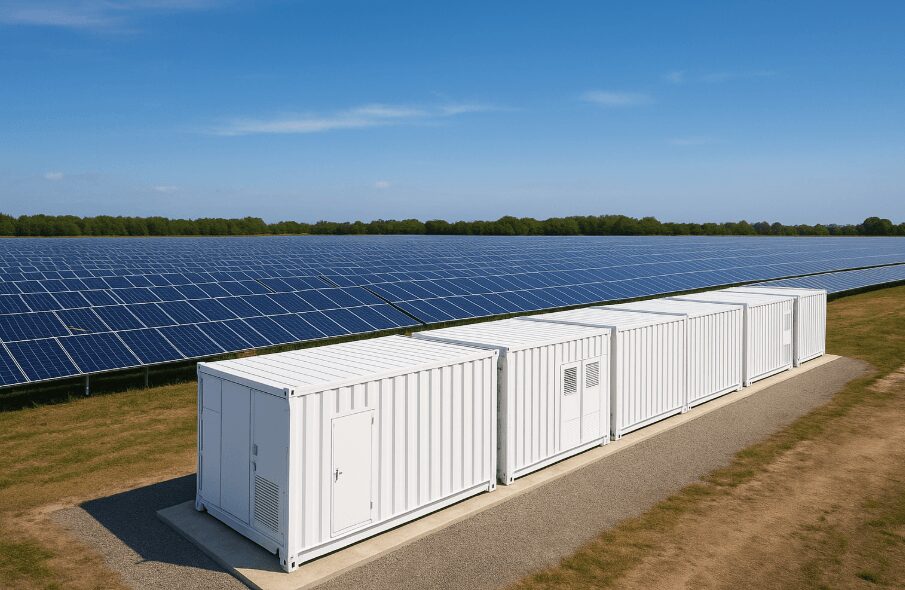
Battery storage can help address that imbalance by shifting some electricity supply from periods of high generation to periods when it is needed. It can also provide grid services that support the stability and flexibility of electricity networks.
For countries across West Africa, a harmonised approach could help establish clearer expectations for the deployment and operation of storage technologies.
However, the effectiveness of a regional directive will depend on how it is implemented within national electricity systems, including the technical standards, investment arrangements and regulatory responsibilities adopted by individual member states.
Sulemani said battery storage would be particularly useful in supporting solar generation during peak demand periods and could contribute to reducing electricity production costs.
The economic case will nevertheless depend on project design and system conditions. Batteries require upfront investment, and their contribution to lower costs must be assessed against financing, operating and replacement expenses, as well as the generation and network investments they may help avoid.
For Ghana, the issue has immediate relevance as the country explores ways to manage demand fluctuations and make more effective use of its existing generating capacity.
Energy and Green Transition Minister Dr John Abdulai Jinapor said the difference between peak and off-peak demand could reach 800 megawatts during some seasons, creating a challenge for the efficient management of available electricity.
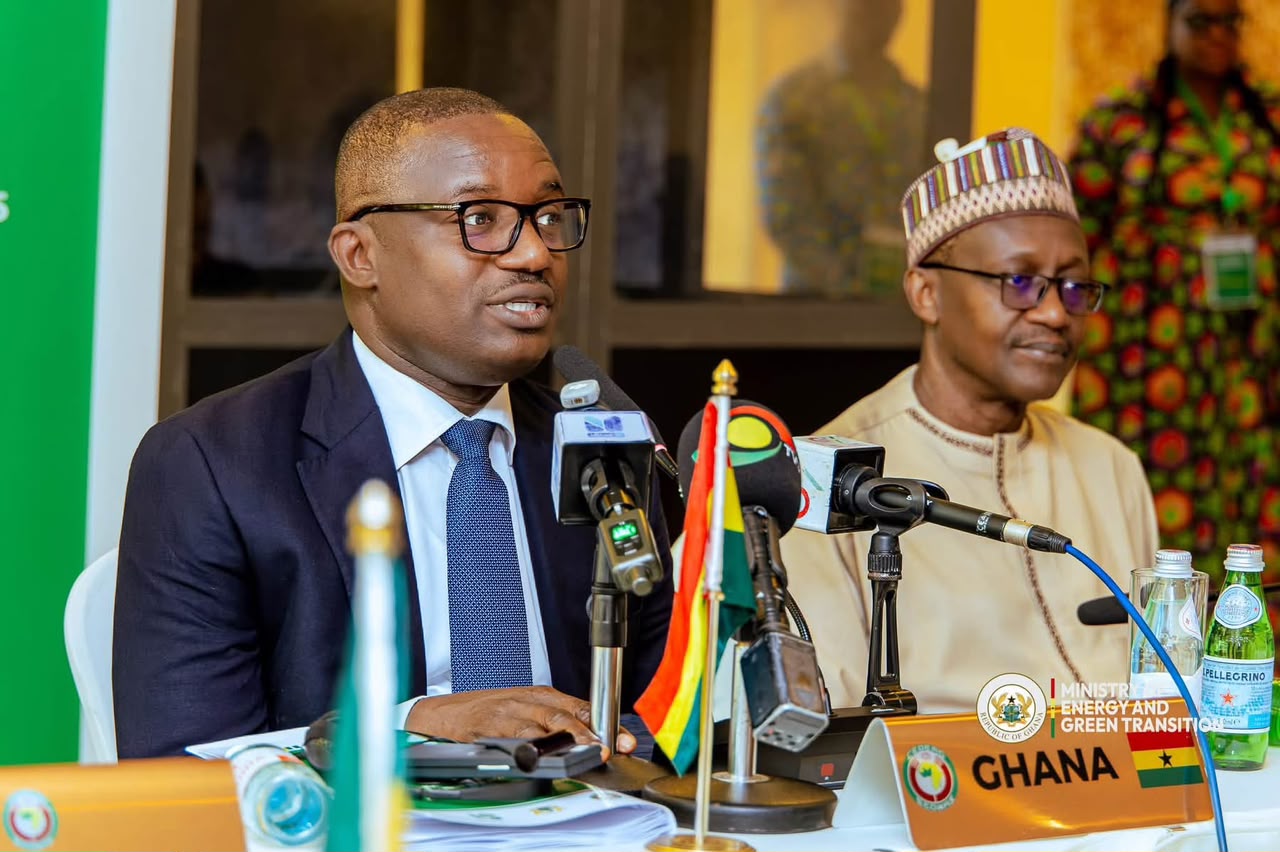
He said Ghana was pursuing battery storage projects to help manage periods of high demand while improving the use of existing generation resources.
“The future of energy security is not just simply about the power we generate. It is about how intelligently and efficiently we manage the power available to us,”
The minister also disclosed that Ghana had completed competitive bidding for approximately 200 megawatts of solar power and intended to procure a further 200 megawatts to help meet peak demand.
The plans highlight the growing importance of combining generation expansion with measures that improve the timing and reliability of electricity supply.
However, the proposed additional capacity and storage investments will need to be translated into operational projects before their effects on the electricity system can be assessed.
Regional electricity market faces a funding question
Alongside the storage directive, ministers are considering an amendment to the regulations governing the ECOWAS Regional Electricity Market Levy.
The proposed change is intended to provide regional energy bodies with the resources required to fulfil their regulatory, market and operational responsibilities.
The institutions expected to benefit include the ECOWAS Regional Electricity Regulatory Authority, the West African Power Pool and the System Market Operator.
Their responsibilities are important to the development of a functioning regional electricity market, where electricity can be traded between participating countries under agreed rules and coordinated operating arrangements.
Cross-border electricity trade can help countries manage differences in generation capacity and demand.
A country with surplus electricity may be able to supply a neighbouring market experiencing a shortfall, potentially improving the use of existing infrastructure and reducing the need for every country to meet all its electricity requirements independently.
But regional trade requires more than physical transmission links. It also depends on regulatory coordination, market administration and institutions capable of overseeing transactions and maintaining confidence among participating systems.
The levy amendment therefore raises a practical issue for regional integration: whether the funding framework can provide these bodies with sufficient and predictable resources to perform their functions.
The information presented at the meeting does not specify the proposed levy rate, the precise changes to its collection arrangements or the expected additional revenue.
Those details will be important in assessing the financial implications for market participants and the extent to which the amendment addresses existing institutional funding needs.
Energy trade and access remain major challenges
Dr Jinapor also called for stronger energy cooperation among West African countries, particularly in natural gas trading.
He argued that greater regional exchange could reduce dependence on external suppliers and limit the effects of international disruptions on energy availability.
Natural gas remains important to electricity generation in several countries, including Ghana. Regional trade could create opportunities to diversify supply and improve access to resources, although its benefits would depend on available production, pipeline and transportation infrastructure, contractual arrangements and the affordability of delivered gas.
The call for stronger trade also reflects the broader relationship between regional energy integration and energy security.
Countries may have different resource endowments and generation profiles, but those advantages can be difficult to exploit without infrastructure and rules that enable reliable exchanges.
At the same time, regional cooperation must be accompanied by investment in electricity access.
With nearly 180 million people across West Africa still without electricity, the expansion of generation and trading arrangements needs to deliver benefits beyond existing urban centres and established industrial consumers.
The ECOWAS Commission has also urged member states to increase investment in solar power and other renewable sources, noting that the region’s considerable solar potential remains underutilised relative to its energy needs.
Turning that potential into reliable supply will require financing, transmission and distribution infrastructure, appropriate storage solutions and policies that support viable projects.
From regional commitments to implementation
The Accra meeting reflects ECOWAS’ wider effort to deepen electricity integration and establish a regional market capable of supporting economic development.
Yet the success of the proposed instruments will depend on the decisions that follow the ministerial discussions.
A common storage framework must translate into workable technical and regulatory requirements, while changes to the regional levy must establish a sustainable funding arrangement without creating unnecessary burdens for market participants.
For Ghana, the negotiations are particularly relevant as the country considers additional solar capacity and battery storage to address demand fluctuations.
For the wider region, the stakes include more efficient electricity trading, stronger regulatory coordination and improved access to power.
The measures could help create the conditions for a more connected energy system, but they will not automatically resolve financing constraints, infrastructure gaps or unequal access to electricity.
Ultimately, the test for ECOWAS will be whether the proposed rules strengthen cooperation in practice—allowing countries to use available power more efficiently, integrate renewable energy more effectively and extend reliable electricity to the millions of people who remain without it.
READ ALSO: Finance Ministry Rejects PIAC Claims Over ABFA Data Disclosure