UK government has introduced tougher measures to tackle anti-social behaviour, with breaches of new Respect Orders becoming a criminal offence punishable by up to two years in prison from next week.
According to the Home Office, the new orders will give police, local councils and other authorised bodies stronger powers to deal with persistent offenders and address gaps in existing enforcement measures.
Under the new framework, repeat offenders can be banned from town centres, subjected to curfews or prohibited from drinking in public spaces identified as anti-social behaviour hotspots, including high streets and local parks.
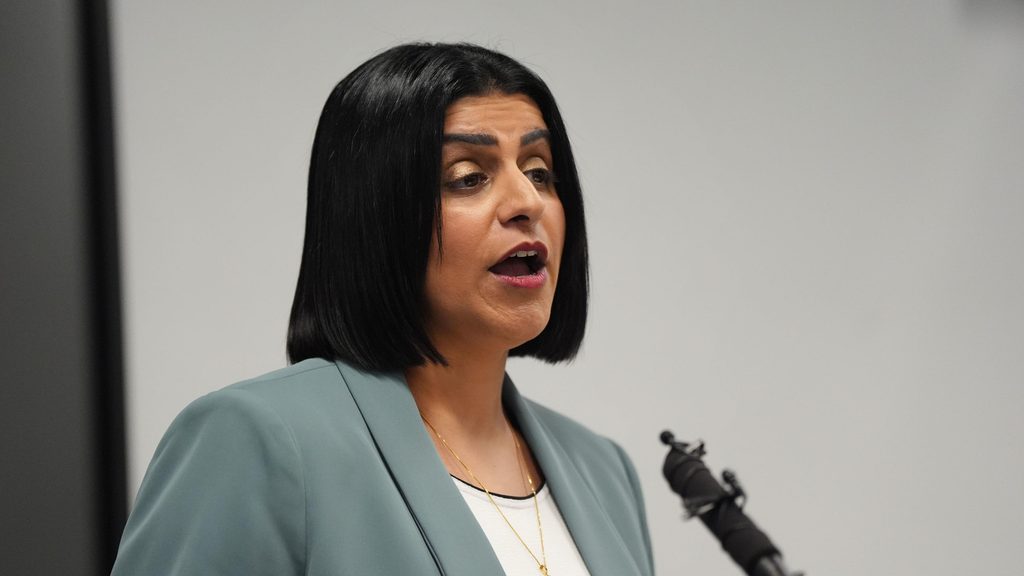
Home Secretary Shabana Mahmood stated that the measures will strengthen authorities’ ability to respond to behaviour that disrupts communities and undermines public confidence.
“Unchecked, anti-social behaviour blights our communities. But it is not inevitable and I won’t accept it. For too long, we have lacked the powers we need to deal with this problem properly. From today, that changes: authorities will be able to take tough action against these offenders.”
Home Secretary Shabana Mahmood
Police and Councils Gain Stronger Enforcement Powers

The Respect Orders will expand the range of measures available to authorities seeking to address persistent anti-social behaviour, with police and local councils able to apply for orders against offenders.
Housing associations and transport networks will also be eligible to seek the orders, extending enforcement options beyond traditional policing and local government structures.
The measures are intended to address recurring problems in public spaces by allowing authorities to impose restrictions on individuals whose behaviour repeatedly affects other residents and businesses.
Depending on the circumstances, restrictions could include exclusion from specific town centres, curfews and bans on drinking in designated public areas.
Breaching a Respect Order will constitute a criminal offence and could result in a prison sentence of up to two years, marking a tougher approach to enforcing restrictions against repeat offenders.
The orders will apply only to adults. However, existing Youth Injunctions will remain available for under-18s, allowing authorities to impose prohibitions and requirements intended to address anti-social behaviour among young people.
Police Chiefs Welcome Measures to Address Repeat Offending
Catherine Akehurst, the National Police Chiefs’ Council lead for anti-social behaviour, welcomed the legislation, describing the orders as an additional tool for police and partner agencies.
She indicated that persistent anti-social behaviour could undermine people’s sense of safety, weaken pride in their neighbourhoods and reduce overall quality of life.
“We welcome the new legislation to introduce Respect Orders, which will provide police and partner agencies additional tools to tackle anti-social behaviour which we know can so often undermine a sense of safety in communities, erode pride in neighbourhoods, and diminish overall quality of life.”
Catherine Akehurst
She added, “this new tool will enable swift enforcement against prolific offenders, while prioritising rehabilitation and support to break cycles of criminal and anti-social behaviour.”
The approach combines stronger enforcement with measures intended to prevent offenders from repeatedly engaging in behaviour that affects their communities.
By extending eligibility to housing associations and transport networks, the government is also seeking to involve a wider range of organisations in tackling persistent nuisance and disorder.
Respect Orders Form Part of Wider Public Transport Crackdown
The introduction of Respect Orders comes amid a broader government push to address anti-social behaviour on public transport and in other shared spaces.
Earlier in the week, it was announced that passengers who play music loudly on buses could face fines of up to £1,000 under proposed enforcement measures targeting disruptive behaviour.
Local authorities are also being encouraged to use new powers to impose fines for nuisance behaviour on buses, including littering, vaping and playing music without headphones.
The measures reflect an effort to strengthen responses to behaviour that disrupts other passengers and affects the quality of public transport journeys.
While the Respect Orders will provide a broader mechanism for imposing restrictions on persistent adult offenders, the proposed transport-related fines are directed at specific forms of nuisance behaviour in public settings.
READ ALSO: US$365 Trillion Debt Pile Could Turn Interest Costs into Ghana’s Next Economic Crisis