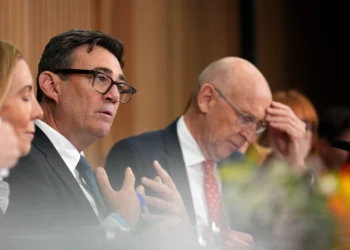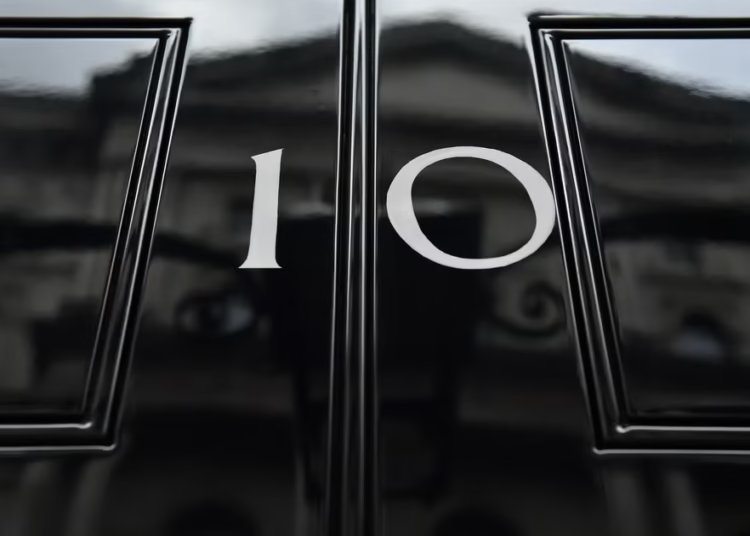
Downing Street has clarified the government’s position on a possible return to freedom of movement between the United Kingdom and the European Union, after Prime Minister Andy Burnham suggested he would not proceed with such a change without consulting the British public.
The clarification followed questions over whether the government would introduce freedom of movement without holding another referendum, with the Prime Minister’s deputy spokesperson indicating that government officials will not “get ahead” of decisions on how the public would be consulted.
According to a recent report, no decision had been made on the matter, suggesting that the government is yet to settle on whether a referendum or another form of public consultation would be required.
Andy Burnham also has ruled out major changes to the UK’s relationship with the EU before the next general election, which must be held by 2029, but has called for an open discussion about the country’s future relationship with the bloc.
Earlier in an interview, Andy Burnham indicated that he will welcome an “honest discussion” about the possibility of restoring freedom of movement between the UK and the EU.
The Prime Minister argued that migration patterns had changed since Brexit, with more foreign nationals moving to the UK permanently. He contrasted this with migration during the UK’s EU membership, which he described as involving “generally younger people” who spent a few years in the country before returning home.
However, Burnham ruled out some forms of deeper European integration, noting: “I can’t see myself ever recommending anything that would involve joining the euro or Schengen.”
The Schengen Agreement enables passport-free travel between participating European countries, while the euro is the common currency used by members of the eurozone.
UK retained the pound sterling throughout its EU membership and did not participate in the Schengen area.
Burnham has also argued that Brexit has weakened the UK’s ability to manage certain aspects of immigration, particularly the return of people who arrive irregularly.
“For instance, the small boats crisis has arisen in the last 10 years because we lost that returns agreement when people came here that we could work with other countries to return them.”
Despite opening the debate on freedom of movement, Burnham has maintained his commitment to Labour’s 2024 general election manifesto, which ruled out restoring free movement, rejoining the EU single market or returning to the customs union.
Burnham Signals Caution Over Restoring EU Freedom of Movement
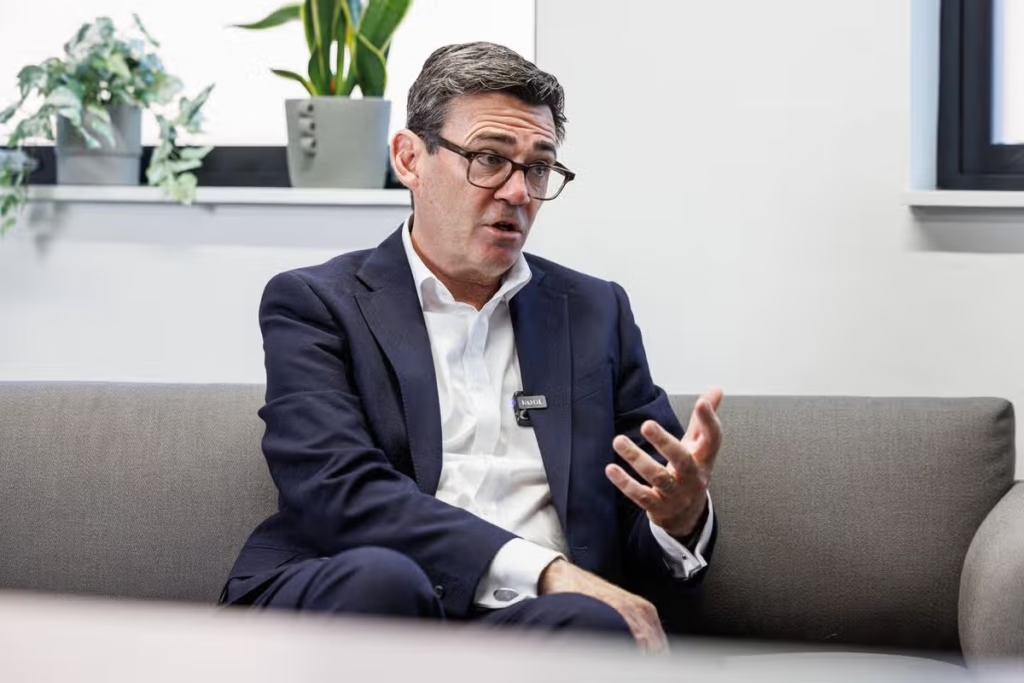
Questions about the government’s approach intensified after Burnham was asked whether he would introduce freedom of movement without holding a referendum. He responded: “No.”
However, Downing Street subsequently indicated that the government had not settled on how the public would be consulted about any future changes to UK’s relationship with the EU.
Moreover, Burnham has repeatedly insisted that he will not make significant changes to the UK’s post-Brexit arrangements without a mandate from the electorate at a general election.
The issue remains politically sensitive because immigration was a central theme of the 2016 Brexit referendum campaign.
The Leave campaign argued that freedom of movement allowed EU citizens to move to the UK, making immigration control a major part of the debate over British membership of the bloc.
Labour’s existing manifesto commitments therefore constrain the government’s immediate options, even as Burnham signals an interest in exploring closer relations with the EU.
Opposition Parties Clash Over Possible Return to Free Movement
The prospect of restoring freedom of movement has drawn opposing reactions from political parties, reflecting continuing divisions over Brexit and the economic implications of closer ties with the EU.
Conservative leader Kemi Badenoch argued that most people who voted to leave the EU did so because they opposed freedom of movement. Reform UK leader Nigel Farage described a potential return to the arrangement as “a total betrayal of Brexit Britain.”
Nigel Farage also maintained that he is “up for the fight again” over the EU, adding that an election would provide an opportunity to decide the issue, adding, “crucially, [Burnham] goes to Brussels on 20 November for a key summit – he must not sign up to anything there without at least putting those minor changes to a general election.”
The Liberal Democrats, by contrast, have argued that allowing freedom of movement could support economic growth.
However, the Prime Minister has ruled out major changes before the next general election but continues to advocate a discussion about the UK’s future relationship with Europe.
READ ALSO: Obi Mikel Slams Man United Players After Bournemouth Defeat