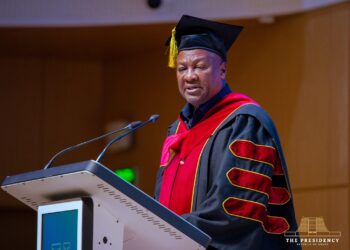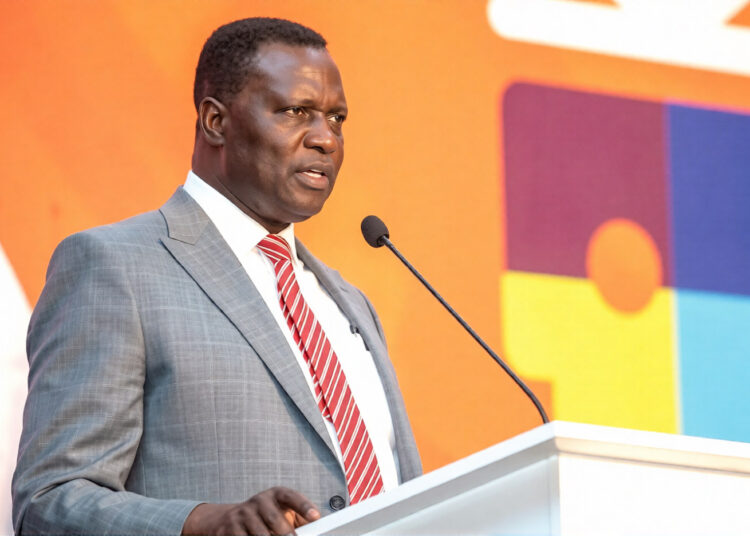
Former Education Minister, Dr Yaw Osei Adutwum has called for mandatory reporting laws in schools to strengthen child protection following the alleged sexual misconduct case at Obuasi Senior High Technical School.
The Bosomtwe MP believes the response must go beyond auditing the Ghana Education Service (GES) code of conduct to amending relevant legislation, compelling teachers and other professionals to report suspected abuse and introduce sanctions for failure to comply.
“Obuasi has exposed the inefficiencies within our legal and education system. And I think we have to really take a look at the gaps that currently exist and bridge the gaps so that we will not have another Obuasi.”
Dr Yaw Osei Adutwum
Speaking in an interview, Dr Adutwum questioned why the headmaster was interdicted only after the matter attracted wider public attention, even though the Interior Minister received a docket from Obuasi and referred it to the Attorney-General. He attributed the delay to “inadequate coordination” among the institutions responsible for addressing such cases.

The former Education Minister contended that Ghana’s current arrangements do not sufficiently compel individuals who receive reports of suspected abuse to escalate them to the appropriate authorities. Although secondary schools have designated focal persons and the GES has a code of conduct, he believes these measures cannot substitute a statutory reporting obligation.
Dr Adutwum therefore proposed amendments to the Criminal Offences Act to make reporting compulsory for teachers, medical practitioners and others who encounter suspected abuse. Under his proposal, failure to report could attract criminal sanctions, while teachers who negligently withhold information could face professional consequences.
He also distinguished criminal investigations from internal disciplinary proceedings within the education sector. While the police and other relevant agencies handle suspected offences, the GES should retain its separate responsibility for professional conduct, allowing employment sanctions where warranted.
Rejecting the suggestion that an audit alone would resolve the deficiencies, Dr Adutwum asserted that the gaps are already identifiable and require legislative action. He acknowledged that an audit could reinforce the reform process but insisted that lawmakers must establish clear reporting duties and consequences for non-compliance.
Former Education Minister Demands Criminal Checks For Teachers
Stronger background screening and compulsory annual safeguarding training are among the reforms former Education Minister, Dr Yaw Osei Adutwum believes Ghana must introduce to prevent individuals with criminal histories from moving between schools and potentially endangering students.
The Bosomtwe MP proposed amending the National Teaching Council Act to “make fingerprint-based criminal record clearance” a condition for issuing teaching licences.
“All education workers including those in private schools must undergo regular child protection training. This must be linked to the Criminal Investigations Departments. This would also help the schools to identify those who are not supposed to work with schools.”
Dr Yaw Osei Adutwum
He believes such checks should apply across public and private institutions to prevent people dismissed or removed from one school from securing employment elsewhere without adequate scrutiny.
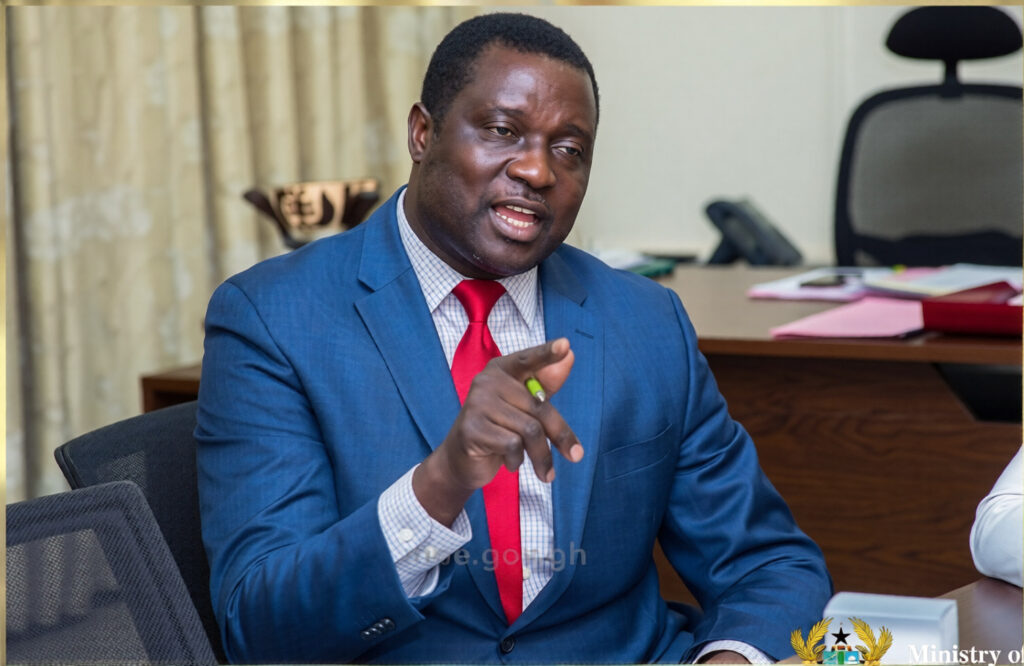
Dr Adutwum explained that Ghana’s current teacher licensing arrangements do not adequately establish whether applicants have criminal records. Although fingerprints are collected during the licensing process, he questioned whether they are routinely checked against criminal databases before licences are issued.
He therefore proposed that the National Teaching Council be required by law to verify applicants’ backgrounds before granting professional authorisation. Under the proposed system, an applicant whose record raises safeguarding concerns could be prevented from obtaining a licence and entering the classroom.
In addition to criminal screening, Dr Adutwum advocated compulsory annual training for teachers and other education personnel at the beginning of each academic year. He proposed that staff sign documentation confirming their participation and understanding of appropriate safeguarding procedures.
According to him, such training would help education workers recognise inappropriate conduct before it escalates into more serious incidents. He also argued that clear reporting procedures must accompany the training, ensuring that suspected abuse is referred to agencies such as the Domestic Violence and Victim Support Unit (DOVVSU) or Social Welfare rather than being handled solely within individual schools.

Turning to the Obuasi SHTS case, Dr Adutwum cautioned against limiting the national response to disciplinary measures against one individual. He stressed that transferring an alleged offender to another institution without effective safeguards could expose other students to risk.
He further explained that professional disciplinary procedures and criminal investigations serve different purposes. Consequently, the education sector must be able to enforce its own professional standards while allowing the police and judicial system to investigate suspected criminal conduct.
READ ALSO: Britian, Poland Sign Defence Plan to Counter Russian Threats