The United Nations Office on Drugs and Crime (UNODC) has found that the area under opium poppy cultivation in Afghanistan increased by 330% despite a ban imposed by the Taliban, as economic hardship, drought and limited alternatives continue to pressure farming communities.
According to the agency’s 2026 Afghanistan Opium Survey, cultivation expanded to approximately 43,300 hectares, up from about 10,200 hectares in 2025, while estimated opium production rose from 296 tonnes to just under 1,500 tonnes.
UNODC Executive Director, Monica Juma stated: “the fourfold increase in opium poppy cultivation shows the difficulty in sustaining decreases in illicit opium cultivation when poor farmers have no alternatives to feed their families.”
The increase represents a significant reversal after three years of declining cultivation following the Taliban’s prohibition of poppy farming and narcotics in April 2022.
However, cultivation remains substantially below pre-ban levels. Afghanistan had approximately 232,000 hectares under poppy cultivation in 2022 and previously accounted for around 80% of global opium supply.
Farmers Return to Poppy as Economic Pressures Mount
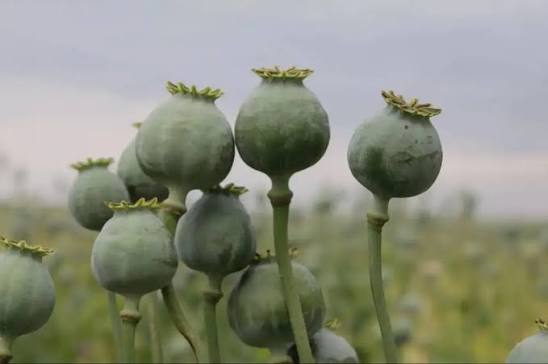
The Taliban authorities reported eradicating 22,000 hectares of poppy in 2026. However, UNODC found that some farmers were adapting their cultivation methods to avoid detection, including concealing plots within cereal fields and behind walls, as well as staggering planting and harvesting periods.
In rural Afghanistan, where farmers face diminishing profits from legal crops, restricted market access, and increasingly challenging agricultural circumstances, the resumption of cultivation coincides with growing economic constraints.
The financial difference between poppy and alternative crops remains a major challenge. UNODC’s 2025 survey estimated that wheat generated approximately US$800 per hectare, while opium could generate substantially higher returns despite falling prices and production
Such disparities help explain why some farmers are returning to poppy cultivation despite the risk of eradication and punishment.
Opium prices declined from US$570 per kilogramme in 2025 to US$500 in 2026, according to UNODC. Nevertheless, prices remain far above pre-ban levels of less than US$100 per kilogramme, maintaining a strong financial incentive for cultivation.
UNODC Executive Director urged the Taliban authorities and the international community to support farming communities through investment in alternative livelihoods, agricultural infrastructure and improved access to markets.
UNODC has also highlighted the need to move beyond simply encouraging farmers to replace poppy with other crops. Its alternative-development programmes in Kandahar and Helmand have supported former poppy-growing households through improved seeds, irrigation infrastructure, fruit orchards and other agricultural activities.
Early on, UN reported that one initiative had supported more than 6,000 farmers and established water infrastructure to improve irrigation and agricultural productivity.
These initiatives demonstrate the importance of addressing the underlying economic conditions that sustain illicit cultivation. However, alternative crops often require reliable water supplies, access to storage facilities, transport networks and dependable buyers before they can provide farmers with comparable financial security.
Without these supporting conditions, restrictions on poppy cultivation risk leaving farming households with fewer reliable sources of income.
Northeast Becomes Afghanistan’s Main Opium-Growing Region
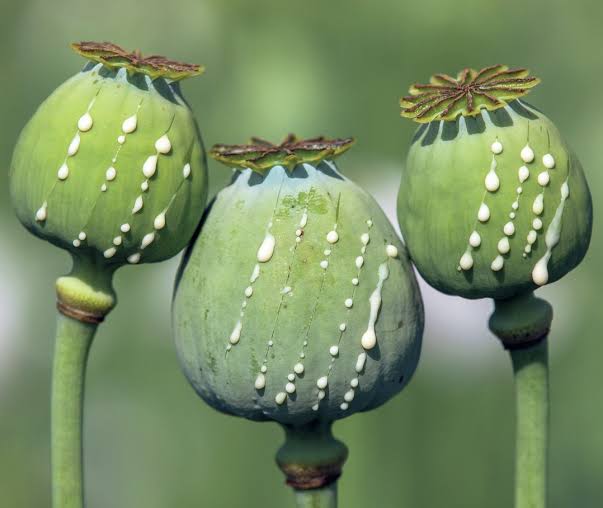
Moreover, the UNODC survey found that opium poppy cultivation spread to 16 of Afghanistan’s 34 provinces in 2026, five more than in the previous year.
Approximately three-quarters of the cultivated area is concentrated in the northeast, which has emerged as the country’s principal opium-growing region. Before the ban, cultivation was concentrated mainly in the southwest.
The changing geographical pattern suggests that enforcement has altered where poppy is grown, although the increase in cultivation indicates that it has not eliminated the economic incentives sustaining production.
Declining Stockpiles Threaten Global Heroin Supply
The resurgence in cultivation also has implications for international drug markets, particularly as existing opium stockpiles appear to be declining.
Since the Taliban introduced the ban, traffickers have relied partly on stocks accumulated before the restrictions to maintain supplies.
UNODC has previously estimated that Afghanistan held approximately 13,200 tonnes of opiates at the end of 2022, although the amount remaining depends on subsequent consumption, trafficking and other market developments.
The agency’s latest reporting points to signs that these reserves are running down. Its 2026 World Drug Report has also identified early indications of declining heroin supplies in Europe.
The European Union Drugs Agency has previously noted that substantial Afghan stockpiles and trafficking networks helped sustain heroin availability in Europe despite the sharp decline in Afghan cultivation following the ban.
It has also identified other regional sources, including Pakistan and Myanmar, as relevant to changes in international opiate supply.
With opium prices remaining elevated, diminishing stockpiles can strengthen incentives for farmers to cultivate poppy again.
READ ALSO: Ghana Wins Russian Support for BRICS Partner-Country Bid