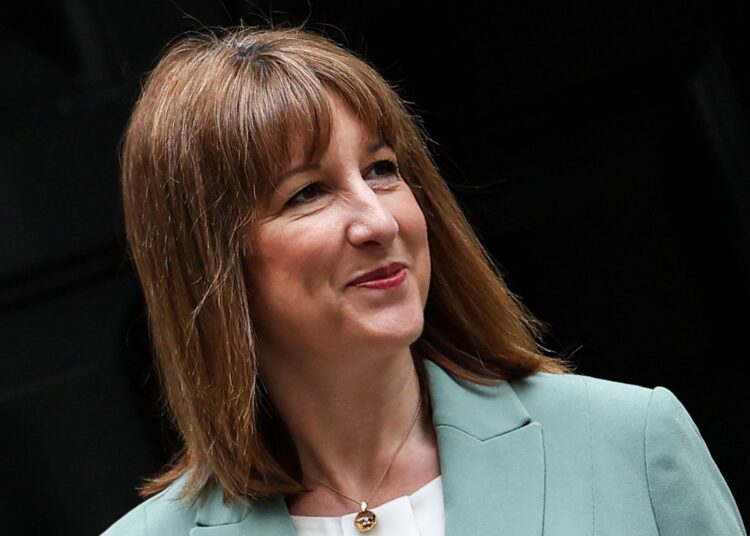
Former UK Chancellor Rachel Reeves has urged the European Union (EU) to take custody of €210 billion in frozen Russian sovereign assets and use the funds to support Ukraine’s defence, warning that failure to act can weaken the continent’s security.
In her first major intervention since leaving government, Ms Rachel Reeves indicated that the funding is critical to helping Kyiv withstand Russia’s continued military aggression, particularly as Ukraine faces mounting financial pressures and uncertainty over future support from the United States.
Ms Rachel Reeves, alongside three former senior politicians from Germany, France and Canada, maintained that the EU must take the lead in addressing Ukraine’s funding gap, insisting that “the time to act is now.”
“We are coming together to say we need to stand by Ukraine in its time of need. A critical next step should be for the EU to take custody of the 210 billion euros of sovereign Russian assets it immobilised in 2022 so it can use them to help Kyiv in its defence.”
Miss Rachel Reeves et al
Reeves Warns of Ukraine’s €70bn Funding Shortfall
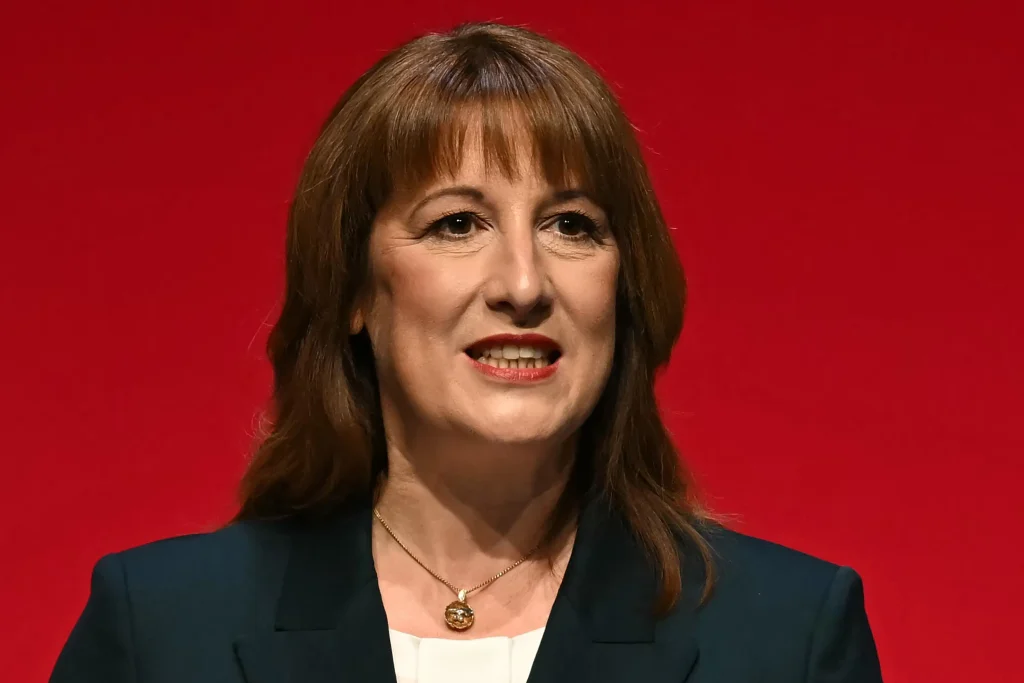
The four politicians warned that Ukraine faces a €70 billion financial shortfall next year, arguing that the frozen assets can provide sufficient resources to sustain its defence into 2029.
They maintained that securing the funding will reduce the risk of political changes in key European Union member states disrupting financial assistance to Kyiv.
“Ukraine faces a desperate winter as Russia pummels its almost defenceless people from the air. It also faces a 70 billion-euro financial hole next year. Without new funding, Kyiv’s capacity to sustain its defence will be gravely impaired.”
Miss Rachel Reeves et al
Ms Reeves and her co-authors further stated that Ukraine’s ability to resist Russian aggression is directly linked to the security of other European countries, describing the country as Europe’s “first line of defence against Russian aggression.”
They called on the EU to lead efforts to fill the funding gap, while urging other allies, including the United Kingdom and Canada, to contribute.
The appeal comes amid uncertainty over continued American support for Kyiv, with US President Donald Trump pressing Ukraine to reach an agreement with Moscow.
According to Ms Rachel Reeves et al., “Ukraine is ready to engage in peace talks as it has always been. But Russia must feel increased pressure to engage in genuine negotiations. The transfer of its accounts would provide this needed pressure.”
Proposal Seeks to Address Legal and Financial Risks

Under the proposal, EU will take custody of the frozen Russian accounts and assume the associated liabilities, rather than leaving the financial and legal exposure concentrated in Belgium, where most of the assets are held.
The European Union has immobilised more than €210 billion in Russian central bank assets since Moscow launched its full-scale invasion of Ukraine in February 2022. Most of the funds are held through Euroclear, a financial securities depository based in Belgium.
A previous effort to use the assets to provide additional support for Ukraine encountered resistance over concerns that Belgium and Euroclear can face legal claims or retaliation from Russia.
Belgium has maintained that it should not bear the risks alone, while other European countries have continued to explore arrangements that will distribute potential liabilities across the bloc.
To address those concerns, Ms Reeves and her co-authors proposed that EU assume responsibility for the accounts and provide guarantees to mitigate potential losses if Moscow retaliates.
They also stressed that using the funds will be more acceptable to European citizens than relying on additional taxpayer contributions or government borrowing.
“Moscow has an obligation under international law to pay compensation for its illegal invasion. Using these funds to help Ukraine defend itself would not only be just, it would also be more acceptable to our fellow citizens than using more European taxpayers’ money or further borrowing.”
Miss Rachel Reeves et al
They also cited the transfer of Iraqi assets to an account at the Federal Reserve Bank of New York following the fall of former Iraqi leader Saddam Hussein as a precedent for their proposal.
EU already uses extraordinary revenues generated by immobilised Russian assets to support Ukraine through existing financial arrangements. However, the proposed transfer of custody will go further by placing the underlying assets and associated liabilities under EU control.