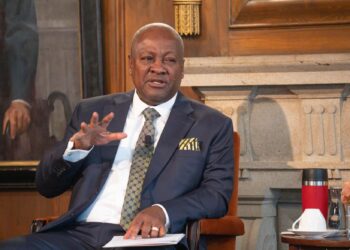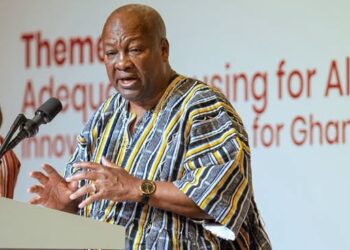
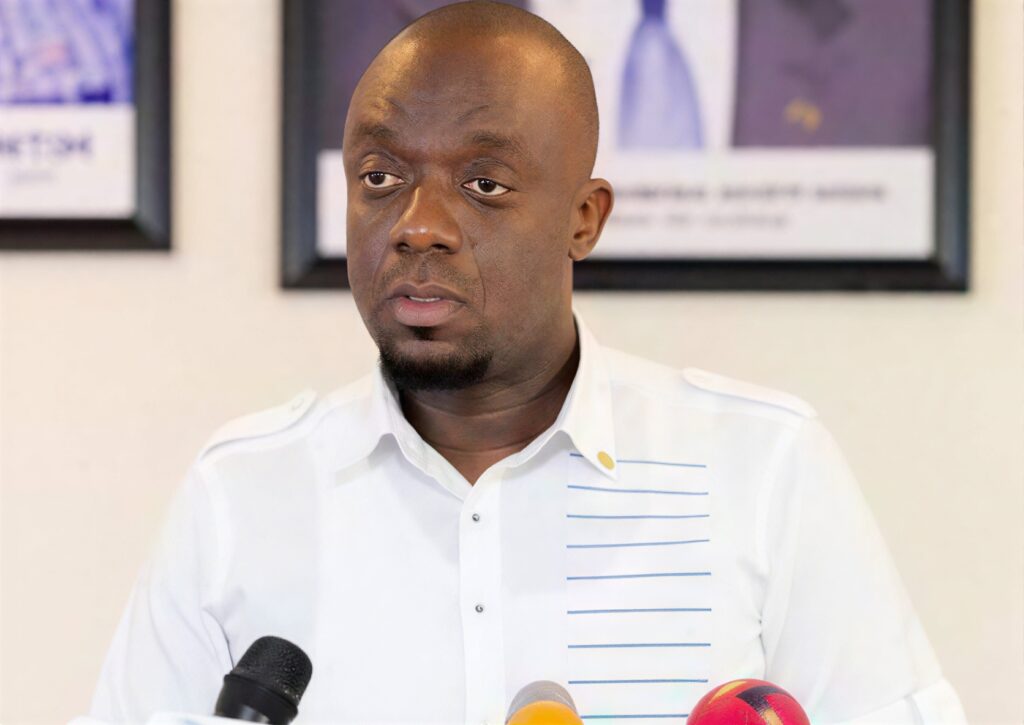
Political analyst and lecturer Dr Jonathan Asante Otchere has criticised the New Patriotic Party’s (NPP) decision to charge prospective parliamentary aspirants GH¢5,000 to declare their intention to contest on the party’s ticket.
The development follows comments by the party’s Deputy General Secretary, Haruna Mohammed, who defended the fee, explaining that it would cover screening, registration and capacity-building activities ahead of the formal nomination process.
“If somebody is prospective, somebody has an intention of wanting to contest, and you want to build the capacity of that particular person, you are charging that person 5,000 Ghana Cedis. That is nothing less than extortionism.”
Dr Jonathan Asante Otchere
Speaking on the party’s revised parliamentary selection guidelines, Dr Otchere argues that the requirement places an unjustified financial burden on prospective candidates.

The lecturer acknowledged that the New Patriotic Party might have legitimate intentions in seeking to reform its candidate selection process, but contended that Mr Mohammed has not adequately articulated the party’s position. He questioned why sitting Members of Parliament, who already have parliamentary experience, would require the practical instruction that the proposed consultant-led training programme is expected to provide.
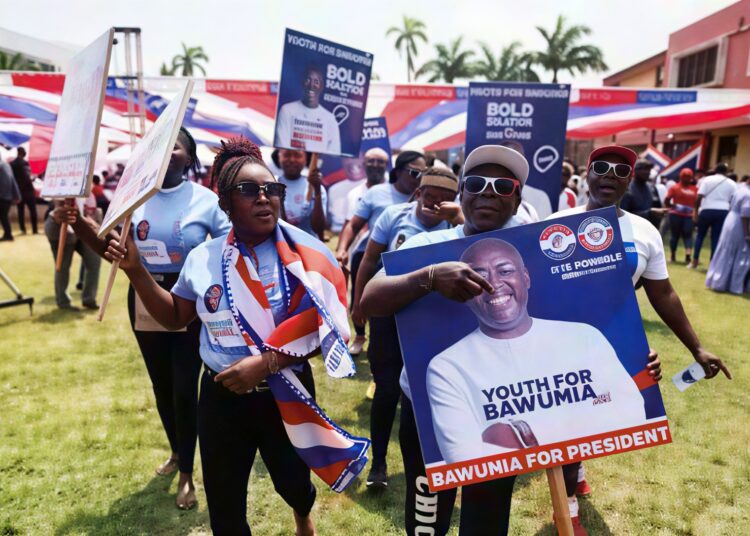
The political analyst intimated that the NPP flagbearer, Dr Mahamudu Bawumia may need to clarify his earlier remarks on the party’s parliamentary selection process. He recalled the flagbearer’s indication that the party would “comb through the nooks and crannies” of the country to identify individuals who meet its qualification standards and command greater acceptability within the party.
Dr Otchere cautioned that such an approach could create the perception that the screening exercise would favour individuals who align with the flagbearer’s political preferences. He warned that aspirants who consider themselves unfairly overlooked might contest the outcome, potentially fuelling discontent and deepening divisions within the party.
Although he considered the initiative a potentially useful experiment, the political analyst described its implementation as “premature” particularly because prospective candidates are expected to pay while the restriction on campaigning is in force.
Dr Otchere nevertheless insisted that the NPP needs to refine its communication and clarify the practical benefits of the proposed programme before proceeding. In his assessment, the party’s intentions would not be sufficient to secure public confidence if the financial requirement is inadequately justified.
Political Analyst Questions Afenyo-Markin’s Suitability to Lead The Minority Caucus
On the other hand, political analyst and lecturer Dr Jonathan Asante Otchere called for a rethink of Alexander Afenyo-Markin’s leadership of the New Patriotic Party’s (NPP) Minority Caucus.
The call for a possible change in leadership contrasts with the position articulated by the party’s General Secretary, Justin Frimpong Kodua, on Thursday, October 29, 2026. Mr Kodua dismissed reports of an impending shake-up, emphasising that the party has neither discussed nor considered replacing Honourable Alexander Afenyo-Markin and his team.
However, Dr Otchere averred that the Minority Leader has not demonstrated the qualities required to lead the parliamentary group effectively.
“The minority leadership will better be handled by the likes of Kojo Oppong Nkrumah or somebody else like Collins Adomako-Mensah. I don’t think that Mr. Afenyo-Markins has what it takes.”
Dr Jonathan Asante Otchere
Explaining his reservations, Dr Otchere described Honourable Alexander Afenyo-Markin as “just too inconsistent”, pointing to what he characterised as a “tirade against a Tamale judge” and the Minority Leader going “ballistic on the Chief Justice” before praising the Superior Court of Judicature for ruling that Honourable Nyindam’s election could not be annulled.
Dr Otchere questioned the consistency of these positions, maintaining that parliamentary leadership requires restraint and a measured approach when addressing sensitive institutional matters. He suggested that the manner in which the Minority Leader engages with such issues could affect public perceptions of the caucus.
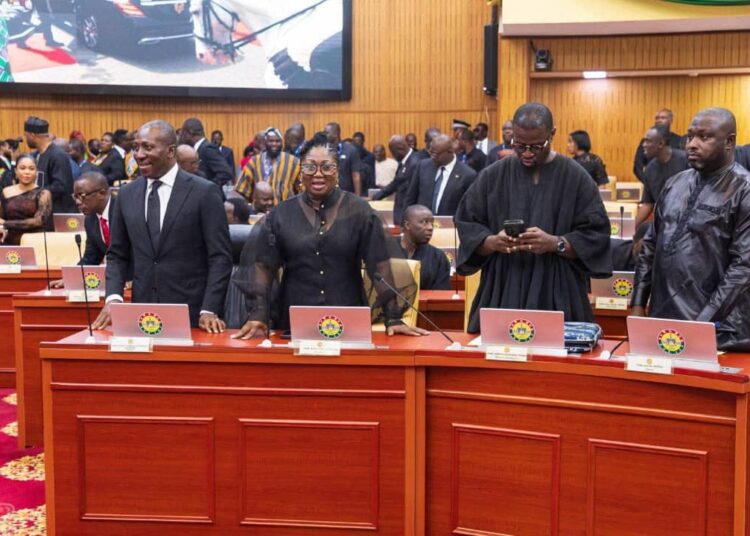
Beyond the question of parliamentary leadership, the lecturer identified public trust as a major challenge confronting the NPP, describing the problem as “the lack of trustworthiness.” He extended his criticism to the party’s flagbearer, Dr Mahamudu Bawumia, arguing that the party needs to reconsider its political communication and public engagement if it hopes to regain the confidence of Ghanaians and essential to the NPP’s efforts to reconnect with voters.
Meanwhile, Mr Kodua, addressing reports of a possible change in the Minority leadership at a press conference at the party’s headquarters in Asylum Down, insisted that no such discussions have taken place.
He further dismissed suggestions of an impending restructuring, expressing satisfaction with the work of the Minority Caucus under Honourable Alexander Afenyo-Markin Afenyo-Markin and pledging the party’s support for its leadership.
READ ALSO: NPP Ties GH¢5,000 Prospecting Fee to Screening Serious Aspirants