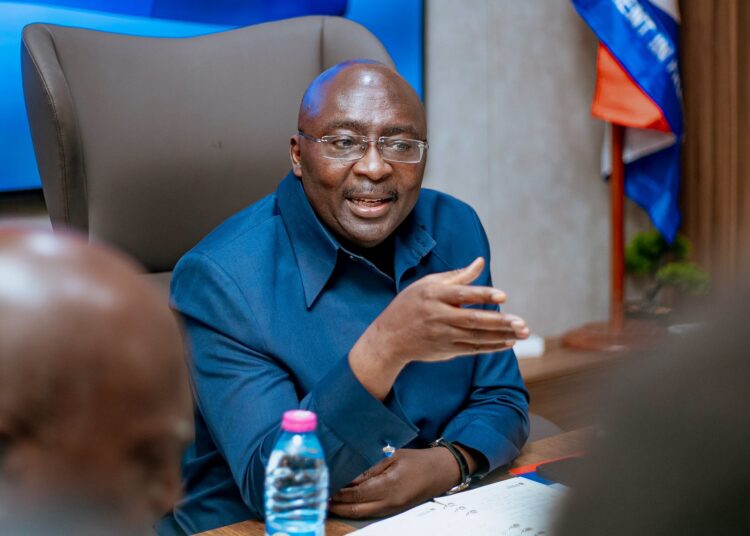
Dr Mahamudu Bawumia, the leader and presidential candidate of the New Patriotic Party (NPP), has disclosed that the party has begun scouting for potential parliamentary candidates in constituencies across the country. The search aims to identify people who can win seats in the 2028 general election, and not only those who can win internal primaries.
Dr Bawumia said some aspirants may have the money to win an NPP parliamentary primary without being able to win the general election that follows. To guard against that, the party will draw on more than one independent source and compare what each says about a constituency.
NPP Starts a Constituency Candidate Search
Dr Bawumia made the disclosure while speaking about the party’s preparations for the 2028 polls. He said the candidate search is already underway, which makes it an active part of the NPP’s early campaign planning and not a proposal for later.
The announcement adds detail to a rebuilding effort that has moved quickly this month. The party elected a new set of national officers in Kumasi in early October, with John Boadu returning as National Chairman.

Dr Bawumia has since turned the party’s attention to the contest with the ruling National Democratic Congress (NDC), and the candidate search is one of the first concrete steps he has described.
Why Primary Winners May Not Win Seats
Dr Bawumia described the risk in direct terms. “If you leave it to them, they will win the primary, but you’ve lost the seat,” he said. The concern rests on a basic fact of party politics. Delegates choose candidates in a primary, and a far larger electorate decides the general election.
A candidate with deep pockets can build support among delegates through resources and networks. That support does not always carry over to voters in the constituency, who judge a candidate on reputation, record and local standing. In a close seat, the gap between the two can decide who sits in Parliament.
The party does not intend to rely on one view. Dr Bawumia said the search will draw on more than one independent source, and the NPP will compare their assessments before it draws conclusions about any constituency.
Where those assessments point to someone with strong prospects, the party could approach that person and encourage them to contest. He explained the reasoning behind this approach in a single sentence. “Because if we find out that this is the person who can win us the seat, we’ll persuade that person to come on board and help us to win the seat,” he said.
The remarks, as reported, do not say who the independent sources are, how many constituencies the search will cover or how the party will rank their findings. They also do not say what standing a person approached by the party would have against aspirants who have already declared an interest.
Early Internal Elections and Sitting MPs
Dr Bawumia also spoke about timing for the party’s own contests. “We are going to also be looking to try to have our parliamentary elections as soon as possible, so that NPP will be done with internal elections,” he said.
He said the process would begin with the parliamentary constituency elections, and it would include engagements with sitting Members of Parliament. He added that the party would try to make the process as transparent as possible.
Transparency matters here because the candidate search sits alongside the primaries and not in place of them. Aspirants who have spent months building support in a constituency will want to know how independent assessments will count against the votes of delegates.

Sitting MPs, whom Dr Bawumia named as part of the early engagements, will want the same clarity about their own standing.
Seats at Stake After 2024
The parliamentary seats carry weight for the party’s wider ambitions. The NPP lost the 2024 general election, and the NDC secured a significant parliamentary majority.
A president without a working majority faces a harder task in passing laws, approving appointments and holding the executive to account, so the party’s push for the presidency depends on its performance in the constituencies. The party’s leadership has made the same point in recent weeks.
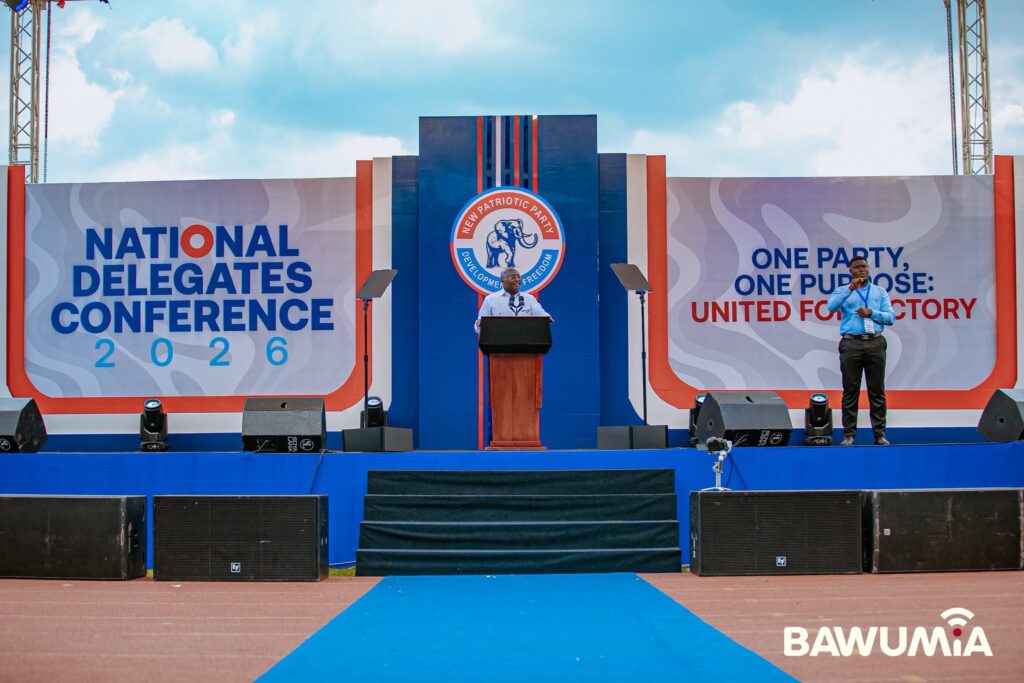
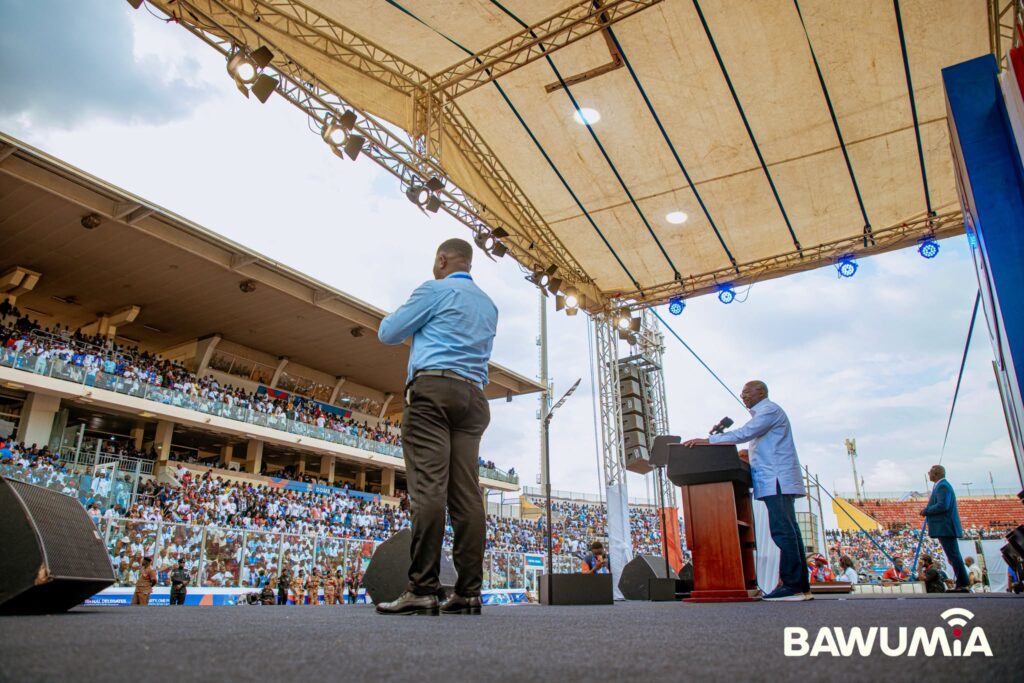
Minority Leader Alexander Kwamena Afenyo-Markin told delegates at the National Executive Elections in Kumasi that the party must support its presidential candidate and the National Council in ensuring that parliamentary candidates are elected in all constituencies, so that the NPP has the full complement for December 2028.
Dr Bawumia himself told the party at the close of that conference that there was no time to waste and that unity would win the election.
What the Party Must Settle Next
The candidate search turns that urgency into a process, but the detail is still thin. The party has to decide how independent assessments will reach constituency executives, how disputes will be handled when a recommended candidate meets a declared aspirant, and when the first parliamentary constituency elections will take place.
For now, Dr Bawumia has set the direction. The NPP wants its candidate choices tested against general election realities before voters ever see a ballot paper. Whether delegates accept that test, and whether the results justify it, will become clear as the first constituency elections are scheduled.