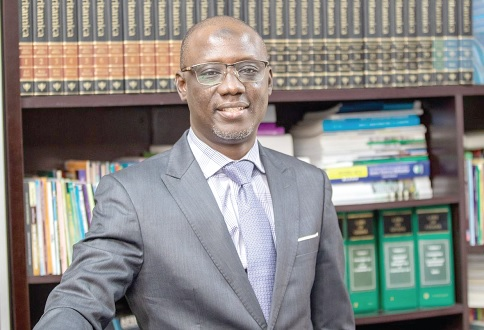
The Acting Director of the Ghana Library Authority, Dr Alhassan Ziblim Betintiche, has described the state of most public libraries in Ghana as very terrible, citing an outdated governing law, chronic underfunding and an uneven distribution of facilities across the country’s districts.
Speaking on the state of library infrastructure nationwide, Dr Betintiche disclosed that Ghana currently has only 142 public libraries, a figure he described as woefully inadequate given that over 150 districts across the country do not have any public library facility at all.
Dr Betintiche noted that even well-known and densely populated areas lack public libraries, citing Ashaiman and Madina as examples of major communities without a library facility. He added that the Northern Region, where his own mother is from, similarly lacks public library access, pointing to a broader national pattern of uneven distribution that requires urgent attention.
“For the over 150 districts that don’t have libraries, that is a clear situation where we need to start from scratch.”
Dr Betintiche
He explained that while existing libraries remain functional, the skewed distribution of facilities across the country means citizens and patrons in underserved communities lack access to library services comparable to those available in more endowed cities.
Turning to the 142 libraries currently in operation, Dr Betintiche said that while a few are in very good condition, the majority are in a very terrible state, a situation he attributed to a combination of long-standing structural and financial challenges.
An Outdated 1970s Law
Dr Betintiche identified the Ghana Library Authority’s governing legislation as one of the authority’s major challenges, describing the law as more than 55 years old.
He explained that the Act, enacted in the 1970s, established the Ghana Library Board and mandated it to establish, equip, maintain and manage libraries, but said this framework no longer reflects the current needs of library services or the aspirations of today’s patrons, particularly younger users.
He explained that libraries today are expected to offer far more than reading and book borrowing, including digital skills training, coding instruction and exposure to artificial intelligence, none of which the outdated law anticipated or adequately supports.
“A library is the only non-political, secure and safe environment for communities, especially for kids, where they can sit and learn something that looks toward innovation and personal and community development.”
Dr Betintiche
Chronic Underfunding
Dr Betintiche identified financing as another persistent challenge facing the authority, disclosing that budgetary allocations had been as low as 3 million cedis over recent years.
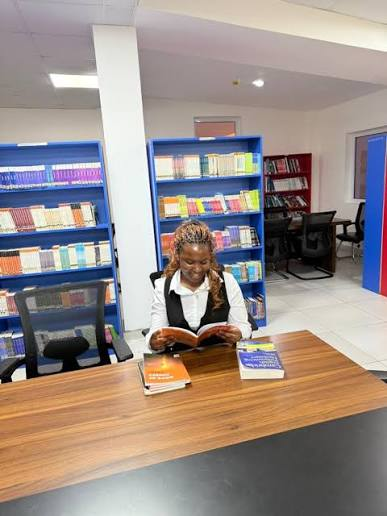
He said that under the current administration’s research agenda, led by the Minister for Education, the authority’s budget has since doubled over the past year, providing a boost that has enabled it to embark on library innovation and renovation programmes across the country.
Dr Betintiche disclosed that six libraries have been renovated over the past year, including facilities in Accra and Dodowa, one in the Volta Region, one in another region, and two additional libraries elsewhere in the country.
He explained that the goal of these renovations is to transform libraries into spaces that children and young people will genuinely want to associate with, rather than the more traditional reading-focused spaces of the past.
Libraries As Dynamic, Flexible Hubs
Dr Betintiche described the vision for modern libraries as dynamic and flexible hubs rather than spaces limited to reading and book borrowing.
He explained that libraries should offer opportunities for young people to develop digital skills, engage with coding programmes, and gain exposure to artificial intelligence, equipping them to meet future challenges and become innovative contributors to their communities.
He added that libraries also serve a broader community function, providing a space where community members can gather to discuss shared issues and propose solutions to local problems, extending the role of libraries well beyond their traditional function.
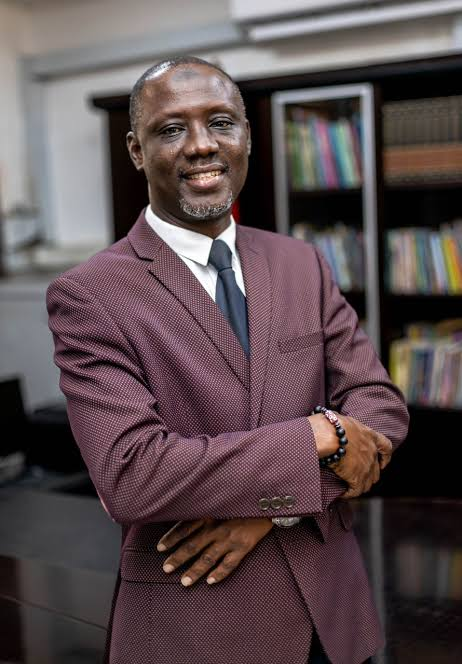
Dr Betintiche expressed appreciation to the President for the opportunity to contribute to the research agenda on library reform, and to the Minister for Education for leading efforts to transform Ghana’s library space.
He stressed that addressing the uneven distribution of libraries, modernising the governing legal framework, and securing sustained funding remain urgent priorities for ensuring that all Ghanaians, regardless of location, have access to quality public library services.
READ MORE: Ghana Records Decline in HPV Vaccine Uptake After Initial Rollout – Dr Boye