
The President of the Paediatric Society of Ghana, Dr Hilda Mantebea Boye, has disclosed that uptake of the Human Papillomavirus (HPV) vaccine has declined following the initial nationwide rollout, which saw about 1.8 million girls aged 9 to 14 vaccinated, prompting the Ghana Health Service (GHS) to return to active campaign mode to reverse the trend.
Speaking in an interview on Ghana’s progress in HPV vaccination, Dr Boye said that although the country recorded over 80 percent coverage during the initial campaign, the number of girls receiving the vaccine has since gone down, falling short of the target typically sought for such programmes.
“For these vaccination programmes, to get over 90 percent of the target population getting vaccinated is usually what we look at. We were able to do well with the one, I think it was over 80 percent. So it wasn’t where we wanted, but it was generally okay. And over the period, the numbers have gone down.”
President of the Paediatric Society of Ghana, Dr Hilda Mantebea Boye
Dr Boye explained that the national programme began in October 2025, with the vaccine initially administered through schools and community-based services as part of an active campaign.
She said this approach has since been revived, noting that sustained public awareness makes it easier to reach eligible girls, including those who have newly turned nine years old since the initial rollout.
Continued Access Through Child Welfare Clinics
She explained that the timing of child welfare clinics has also posed a challenge to accessibility, as many of these clinics close before adolescents finish school for the day.

This gap, she said, informed the decision to reintroduce school-based vaccination, allowing health workers to reach adolescents at the locations where they are most likely to be present during the relevant time window.
Dr Boye confirmed that the vaccine remains available at child welfare clinics, where parents can bring girls between the ages of 9 and 14 to be vaccinated outside of school-based campaign periods.
“If your child hasn’t received the vaccine and she’s a female from 9 to 14 years, we encourage you strongly to take your child to the child welfare clinic so that they can get their vaccination done.”
President of the Paediatric Society of Ghana, Dr Hilda Mantebea Boye
Reception Generally Positive, With Pockets of Hesitancy
On public reception of the vaccine, Dr Boye said uptake has generally been good across the country, though she acknowledged that in certain places, misunderstandings rooted in myths or uncertainty have affected turnout.
She said that once health workers are able to explain the vaccine and address these fears and anxieties, communities typically become more receptive and allow adolescents to be vaccinated.

Responding to questions on whether adults could access the vaccine, Dr Boye clarified that the current programme is strictly for adolescents aged 9 to 14 and is funded by government as part of the Expanded Programme on Immunisation.
She noted that the programme’s scope has expanded over time, from initially covering young children to now including adolescents as well.
For adults considering the HPV vaccine outside this programme, Dr Boye recommended that they consult their doctor to discuss their individual health status before making a decision on whether vaccination is appropriate for them.
Cost Comparison Underscores Value of Free Programme
Dr Boye noted that obtaining the vaccine independently outside the government programme can be expensive, citing a cost of around 2,000 Ghana cedis per dose for some vaccine types.
She stressed that the government-funded programme provides the vaccine free of charge for all children within the specified age range, underscoring the value of the publicly funded initiative.
On accessibility challenges, Dr Boye identified certain vaccination hotspots where turnout numbers remain difficult to improve, generally in cut-off communities, including riverine areas and islands requiring water crossings.
She expressed confidence that the Expanded Programme on Immunisation is actively working to overcome these geographic barriers.
Lessons From the Initial Rollout
Reflecting on lessons learned, Dr Boye said the evidence gathered from the initial campaign, including patterns observed after the campaign period ended, has demonstrated clearly that sustained awareness efforts are effective in driving vaccine uptake, informing the GHS’s decision to maintain active campaign strategies going forward.
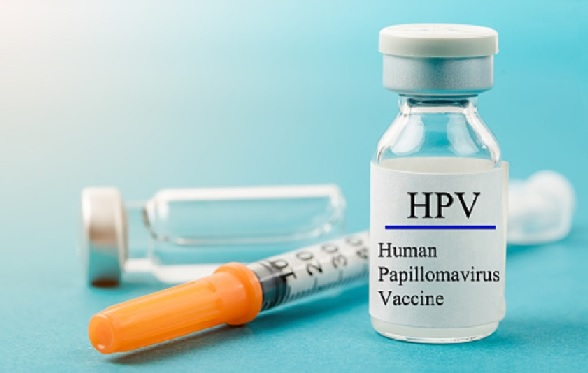
Dr Boye confirmed that the HPV vaccine is currently administered as a single dose for girls within the target age group, with exceptions made for special populations requiring a different dosing schedule. The vaccine is intended to prevent HPV infection and its associated complications, including cervical cancer.
READ MORE: Mahama Launches H-Enabler to Boost African Health Investment