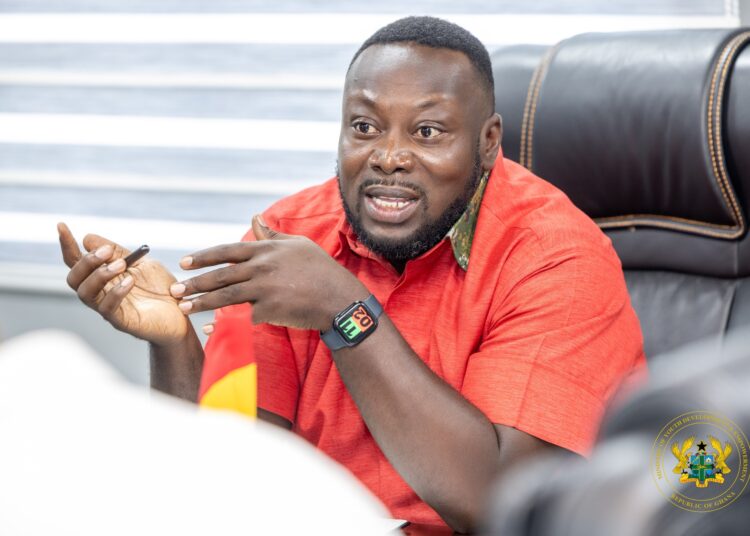
The National Youth Organizer of the ruling National Democratic Congress (NDC) and Minister for Youth Development and Empowerment, George Opare Addo, has urged his party to reject aggressive politics as it prepares to elect new national executives.
He made the call in an opinion piece titled “What Has Become of Ghanaian Politics?“, published after the New Patriotic Party (NPP) elected its own national officers in Kumasi.
Mr Opare Addo congratulated the NPP and then used its choice of leaders to ask whether Ghanaian politics is drifting toward confrontation. He argued that the NDC should answer with ideas, organisation and policy.
Mr Opare Addo opened by congratulating the NPP on electing a team it believes can rebuild the party, restore its fortunes and return it to power in 2028. “That is democracy,” he wrote, adding that democracy demands respect for the choices parties make in their internal elections.
He then asked what Ghanaian political parties are becoming and what kind of politics the country will leave to the next generation. NDC delegates, he said, should not ask only who can win an internal election. The question for them, he wrote, is “What kind of NDC do we want to build, and what kind of politics do we want Ghana to experience?”

The 2022 Reset and the 2024 Win
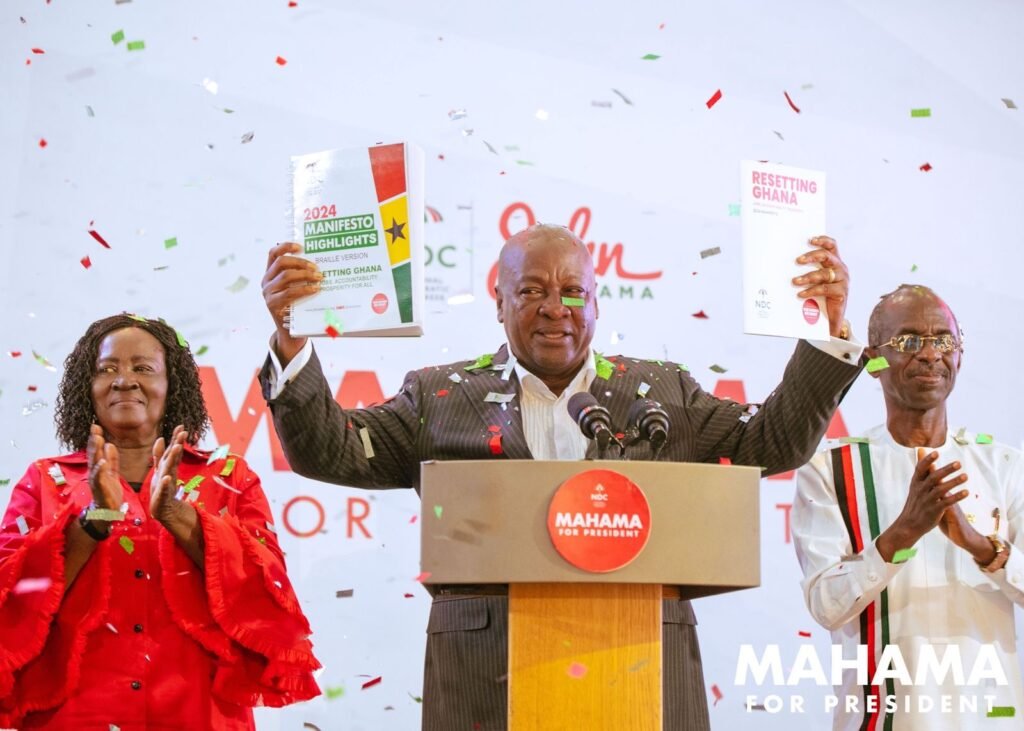
Mr Opare Addo traced the NDC’s recent revival to its 2022 elections, when delegates chose Johnson Asiedu Nketia as National Chairman and Fifi Fiavi Kwetey as General Secretary. He described that result as a political reset rather than a change of faces.
The party set out to rebrand, reconnect with sections of society and widen its coalition beyond its traditional base, reaching the middle class, young professionals, entrepreneurs, students, organised labour and the business community.
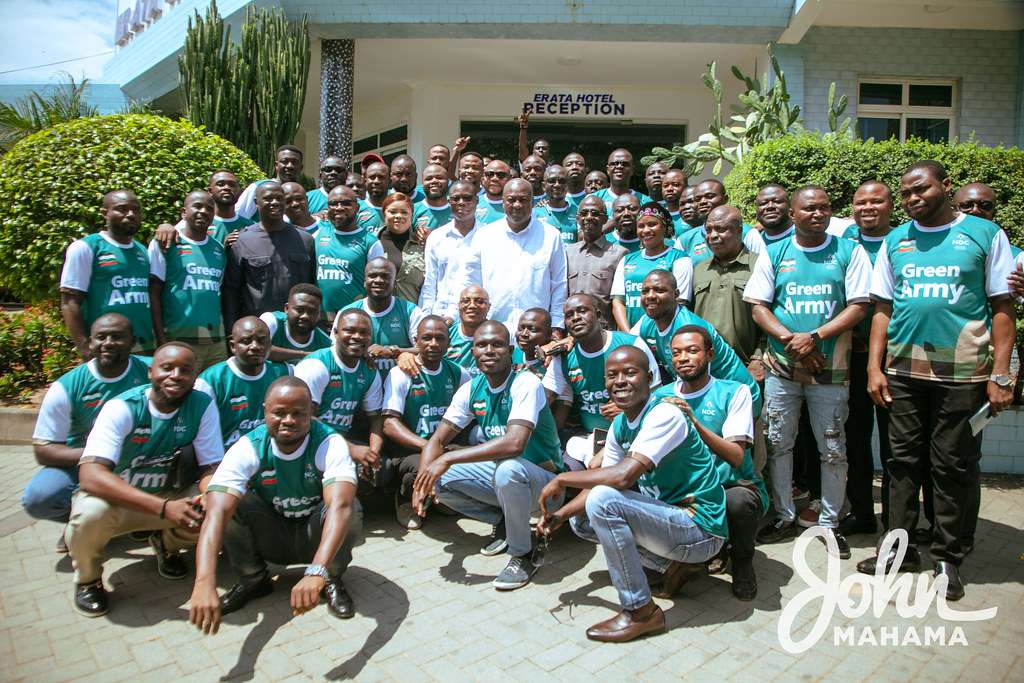
The youth wing followed the same thinking through the Green Army, which gave NDC young people a distinct identity and a disciplined mobilisation structure. The lesson he drew is that young people can be organised around ideas, purpose and political awareness, not only around confrontation.
He noted that the NDC won the 2024 presidential election and secured a significant parliamentary majority, and he said victory should make the party introspective. He wrote, “Political victories are temporary. Political relevance is earned continuously.”
Questions About the NPP’s Choices
Mr Opare Addo listed the NPP’s new officers as John Boadu returning to the chairmanship, Justin Kodua retaining the General Secretary post, Titus Glover becoming National Organiser, and Abanga Fuseini taking charge of the youth wing.
He said the party believes these figures have the experience, political energy and organisational capacity to rebuild, and that the choice must be respected. He then asked whether Ghana is seeing the start of a politics defined by confrontation, aggressive mobilisation and political combat instead of ideas, persuasion and national consensus.
The question should concern the NDC and NPP alike, he said. The piece does not accuse any named officer of misconduct. It draws a line instead. “There is a difference between being politically tough and being politically violent,” he wrote. He added that mobilisation differs from intimidation and competition from warfare, and said Ghana must never cross that line.
Compete With Ideas, Not Aggression
The core of his argument is that the NDC should not copy a style it criticises. The party must compete with ideas, organisation, policy, intellectual strength and the ability to inspire young people, he said, and show that progressive politics can be disciplined, modern and inclusive. “The answer to aggressive politics cannot be greater aggression,” he wrote.
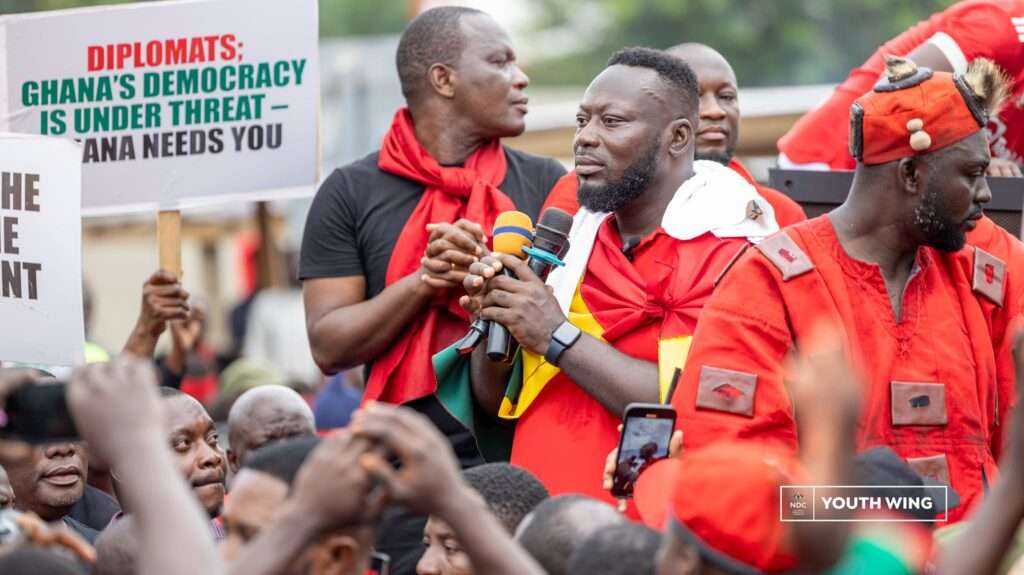
He pressed the point with questions about public life. Have politics, youth mobilisation and party organisation been reduced to the loudest voice, the biggest crowd and the ability to intimidate an opponent? Young people deserve organisations that challenge them intellectually, he said, and leaders who speak to their businesses, education, jobs and future.
What NDC Delegates Should Weigh
Mr Opare Addo wrote, “The choice is not simply between candidates. It is between political directions.” One path keeps the broad, modern and inclusive coalition behind the 2024 victory.
The other retreats to an older partisan style in which internal power struggles outweigh the national project. For the youth wing, he contrasted a disciplined, politically conscious generation with foot soldiers for confrontation.
The Green Army shows that mobilisation at scale is possible, he said, and the next task is to match it with ideas, knowledge, civic responsibility and leadership development. He urged delegates to look beyond who can defeat the NPP and ask, “Who can build the kind of NDC that Ghana needs?”
His answer is an NDC that wins the middle class without abandoning the working class, inspires youth without weaponising them, and stays fierce in competition but responsible in power.
A Partisan Intervention
Mr Opare Addo writes as a serving minister and the NDC’s youth organiser, so the piece is a partisan opinion and not a neutral assessment. The NPP officers he lists were chosen by delegates in Kumasi, according to the results sheet.
Titus Glover won the organiser post with 2,964 votes, and Abanga Fuseini Yakubu won the youth post with 1,550. Whether NDC delegates take up his call for a politics of ideas will become clear when their own contest is scheduled.
READ ALSO: Ghana’s Refining Bet Faces A Test Beyond TOR