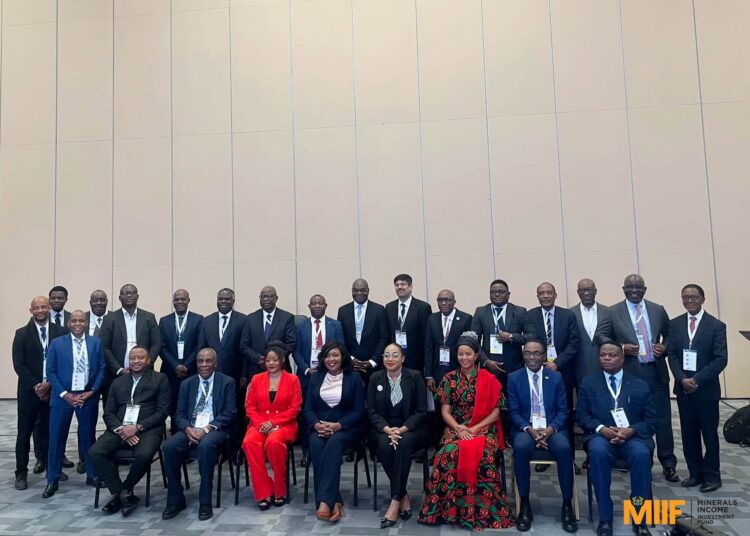
The Minerals Income Investment Fund (MIIF) has declared that Africa’s mineral wealth must create more than raw export revenues by actively driving domestic industries, generating sustainable employment, and constructing resilient local economies.
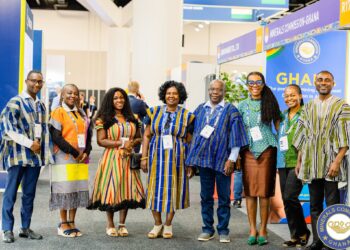
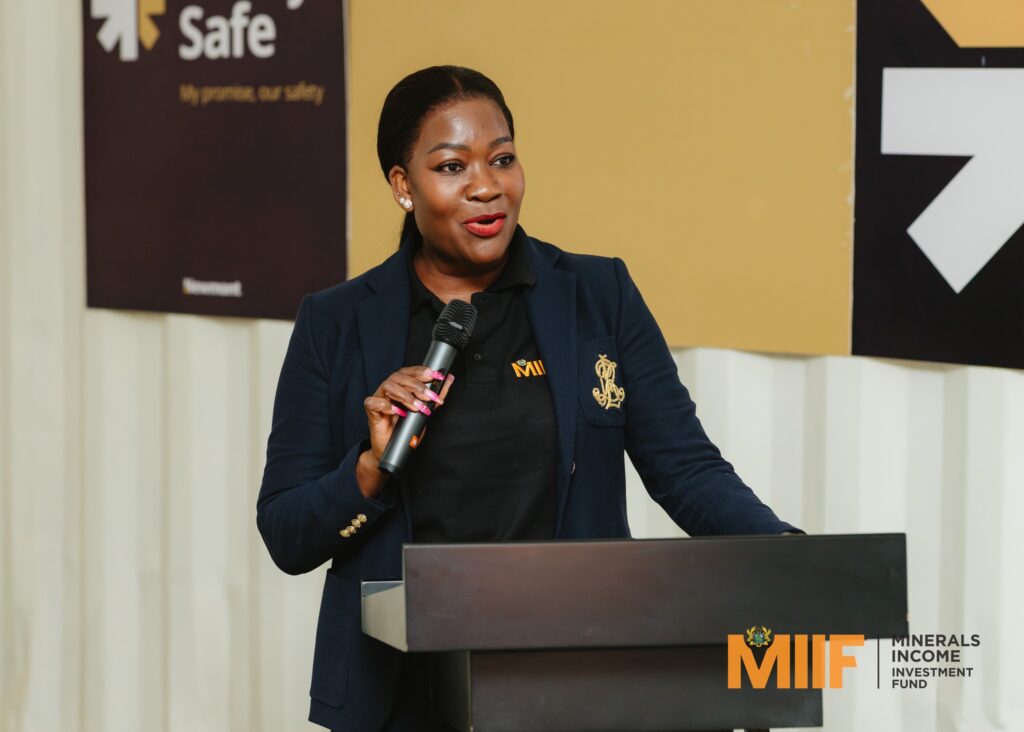
Speaking at the prestigious Zambia Mining and Investment Insaka 2026 in Lusaka, delegates from the Fund aligned with continental governments, international investors, and extractives industry leaders to formulate strategic blueprints on how Africa can unlock greater economic value from its natural endowments.
For Ghana, this strategic directive focuses firmly on downstream value addition, robust local equity participation, cross-border regional partnerships, and sustainable mineral investments.
The ultimate ambition driving this intervention remains simple yet transformative: to convert finite subsoil wealth into lasting, generational prosperity for citizens across the continent.
“Africa’s mineral wealth must create more than exports. It must drive industries, create jobs and build stronger local economies. For Ghana, the focus is on value addition, local participation, regional partnerships and sustainable investment.”
Minerals Income Investment Fund (MIIF)
Expanding on this mandate, MIIF’s participation in Lusaka highlights a decisive transition away from historical extraction models toward an integrated pan-African industrial framework.
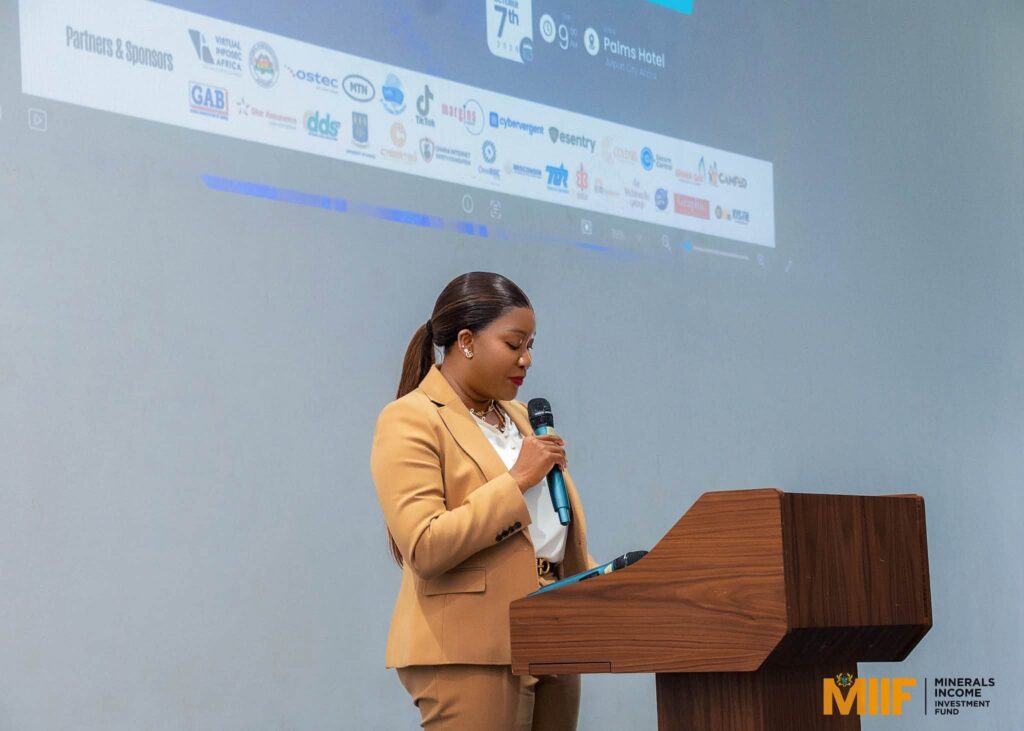
Historically, the African extractive sector has operated under an enclave structure, shipping unrefined concentrates and raw ores overseas while importing expensive finished mineral products.
MIIF emphasizes that altering this paradigm requires capital deployment into local processing facilities, domestic supply chain ecosystems, and specialized technological infrastructure.
By fostering strong institutional linkages between national sovereign funds and regional commercial partners, African states can retain a significantly higher proportion of the mineral value chain within their home borders.
Catalyzing Economic Transformation Through Local Processing
The economic imperative driving this initiative stems from decades of structural revenue losses caused by raw material exportation.
When mineral-producing nations export raw commodities, they effectively export high-value industrial jobs, engineering opportunities, and technical expertise to foreign manufacturing hubs.
Sovereign mineral funds like MIIF recognize that value addition such as refining gold locally, processing critical minerals for battery supply chains, and manufacturing industrial inputs serves as the primary engine for real economic diversification.
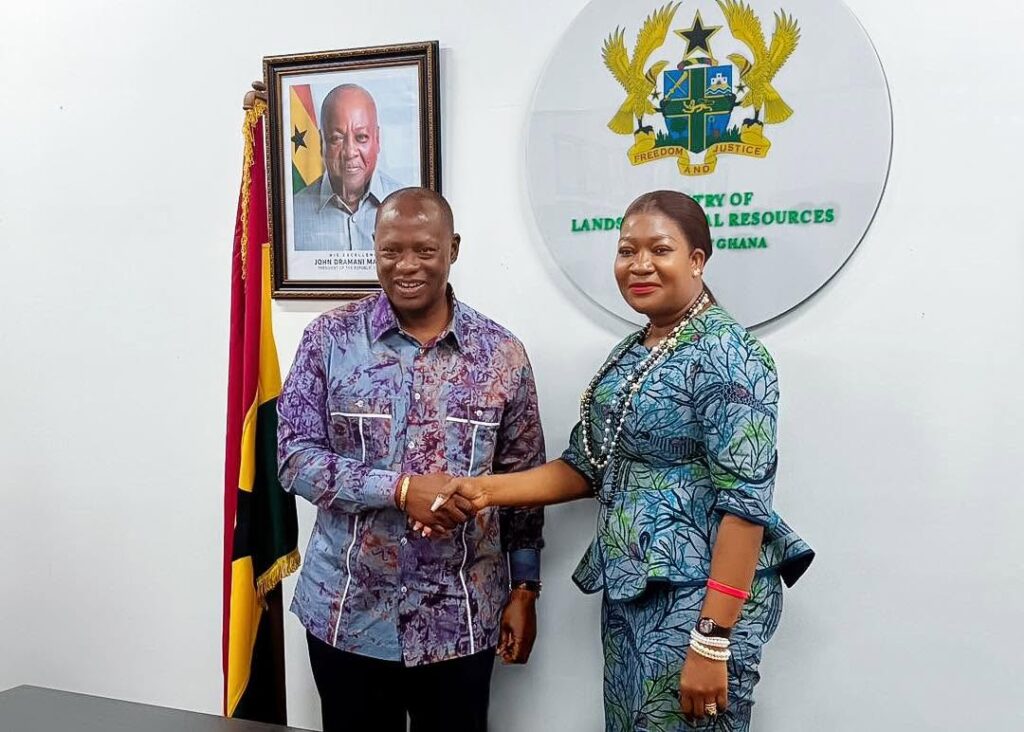
Expanding domestic processing capabilities ensures that mineral discovery directly fuels local GDP growth, stabilizes foreign exchange reserves, and insulates domestic markets against extreme global commodity price volatility.
In addition to industrial processing, expanding local content participation guarantees that national businesses secure lucrative contracts in mine support services, engineering, and equipment maintenance.
“Strategic equity participation and disciplined capital allocation are vital tools for building domestic industrial capacity,” according to extractives policy analysts, noting that sovereign backstops empower local enterprise growth.
By establishing stringent local procurement rules backed by dedicated commercial financing, African countries can transform mining enclaves into broad-based industrial corridors.
This shift not only builds deep technical expertise among national workforces but also ensures that communities surrounding mining operations experience tangible socio-economic development rather than environmental degradation alone.
Strengthening Regional Partnerships for Shared Prosperity
Fostering cross-border collaboration across African mining jurisdictions is crucial to executing a unified industrial strategy. Individual African markets often lack the standalone economies of scale or energy infrastructure required to host complete, end-to-end industrial manufacturing plants.
Platform gatherings like the Zambia Mining and Investment Insaka establish the necessary framework for neighboring nations to pool resources, harmonise mining regulations, and co-build regional value chains.
Collaborative trade arrangements enable raw materials mined in one jurisdiction to be refined and transformed using industrial power and manufacturing assets in another, maximizing efficiency under the African Continental Free Trade Area (AfCFTA).
Furthermore, regional joint ventures permit sovereign investment entities to co-finance large-scale infrastructure projects such as green energy grids, haulage railways, and mineral processing centers that no single country could easily undertake independently.
As continental leaders noted during the Lusaka sessions, “building regional value chains from ore to end product represents the single most viable path toward economic sovereignty”.
Joint investment strategies lower project risks, attract major international private capital on more favorable terms, and guarantee that African nations maintain joint ownership over their strategic mineral assets.
Mobilizing Sustainable Capital for Generational Impact
Financing Africa’s mining transition demands innovative, long-term capital mechanisms that go beyond conventional government budgets.
MIIF’s institutional framework demonstrates how royalty receipts can be actively reinvested into commercial equity, royalty streaming agreements, and strategic developmental assets.
By utilizing non-dilutive financing instruments, sovereign investment bodies can fund high-potential exploration projects and greenfield developments while shielding the state from direct operational risk.
Implementing rigorous Environmental, Social, and Governance (ESG) standards across all funded projects further ensures that capital deployment directly supports climate resilience, environmental remediation, and community well-being.

Ultimately, converting finite subsoil resources into permanent domestic capital assets is the fundamental test of modern African resource governance.
By aligning sustainable investment policies with aggressive industrialization goals, sovereign mineral funds provide the financial foundation necessary to break the historical cycle of raw resource extraction.
The strategic commitments articulated at Insaka 2026 set a definitive benchmark for the continent.
Through disciplined execution, strategic regional alliances, and unwavering focus on local processing, African nations can ensure their vast natural endowments deliver lasting wealth, economic independence, and elevated living standards for future generations.
READ ALSO: Black Sherif Opens Waitlist for ‘Zaama Disco’ Concert