
As the meningitis season approaches, the Director General of the Ghana Health Service (GHS), Dr Samuel Kaba Akoriyea has indicated that the Service is strengthening its preparedness to prevent avoidable deaths, particularly among children in communities within the meningitis belt.
The preparations, he explained, are informed by “the seasonal nature of the disease and the devastating consequences of delayed intervention” with the Ghana Health Service seeking to identify potential threats early and coordinate responses before cases escalate into a public health emergency.
“I am not going to wait for another child to die before I act, because I know exactly what it is. It’s being with us for long and it happens every season.”
Dr Samuel Kaba Akoriyea
Dr Akoriyea made the remarks during a discussion on the preparedness of the Ghana Health Service, drawing on his childhood experiences in the meningitis belt to underscore the urgency of preventive action. He recounted how children who appeared healthy one day could develop severe headaches and neck stiffness before dying within hours, leaving families and communities devastated.
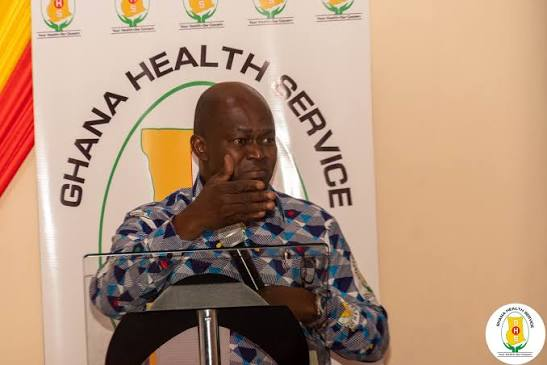
Reflecting on the country’s recent performance, Dr Akoriyea highlighted the relatively low number of meningitis deaths recorded in 2025, describing the outcome as “an indication of the work undertaken by the Ministry of Health and the Ghana Health Service.”
“We only had one or two deaths,” he remarked, while cautioning against overlooking the efforts behind the outcome. He attributed the result to preparedness and coordination, acknowledging the contribution of the health sector and the national leadership.
In addition to meningitis, the Director General of the Ghana Health Service pointed to the country’s response to cholera following flooding, observing that public health authorities must anticipate the health threats that commonly emerge after environmental disasters. He cited the absence of a significant cholera outbreak during the period as evidence of the importance of coordinated preventive measures.
Consequently, Dr Akoriyea called for public cooperation and a less politicised approach to health emergencies, stressing that seasonal diseases require collective vigilance.
GHS Investigates Deaths Linked To Suspected Yellow Fever
Meanwhile, the Director General of the Ghana Health Service, Dr Samuel Kaba Akoriyea also confirmed that Ghana recorded a yellow fever outbreak between September and the first half of October 2026, indicating that, “we had an outbreak but it has since been curtailed.”
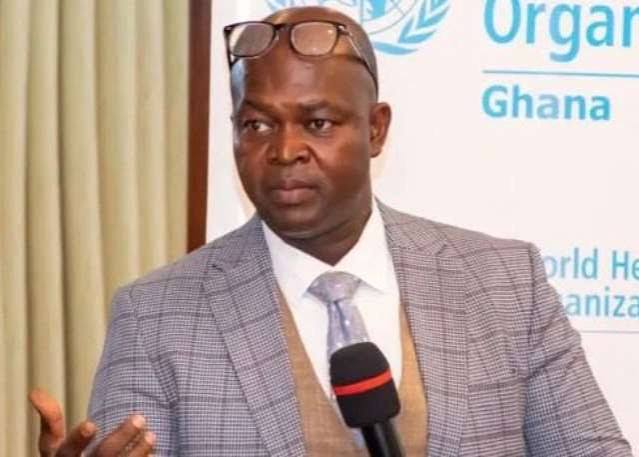
Dr Akoriyea clarified that the four confirmed cases were identified through polymerase chain reaction (PCR) testing at the Dakar laboratory, with the affected individuals originating from Sissala West, Wa West and Nadowli-Kaleo.
“We have to send samples to Dakar, Senegal, and wait for processing before a case is officially confirmed. We have sent about 170 samples from suspected cases. Once collected, samples are tested locally at Noguchi or the Public Health Reference Lab, and irrespective of the local results, sent to Dakar.”
Dr Samuel Kaba Akoriyea
He also explained that Ghana sends suspected yellow fever samples to Dakar because the laboratory’s findings carry international recognition, a process that can take between one and three weeks. The samples undergo transportation, processing and further testing before the results are certified and returned to the country.
Nevertheless, Dr Akoriyea indicated that Ghana is working towards reducing the delays associated with external laboratory confirmation. He identified the Public Health Reference Laboratory as having undergone an evaluation by the World Health Organisation (WHO), with the Service awaiting written confirmation that its results will receive international recognition.
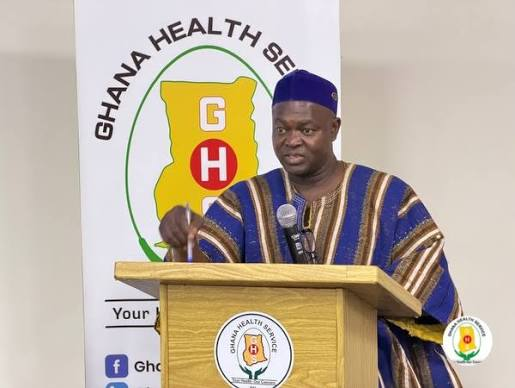
The Director General further cautioned against prematurely classifying deaths as yellow fever fatalities based solely on preliminary local laboratory results. He explained that some samples initially testing positive in Ghana returned negative results after examination in Dakar, making it necessary to establish the actual causes of death.
“I am not okay with that,” he remarked, emphasising his responsibility to pursue answers where suspected cases remain unconfirmed. He also disclosed that investigations are ongoing into deaths in communities where yellow fever had initially been suspected.
In addressing public communication, Dr Akoriyea urged health workers to exercise caution when discussing suspected diseases, warning that unverified claims can trigger public anxiety and become difficult to correct after laboratory results return negative.
Subsequently, he underscored the importance of accurate diagnosis, credible laboratory confirmation and thorough investigations in managing public health threats. The Ghana Health Service, he indicated, will continue examining the circumstances surrounding the suspected cases to establish the causes of the reported deaths.
READ ALSO: Polish Actor Paweł Tucholski Dies at Age 57