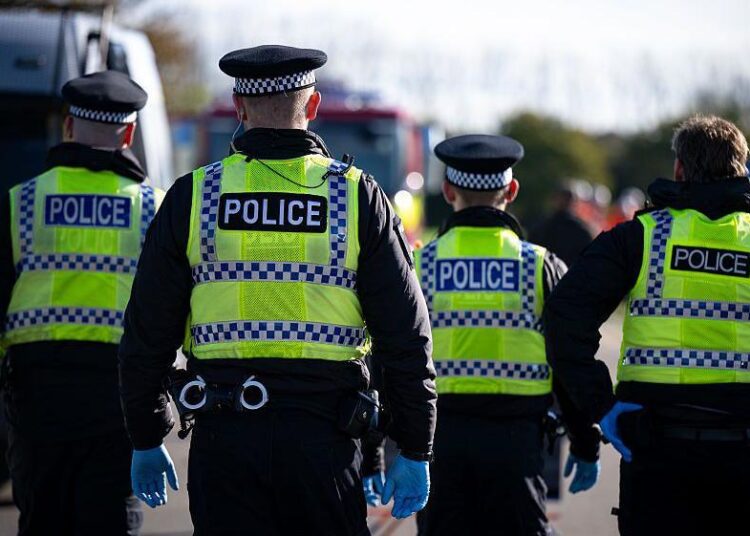
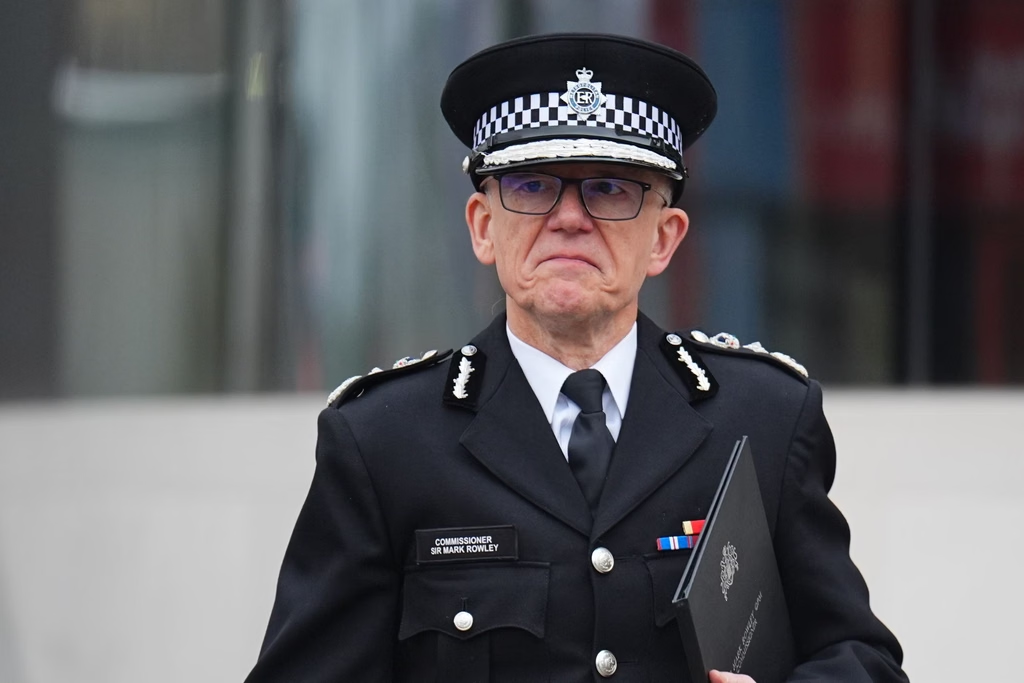
The Head of the Metropolitan Police, Sir Mark Rowley, has warned that policing in England and Wales is “heading for failure” without urgent structural reforms, calling for a major overhaul of the country’s policing system to address increasingly sophisticated criminal activities.
Sir Mark Rowley is expected to outline proposals for replacing the existing 43-force structure with between eight and 10 regional police forces, supported by hundreds of local policing commands and a new National Police Service tasked with tackling the most serious and complex crimes.
“I believe this is a choice between the third greatest revolution in British policing or the inevitable decline and fewer bobbies on the beat. The moments that define policing are the moments when it has the courage to change.”
Sir Mark Rowley
The proposed restructuring would represent the biggest transformation of policing in England and Wales since the 1960s, as concerns grow over the ability of existing police structures to respond effectively to modern criminal threats.
In his upcoming speech, the head of the Metropolitan Police will argue that organised crime groups, fraud networks, cybercriminals and perpetrators of online child abuse increasingly operate across regional and international borders, while police forces remain organised around local administrative boundaries.
He will warn that the current arrangements are struggling to keep pace with these developments, arguing: “We have 43 overstretched forces trying to do too much, with too little.”
Rowley Calls for Three-Tier Policing Structure
Under the proposed reforms, policing in England and Wales would operate through three interconnected levels, comprising local policing commands, regional forces and a National Police Service.
Local policing teams would concentrate on neighbourhood concerns and community safety, while regional forces would pool specialist capabilities and resources to tackle crimes extending across local boundaries.
The proposed National Police Service would assume responsibility for the most serious and complex criminal investigations, including threats requiring national coordination and specialist expertise.
Sir Mark Rowley believes consolidating the existing 43 forces would reduce administrative duplication, improve operational coordination and release thousands of roles for redeployment towards frontline policing.
His proposals highlight concerns that the current policing structure has become increasingly disconnected from the nature of modern criminal activity, particularly as offenders exploit digital technologies and cross-border networks to coordinate operations.
The Metropolitan Police Chief is expected to argue that a more integrated system would enable law enforcement agencies to share resources, strengthen specialist capabilities and respond more effectively to emerging security threats.
Police Merger Plans Face Opposition
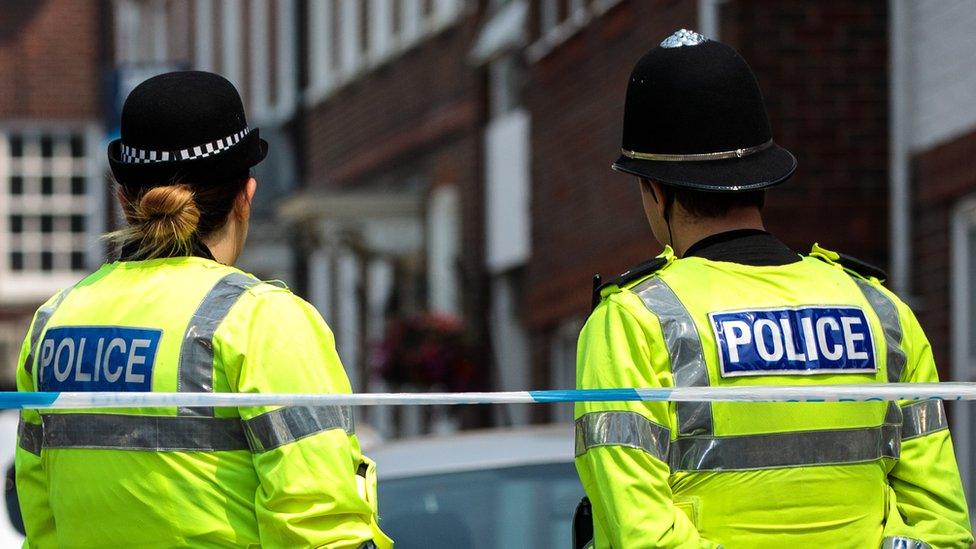
The proposed restructuring follows a consultation launched by Home Secretary Shabana Mahmood, which included plans to establish a National Police Service and explore merging the existing 43 forces into a smaller number of larger regional organisations.
However, the proposals have attracted criticism from some rural police and crime commissioners, who have questioned whether larger forces would adequately represent local policing priorities.
Some commissioners have described the proposals as “political manoeuvring” by larger forces to “load the dice in their favour,” raising concerns about the influence of regional police organisations over the restructuring process.
The Association of Police and Crime Commissioners (APCC) has also questioned whether reducing the number of forces is necessary to achieve the wider objectives of policing reform.
“The case for modernisation and a National Police Service is clear. The case for reducing 43 forces to nine regional ‘mega-forces’ is not.”
Association of Police and Crime Commissioners
The Home Office, however, has defended the proposed changes, arguing that the existing arrangements no longer reflect the demands facing modern law enforcement.
“Our current model of policing has not changed since the 1960s and is no longer fit for purpose,” a Home Office spokesperson stated.
Underinvestment Raises Concerns Over Police Performance
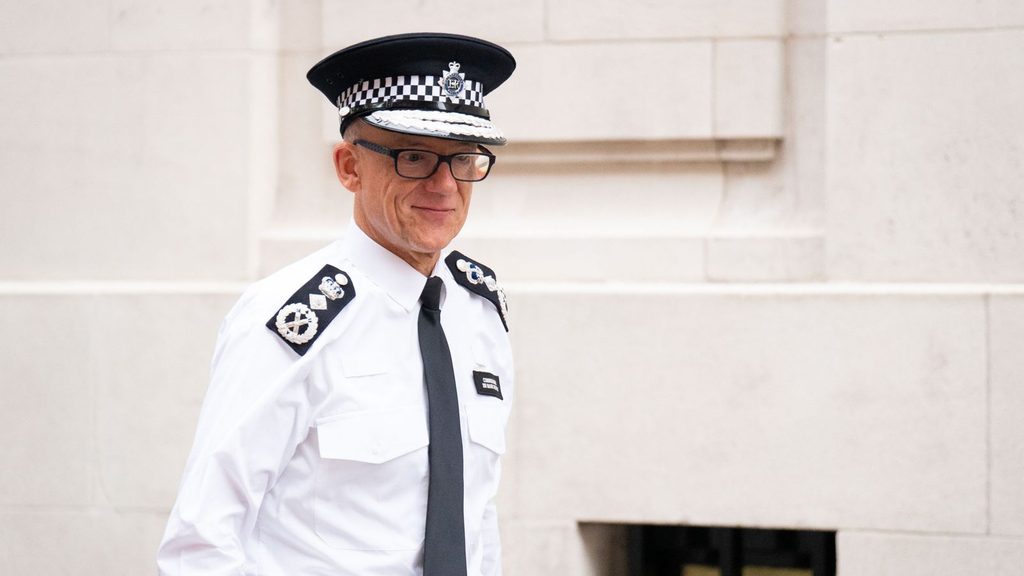
Alongside his calls for structural reform, Sir Mark Rowley has highlighted the financial pressures affecting police forces, arguing that prolonged underinvestment has weakened their operational capacity and contributed to declining performance.
He has pointed to a reduction in policing expenditure from approximately 0.9% of gross domestic product (GDP) to 0.7% since 2010, arguing that years of constrained funding have left forces increasingly dependent on ageing technology.
The Metropolitan Police Chief has also raised concerns about the growing demands placed on officers outside traditional law enforcement responsibilities, particularly mental health and social care issues.
According to Sir Mark Rowley, these competing demands increasingly divert officers from neighbourhood policing, limiting their availability to address local crime and maintain visible community presence.
He has further highlighted declining police performance, noting that positive outcomes nationally have fallen to less than half the level recorded 12 years ago, while public confidence in policing has dropped by 9%.
READ ALSO: GRIDCo Hosts Nigerian Electricity Regulators