Ghana’s electricity transmission system has become a reference point for Nigerian electricity regulators seeking to understand how neighbouring countries manage grid operations, wholesale electricity trading and cross-border power exchanges.
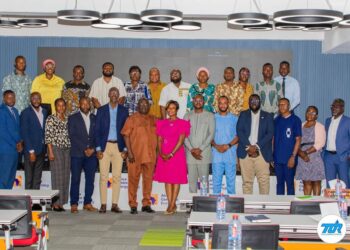
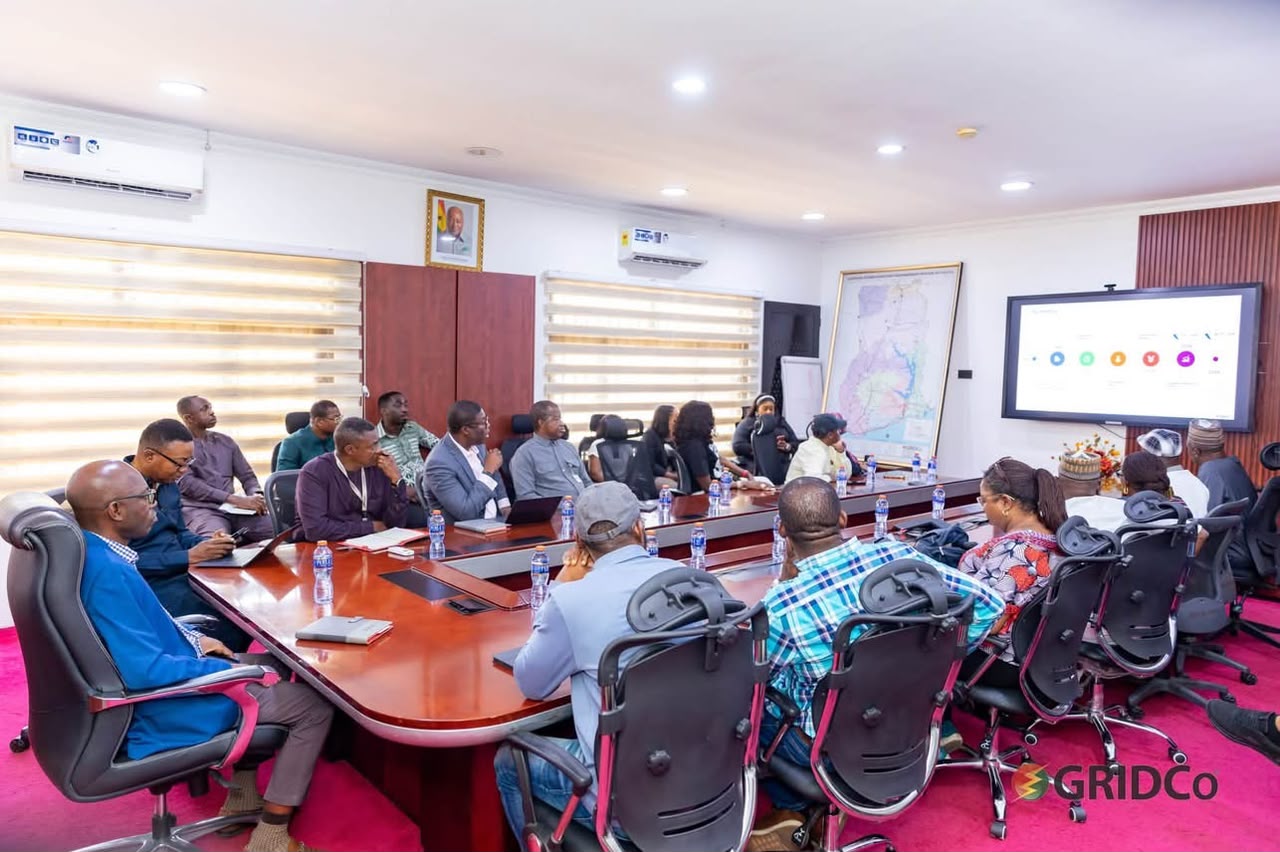
A delegation from the Forum of Nigerian Electricity Regulators (FONER), comprising chief executives and managing directors of electricity regulatory institutions across Nigerian states, has visited the Ghana Grid Company Limited (GRIDCo) on a study tour focused on Ghana’s electricity sector.
Led by FONER Chairman Dr Musiliu Oseni and Vice Chairman Engr Chijioke Onokwo, the delegation met GRIDCo’s Chief Executive, Ing. Frank A. Otchere, deputy chief executives and members of the company’s management team.
The visit comes at a significant time for Nigeria, where electricity sector reforms have expanded the regulatory responsibilities of state governments.
The experience of Ghana’s transmission and system operations framework could offer useful lessons as Nigeria works to coordinate its increasingly decentralised electricity market.
Understanding Ghana’s Grid Operations
During the engagement, GRIDCo’s Director of Corporate Strategy, Samuel Acquah, presented an overview of Ghana’s electricity value chain and the company’s role in transmission and system operations.
The delegation also visited GRIDCo’s System Control Centre, where Manager Ing. Steven Debrah explained how the company manages electricity supply and demand, maintains system frequency and coordinates cross-border power exchanges.
These functions are central to maintaining grid stability. Electricity transmission is not simply about moving power from generating stations to consumers; it requires continuous monitoring and coordination to ensure that supply remains balanced with demand.
For regulators, understanding these technical responsibilities is important because decisions on tariffs, market rules, investment and electricity trading ultimately affect the operation of the wider power system.
GRIDCo’s role is particularly relevant because Ghana’s transmission network is connected to neighbouring electricity systems, making coordination essential to regional power exchanges.
Wholesale Market Development And Regional Integration
The discussions also covered GRIDCo’s involvement in the Ghana Wholesale Electricity Market (GWEM), as well as its technical, consultancy and capacity-building services to utilities across the sub-region.
The wholesale market initiative is important to Ghana’s efforts to improve the structure and transparency of electricity transactions.

A functioning wholesale market requires clear trading arrangements, reliable settlement systems and defined responsibilities among market participants.
It also has implications for regional electricity trade. Although physical interconnections provide the infrastructure for countries to exchange power, differences in market rules, regulatory frameworks and commercial arrangements can limit the benefits of those connections.
Ghana’s experience could therefore provide useful insights for Nigerian regulators as they consider how to strengthen coordination between state-level electricity markets and the national system.
The announcement described the broader purpose of the engagement as follows:
“The visit provided an opportunity for both institutions to exchange knowledge and experiences, highlighting the value of regional cooperation in strengthening West Africa’s electricity sector.”
That objective reflects a wider challenge across West Africa: improving electricity access and reliability requires cooperation not only between governments but also among the institutions responsible for regulating, transmitting and trading electricity.
From Study Tour To Institutional Cooperation
Nigeria’s electricity reforms have created a more complex regulatory landscape, with state-level institutions taking on responsibilities previously concentrated at the national level. This makes coordination, regulatory capacity and technical knowledge increasingly important.
The GRIDCo engagement offers FONER an opportunity to examine how Ghana manages the relationship between transmission operations, wholesale electricity arrangements and regional power exchanges.

For Ghana, the visit also reinforces GRIDCo’s position as an important institutional participant in regional electricity cooperation.
However, the value of the engagement will ultimately depend on whether the knowledge exchanged translates into practical collaboration, stronger regulatory capacity and improved electricity market coordination.
As West African countries pursue greater regional integration, the ability to manage interconnected power systems and establish compatible market arrangements will be just as important as expanding generation and transmission infrastructure.
READ ALSO: Mahama Urges America to Confront Gun Violence After Ghanaian Deaths