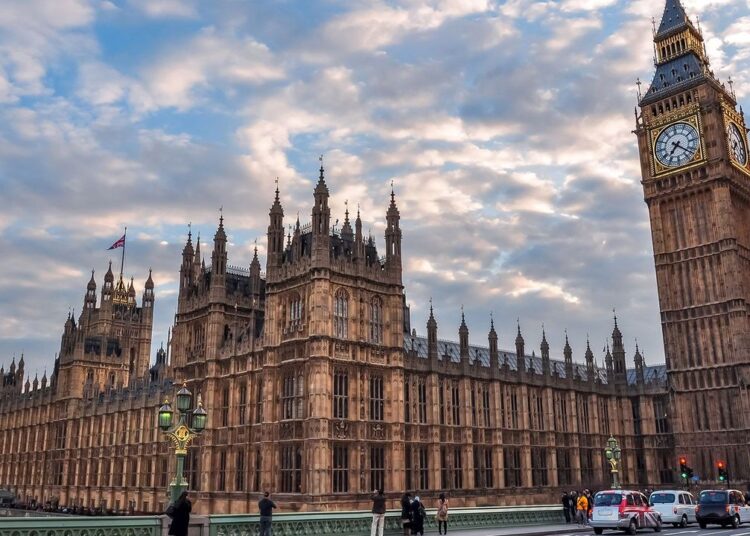
The Speaker of the UK House of Commons, Sir Lindsay Hoyle, has expressed frustration over delays in plans to restore the Palace of Westminster, warning that prolonged approval processes are preventing essential repairs to the historic parliamentary building.
In an interview, Sir Lindsay Hoyle criticised the pace of the Restoration and Renewal programme, stating, “we spend more time doing surveys. Instead of doing surveys, why don’t we start repairing the building?”
His concerns follow a warning from Parliament’s Public Accounts Committee that the restoration programme has reached a critical stage, with the overall cost potentially rising to £40 billion and the project taking up to 61 years to complete.
The committee estimates that every additional year of delay adds £420 million to the lifetime cost of the restoration, while continued deterioration increases the risk of a major incident, including a potentially devastating fire.
Hoyle Criticises Legislative Barriers to Parliament Repairs
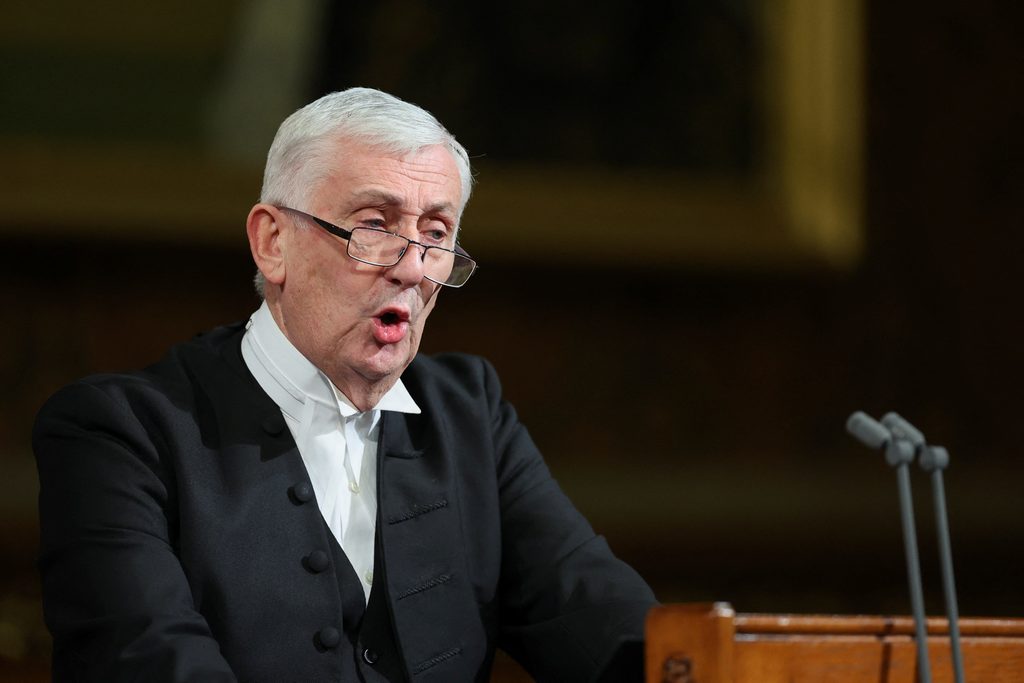
Sir Lindsay Hoyle directed criticism at the legislation governing the restoration programme, which requires Parliament to approve the overall scope and funding of the project before major renovation works can begin.
He stated that the existing approval arrangements are restricting the ability to address urgent structural and safety concerns, despite the growing need for intervention.
“It’s very frustrating when the Act of Parliament prevents you from carrying out the major repairs that you need to. Talk about putting ourselves in handcuffs.”
Sir Lindsay Hoyle
The Speaker maintained that immediate attention should be directed towards repairing deteriorating sections of the building rather than prolonging preliminary assessments.
Sir Lindsay Hoyle also questioned the continued absence of a comprehensive fire-suppressing mist system across the parliamentary estate, particularly within its most historic sections.
He indicated that although he had advocated for the installation of the system for several years, “the major part and the most historic parts of the building haven’t got it, and that’s what we need.”
Asked about the possibility of Parliament holding a vote on the restoration programme before the end of 2026, Sir Lindsay Hoyle indicated that the timing would depend on the Government’s parliamentary business managers.
“Who knows when it’s going to come forward? Let’s see what the House decides,” he added.
Westminster Faces Catastrophic Risks
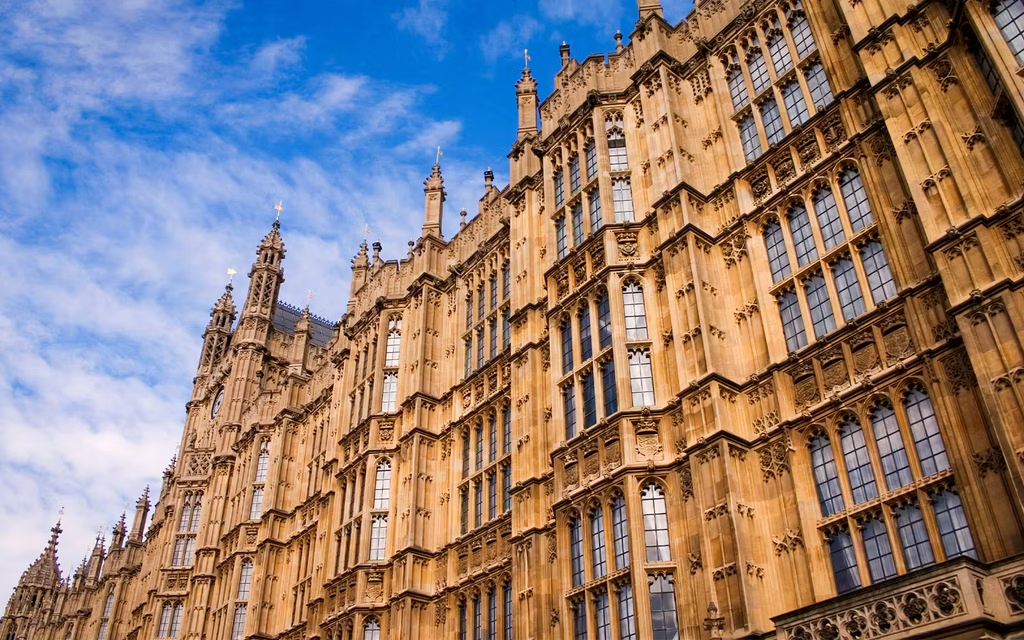
The Speaker’s concerns come amid mounting warnings about the physical condition of the Palace of Westminster, parts of which date back more than 900 years.
The parliamentary estate faces a range of infrastructure problems, including crumbling masonry, ageing electrical systems, frequent water leaks and significant levels of asbestos.
Much of its extensive network of pipes and wiring dates back to the 1940s, with some infrastructure originating from the Victorian era.
A parliamentary report published nearly a decade ago had already warned of an “impending crisis,” highlighting the risks associated with delaying essential maintenance and modernisation.
The Public Accounts Committee has since warned that continued inaction could result in a catastrophic failure, potentially damaging Britain’s national heritage, parliamentary operations and public safety.
Committee Chairman Geoffrey Clifton-Brown MP cautioned that the building could face a fire similar to the 2019 Notre-Dame Cathedral disaster in Paris.
“Consider the impact of global rolling news footage of Notre Dame-like flames licking out of the building’s roof, resulting in the destruction of our heritage, or worse, injuries or loss of life.”
Geoffrey Clifton-Brown
He added that such outcomes were “not notional possibilities, but real and rising risks.”
The committee also highlighted the financial consequences of continued delays, estimating that weekly maintenance expenditure on the parliamentary estate could increase from approximately £1.5 million to £2 million in the coming years.
Parliament Considers Options as Renovation Decision Nears
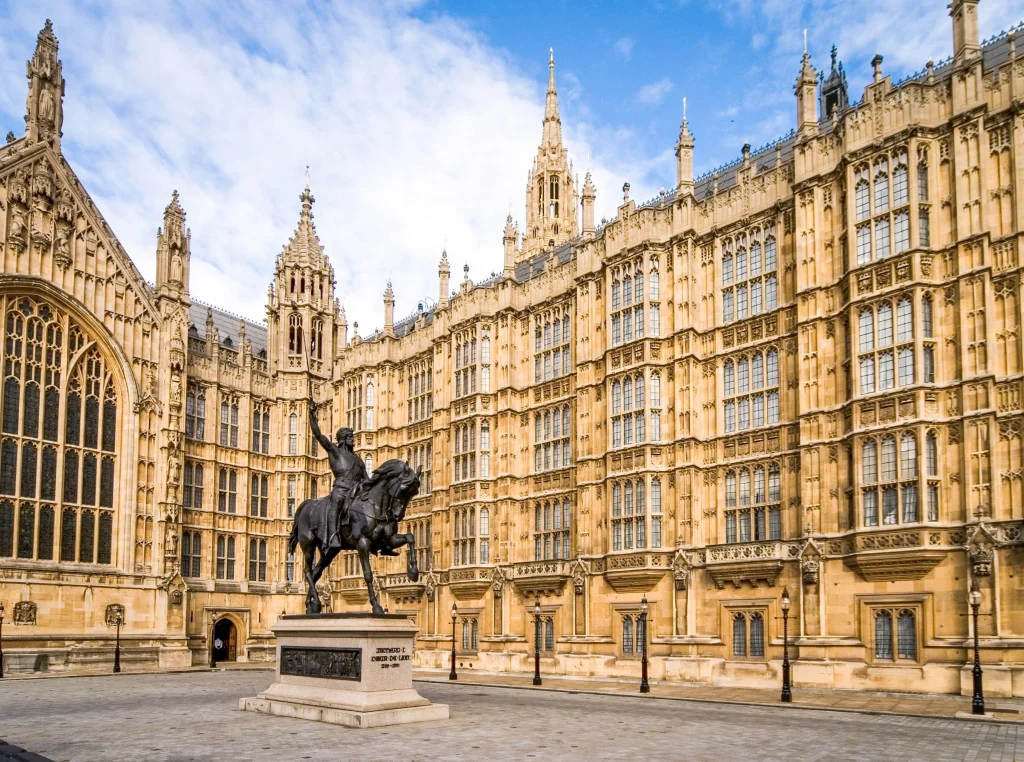
Meanwhile, Parliament has struggled for years to reach a consensus on how to undertake the extensive restoration while balancing the building’s historical significance, operational requirements and financial implications.
In 2018, parliamentarians voted to move out of the central London estate to allow comprehensive renovation works to proceed. However, disagreements over the scale, duration and cost of the proposed relocation have delayed implementation.
The current Restoration and Renewal programme includes several options, with two major proposals attracting attention.
One involves a full relocation of both the House of Commons and House of Lords for up to 24 years from 2032, with projected costs reaching £15.6 billion.
Another proposal involves relocating only the House of Lords while allowing the House of Commons to remain operational through an extended maintenance programme.
Under the proposals, Parliament would first need to approve up to £3 billion in initial restoration works and narrow down the available options before reaching a final decision by 2030.
READ ALSO: GSE Ends Week on Positive Note as Market Indices Recover