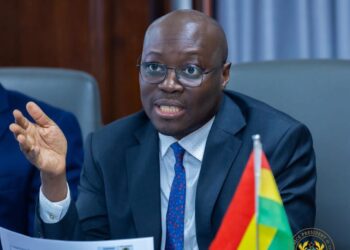
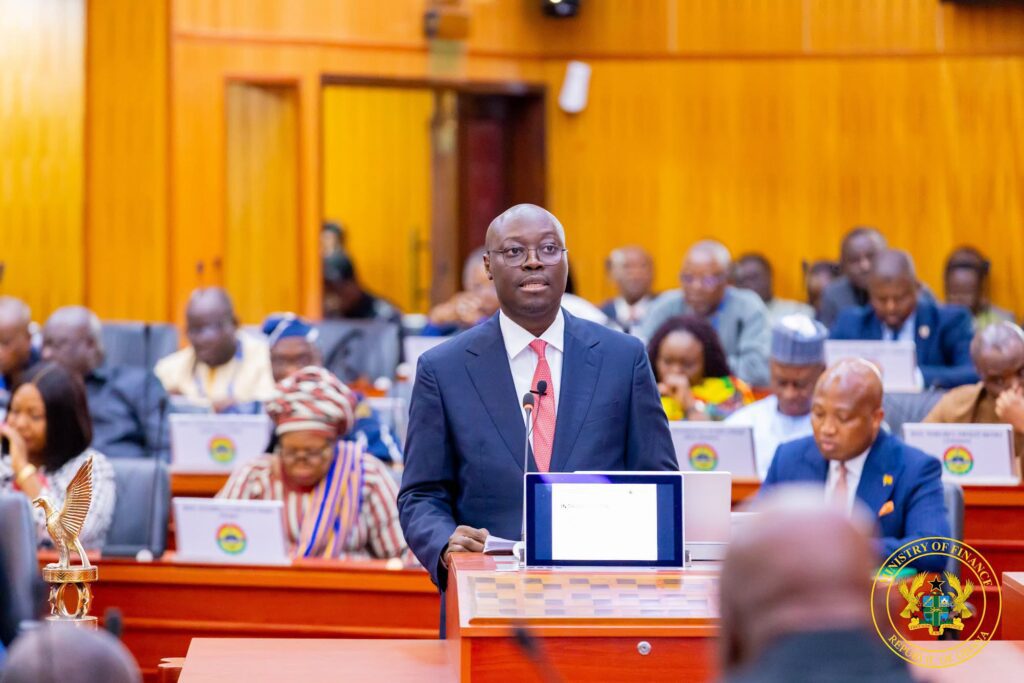
Finance Minister Dr Cassiel Ato Forson has told Parliament that the government holds the full funding for the Accra-Kumasi Expressway, about $3 billion, in a project account at the Bank of Ghana. He gave the update while reading the 2027 Budget on Thursday, November 12, 2026.
Dr Forson stated that the money comes from petroleum revenues and mineral royalties that the House agreed last year to dedicate to the project, so the government needs no borrowing. Engineers have also cut the construction estimate for the 198.7 kilometre six-lane road to $2.98 billion, more than $1 billion below the original figure of $4 billion.
“Promise made, promise fulfilled, without borrowing.”
Finance Minister Dr Cassiel Ato Forson
Project Account Holds About $3 Billion
As of November 11, the project account held $2.2 billion and 9 billion cedis, Dr Forson disclosed, which together equal about $3 billion. He assured the House that the central bank keeps the money in safe custody and that it is ready before construction begins. The Vaultz News earlier reported Dr Forson’s view that full funding would be ready by year-end.
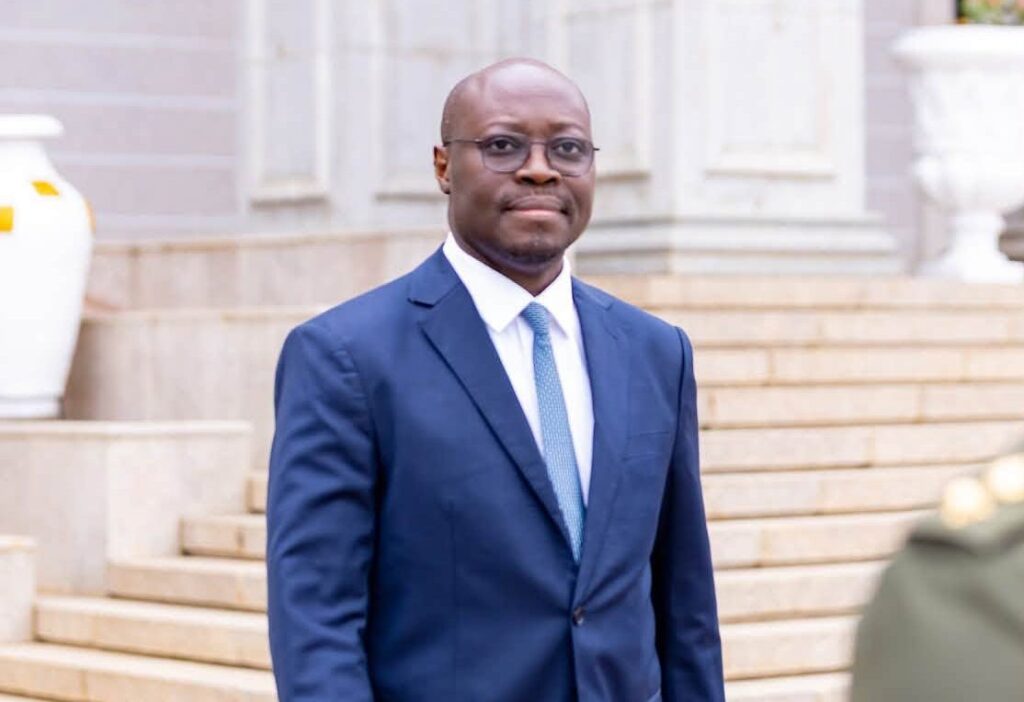
He traced the funding to a choice the government made last year. With the approval of the House, it set aside the annual budget funding amount from petroleum revenues, together with mineral royalties, solely for the expressway. Prudent economic management, disciplined savings and efficiency gains built up the resources, he explained.
“We were told that we cannot fund it, we have funded the project.”
Finance Minister Dr Cassiel Ato Forson
Engineers Cut the Cost Estimate
Careful preparation matched the savings, Dr Forson noted. Detailed feasibility, engineering design, costing, and environmental and social studies produced the new estimate of $2.98 billion, which includes contingencies, supervision and compensation of $200 million.
The figure sits more than $1 billion below the initial estimate of $4 billion, and Dr Forson told the House that the government has saved over $1 billion. He argued that the country owes taxpayers the same discipline on every major infrastructure project. The project’s chief executive has said the road will be delivered in 24 months.
Tenders and Contract Awards Move Ahead
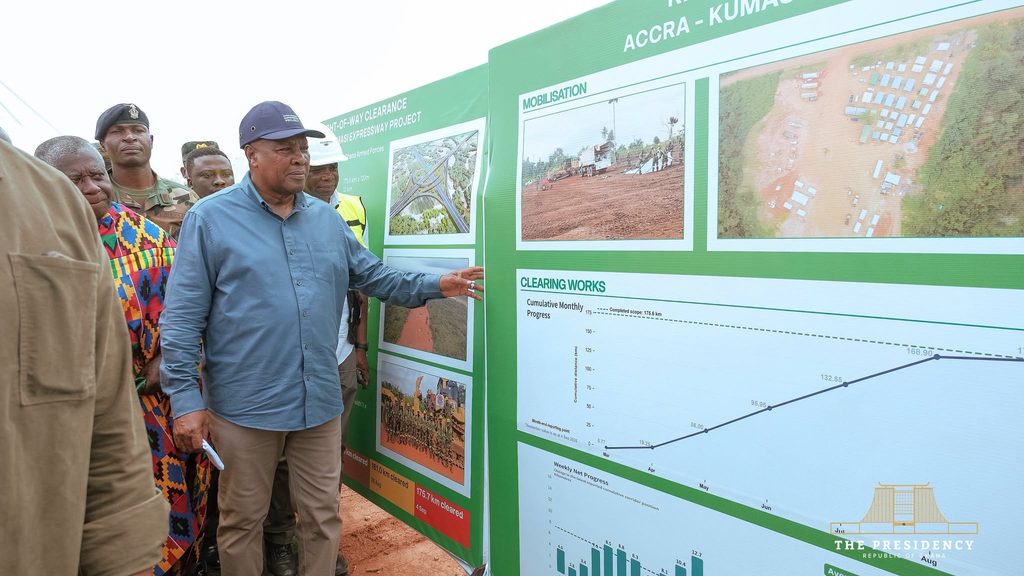
The government has issued tenders through international competitive tendering, Dr Forson disclosed, and it expects the process to finish by the end of this year. Competition will set the final contract price.
Every contract award will face commitment controls, approval and a value for money assessment, in full compliance with procurement and public financial management rules, he told the House.
The tender follows the handover of the right of way, after which procurement was set to advance. Officials had also said the contract would be awarded before December, with construction starting at Christmas.
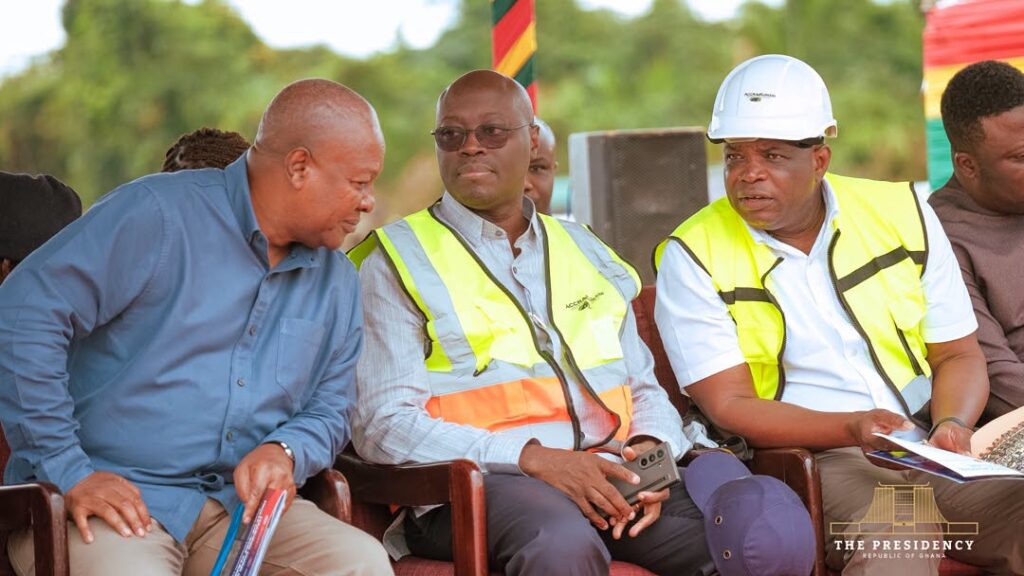
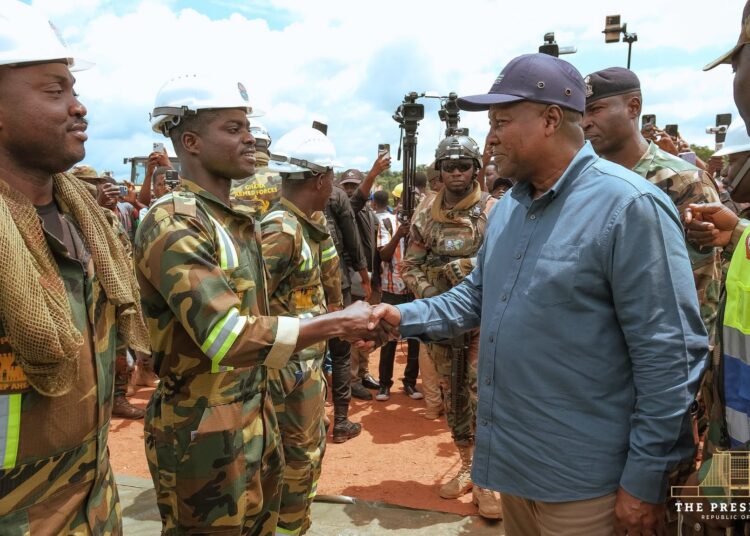
Dr Forson thanked the Ghana Armed Forces for the dedication and professionalism they brought to the project preparation works. The Armed Forces completed the clearing ahead of schedule, and President John Dramani Mahama has named the 48 Engineer Regiment as a major subcontractor on the road.
Savings Earmarked for the Orbital Expressway
Dr Forson explained that the estimated savings of about $1 billion will cover the cost of building the Accra Orbital Expressway. Feasibility, engineering design, costing, and environmental and social studies for the orbital road are under way. The Armed Forces will secure its right of way as well.
In his words, careful preparation on one major project creates the opportunity to deliver another. The government therefore treats the savings as money that stays available for the next national priority.
Dr Forson also announced a further step. He will propose to the House that the government apply the same financing model to the Western Corridor Railway project. That means dedicating a stream of resource revenue to the line, held in a project account and spent without borrowing.
The railway has drawn the President’s attention before. In Moscow, President Mahama named the western corridor to the port of Takoradi as the first priority of the national rail plan. The expressway’s design also leaves space for a future railway line, according to the President.
Parliament has the next move. The House must approve the railway proposal before the government can apply the model, and tender results on the expressway will show whether final prices stay close to the engineers’ estimate.
READ ALSO: The New Economy: Ghana Targets Jobs Boom and 8% GDP Growth