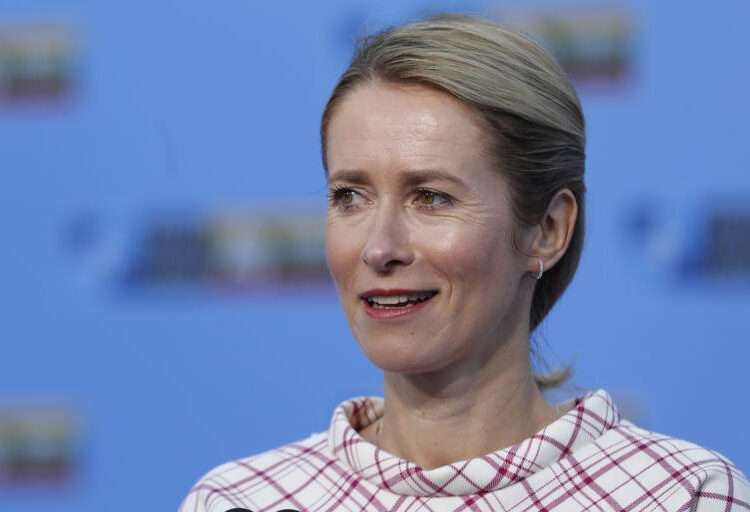
European Union Foreign Policy Chief, Kaja Kallas has welcomed Washington’s acceptance that European countries must be involved in negotiations to end Russia’s war against Ukraine, while insisting that the bloc must have a meaningful influence over the outcome.
Speaking as EU leaders gathered in Dublin, Kallas said the United States had finally acknowledged a position she had advocated for more than a year: that any agreement between Moscow and Kyiv would require European participation.
“I hope that we are just not at the table, but we are actually also really influencing the outcome of these negotiations.”
Kaja Kallas
Her comments followed an announcement by US Envoy Jared Kushner that Russia and Ukraine had agreed to expand the next round of peace negotiations to include European countries.
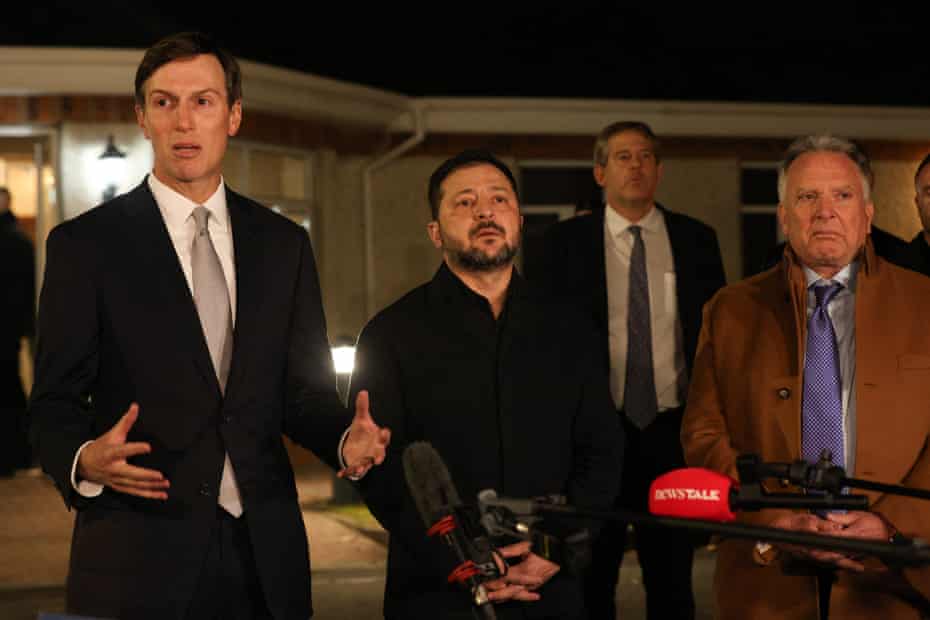
Kushner made the announcement after meeting Ukrainian President Volodymyr Zelenskyy in Dublin on Thursday. “This will allow us to address the broader postwar European security arrangements alongside the territorial issues between Ukraine and Russia,” he wrote on X.
The development represents a significant step in the EU’s efforts to secure a place in discussions over a settlement that could directly affect the continent’s long-term security.
However, European leaders are still working to determine who should represent the bloc in the negotiations and what mandate that individual should receive.
Kallas Calls For Ceasefire Before Peace Negotiations
Kallas also urged European leaders to maintain a clear sequence for negotiations. “The most important is that we keep to our agreement that first the ceasefire, then peace agreement and then any kind of other talks,” she said.
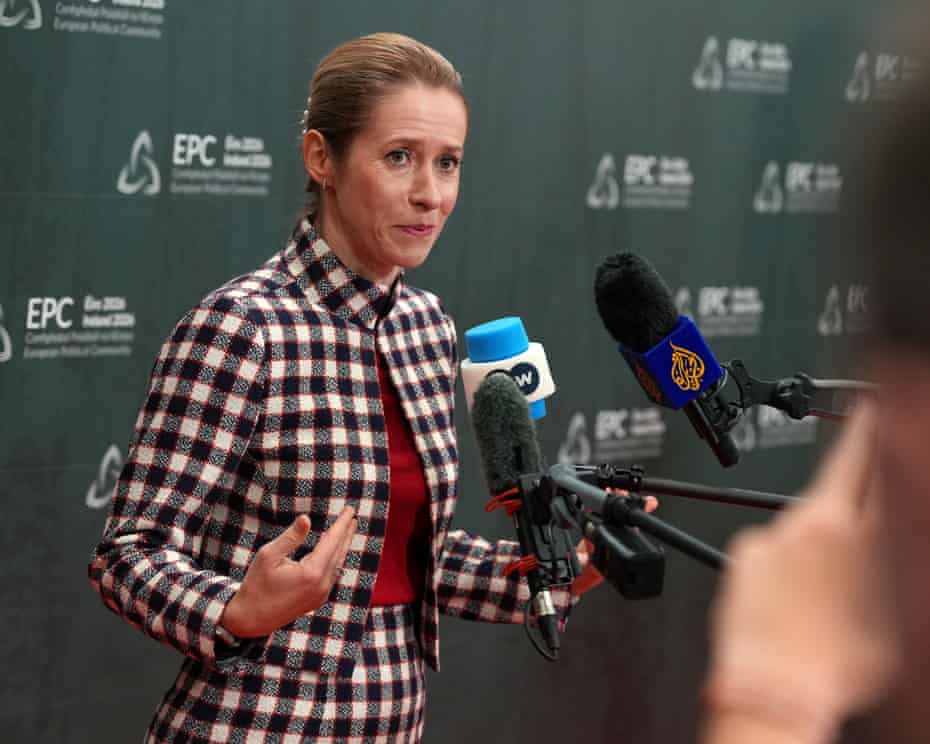
She warned that accepting Russia’s proposed approach to negotiations could divert attention from the absence of a ceasefire and allow Moscow to shift discussions towards its broader demands.
According to Kallas, European countries risk falling into what she described as traps designed to redirect attention away from Russia’s continued military actions in Ukraine.
“If we walk into that trap that we start to discuss … the European security architecture, then I don’t think we are in a better place. We are actually in worse place.”
Kaja Kallas
She argued that the negotiations should remain focused on the conflict between Russia and Ukraine, maintaining that Moscow was the aggressor and Kyiv the victim.
“Let’s focus on what it is at hand. We have one aggressor and one victim. The aggressor does not have security concerns, as nobody has ever attacked them. They have attacked others. I mean, keep the focus, people.”
Kaja Kallas
The EU Foreign Policy Chief also said that Europe should not abandon its negotiating position while Russia continues to present what she described as maximum demands. “When Russia is still presenting their maximum demands, then we should also stick to the maximum demands and start to negotiate from there,” she said.
Kallas Seeks Place On EU Negotiating Team
Kallas has made clear that she wants to participate in the European negotiating team, arguing that her position as the EU’s foreign Policy Chief gives her an institutional responsibility to represent the bloc on foreign and security matters.
She asserted that her participation would not be based on personal interests but on a mandate agreed by the EU’s 27 member states.
“I know that the Russians don’t want me, but do we have a say on who is representing Russia? No, we don’t.”
Kaja Kallas
Kallas also questioned why Russia should have a say in determining who represents the European Union. She argued that Moscow would naturally prefer a weaker negotiating counterpart capable of being pressured into accepting its demands.
“They don’t want [anyone] strong on the other side because they want to push through their maximum demands, like they have always done.”
Kaja Kallas
Kallas further accused Russia of using threats, ultimatums and military force before waiting for divisions among Western countries to produce concessions.
Her comments came as EU leaders faced questions about the delay in selecting a common representative.
Kushner had previously suggested, somewhat pointedly, that Europe’s inability to identify a single representative could complicate its participation in the negotiations. “If Europe could identify one person to speak on their behalf, that would be a bigger achievement than getting the Russians to include them in the negotiations,” he said on Wednesday.
Kallas responded by emphasising that the European Union operates through established institutions and cannot simply appoint an individual without an appropriate institutional role.
“Well, we have institutions in place, so we can’t just send any person that has no institutional role like the Americans are sending. Clearly, we should not copy the same patterns.”
Kaja Kallas
She maintained that whoever represents the EU must operate under a mandate agreed by all 27 member states.
With European participation now expected in the next round of discussions, EU governments face the immediate task of agreeing on a representative, establishing a common negotiating mandate and defining the conditions they would require for a lasting settlement.
READ ALSO: ICE Reports Record Deportations And Arrests In 2026