
The Ghana Gold Board (GoldBod) has announced plans to introduce a 3 percent purchase discount on artisanal and small-scale mining (ASM) gold starting in 2027, a strategic pricing intervention designed to make domestic bullion procurement significantly more cost-effective.
Through this policy adjustment, GoldBod aims to lower the baseline cost of generating foreign exchange and accumulating gold reserves from 5 percent in 2026 to approximately 2 percent in 2027.
“The proposed discount is intended to make small-scale gold procurement more cost-effective, allowing Government to retain a greater proportion of the foreign exchange value generated from gold exports. Its implementation, following consultations with industry players, is expected to reinforce the financial sustainability of the gold procurement and reserve accumulation framework.”
Ghana Gold Board (GoldBod)
Formally presented before Parliament by Finance Minister Dr. Cassiel Ato Forson during the delivery of the 2027 Budget Statement and Economic Policy on November 12, 2026, the initiative marks a major shift in Ghana’s state-backed bullion aggregation model.

Rather than acquiring artisanal output strictly at unadjusted spot valuations a practice that previously absorbed substantial operational overhead the revised framework will allow the state to retain a larger share of export proceeds.
Implementation will proceed following formal engagements with the National Association of Small-Scale Miners and the Licensed Gold Buyers Association to ensure seamless market adoption.
Addressing Operational Overheads and Fiscal Risks
A deeper examination of Ghana’s domestic gold purchasing architecture underscores why this pricing recalibration has become indispensable.
Under the current reserve-building mechanism, acquiring bullion locally entails layered operational expenses, including service fees, assaying and testing charges, off-taking costs, trading margins, and foreign exchange pricing differentials.
When the state purchases gold at prevailing spot rates without a margin buffer, these intermediary charges erode the net value of the international reserves accumulated by the central bank.

Furthermore, multilateral assessments throughout 2026 most notably reviews by the International Monetary Fund flagged the fiscal risks associated with high procurement overheads, noting that program costs stood at 11.7 percent in the first quarter of 2026 against a 5 percent benchmark.
By instituting a structured 3 percent discount on small-scale purchases, authorities directly offset assay, logistics, and trading friction, ensuring that domestic gold mobilization does not create hidden quasi-fiscal deficits while defending the national currency.
Building on Record Export Momentum
The proposed pricing reform arrives on the heels of historic output and export milestones within Ghana’s extractive sector.
According to official disclosures in the 2027 Budget Statement, the country exported 88 tonnes of small-scale gold valued at approximately US$12 billion, outpacing the large-scale mining subsector, which recorded 80.64 tonnes worth US$10.23 billion.
Together, these inflows have fortified Ghana’s gross international reserves, expanded foreign currency liquidity, and anchored the stability of the cedi.
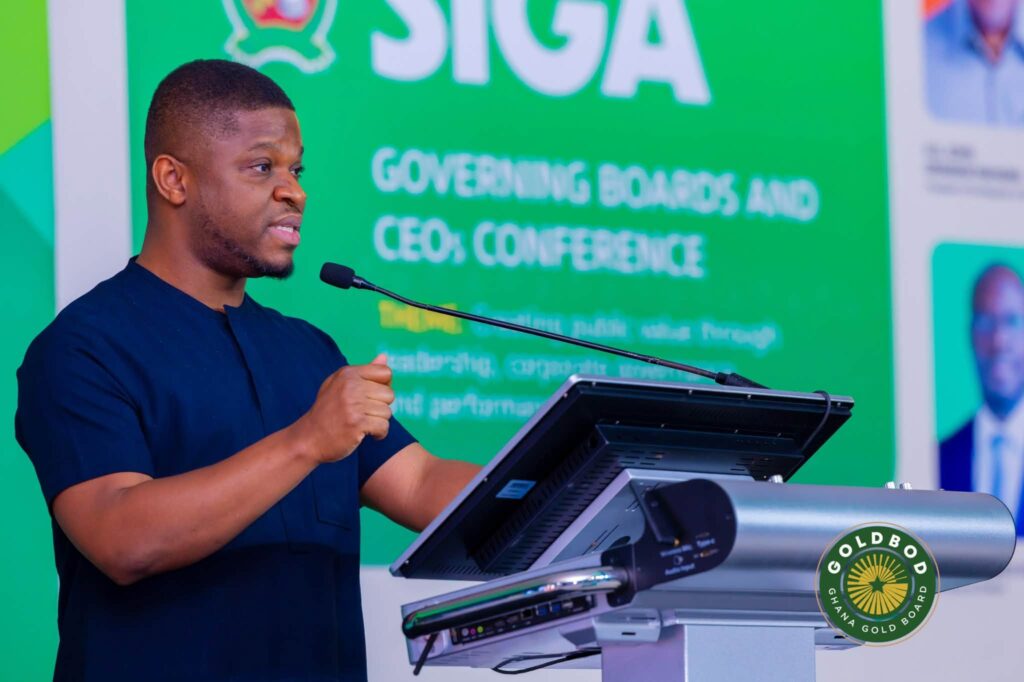
Dr. Forson noted that operational discipline under GoldBod has already yielded dramatic efficiency gains, driving the baseline cost of foreign exchange generation down from 16 percent in 2025 to 5 percent in 2026.
As the Minister emphasized to lawmakers, “Together, Mr Speaker, we can build stronger reserves at a lower cost and ensure that Ghana’s gold delivers lasting benefit for our people”.
Slashing that baseline expenditure further to 2 percent in 2027 represents the logical next phase in maximizing sovereign returns from natural resource wealth.
Balancing Price Competitiveness and Stakeholder Consensus
Introducing a purchase discount in the artisanal sector requires delicate calibration to prevent unintended market distortions.
Earlier in January 2026, GoldBod had defended purchasing at prevailing spot prices, cautioning that steep discounts could incentivize cross-border smuggling and divert bullion away from formal channels.

However, industry sentiment shifted later that month when the Ghana National Association of Small-Scale Miners submitted recommendations proposing a 2 percent discount for licensed buyers alongside licensing reforms to curb hoarding.
By anchoring the 2027 rollout in stakeholder dialogue and pairing the pricing mechanism with broader value-addition goals such as refining at least 70 percent of small-scale gold locally—GoldBod aims to strike an optimal balance.
If executed collaboratively, the 3 percent discount will preserve competitive payouts for compliant miners while cementing GoldBod’s position as a financially self-sustaining pillar of Ghana’s macroeconomic architecture.
READ ALSO: NPA Cuts Petrol, Diesel Floors As LPG Prices Rise