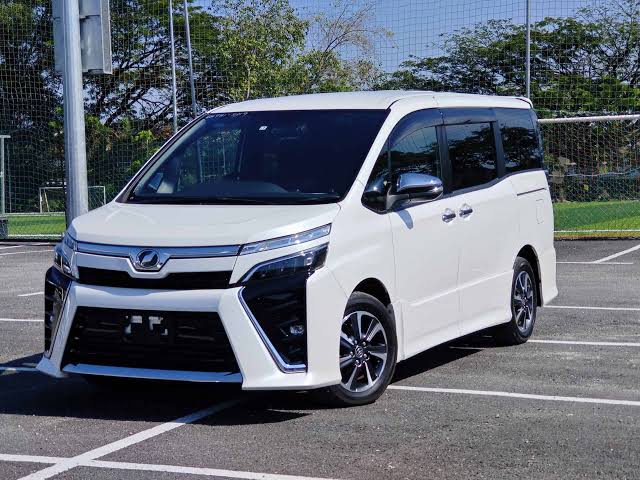
The Director-General of the National Road Safety Authority (NRSA), Abraham Amaliba, has explained that the proposed restrictions on Toyota Voxy vehicles used for commercial inter-city transport remain unimplemented because consultations with the Ministry of Transport and road agencies are still incomplete.
The clarification follows the National Road Safety Authority’s April 8, 2026 announcement that Toyota Voxy vehicles would be considered illegal for commercial transport because of safety risks. Seven months later, the vehicles remain on inter-city routes.
“So, when the report was presented to us, we convened a meeting with the relevant stakeholders, including Customs. During that meeting, Customs indicated that they would take that action. The evidence of this is what happened subsequently, when importers gathered at the Ministry of Transport to appeal to the Minister to intervene and allow them to clear their vehicles. That, to me, is the evidence. If they are now saying they did not make that commitment, fine. However, at the time, I received several calls asking me to speak to Customs to ease the ban, but I made it clear that I was not going to do so.”
Abraham Amaliba, Director-General of the National Road Safety Authority
Mr Amaliba explained that the Authority could not unilaterally determine the scope of the restriction because the phrase “inter-city” require a shared interpretation among the institutions responsible for transport regulation.
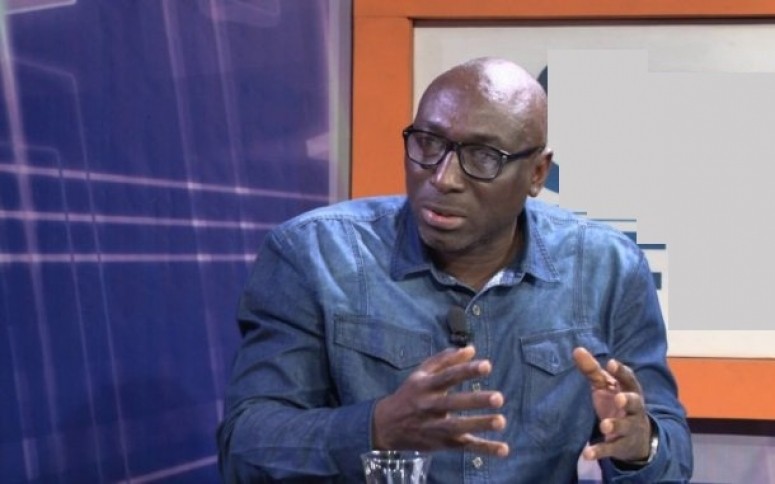
Stakeholders must clarify whether inter-city travel means journeys between regions or movement over a specified distance within a city. The distinction is necessary to establish the measure’s precise reach.
The Ministry of Transport is expected to convene the road sector agencies to settle the outstanding questions, but that meeting had not taken place at the time of the interview.
Mr Amaliba indicated that he has prompted the officer responsible for transport to organise the meeting. The officer indicated he would make arrangements after some officials returned from an engagement, although the Director-General provided no confirmed date.
Asked whether the delay undermined the seriousness of the road safety intervention, Mr Amaliba rejected the suggestion that the Authority has been inactive. He pointed to engagements with transport regulators, security agencies and commercial transport operators as evidence of preparatory work.
Nevertheless, he acknowledged that the outstanding inter-agency meeting is necessary to advance implementation. He expects it to take place within a week after the officials returned, allowing the process to advance.
NRSA Cites Agency Work Before Toyota Voxy Enforcement
Beyond the delay in implementing the proposed Toyota Voxy restrictions, the Director-General of the National Road Safety Authority (NRSA), Abraham Amaliba also outlined consultations undertaken with transport, security and regulatory institutions to prepare for enforcement. He indicated that the Authority engaged agencies and commercial transport operators after receiving the committee’s report, with further coordination still required.

“When the report was delivered to us, we held a stakeholder engagement at Coconut GroveHotel, where we brought Customs, DVLA, NIC, that’s National Insurance Commission and we brought in National Security, Police MTTD, and Standards Authority.”
Abraham Amaliba, Director-General of the National Road Safety Authority
In a subsequent engagement at the Ministry of Transport, the NSRA also met officials and commercial transport operators, including representatives of VIP. The Authority further held discussions with National Security to secure its support for enforcement.
He disputed the suggestion that the Authority allowed the matter to stagnate without action. “It’s not as if we were sleeping,” he cited the meetings held since the report was submitted.
However, the consultations have not produced a final enforcement arrangement. The Ministry of Transport is expected to bring the road sector agencies together to determine the scope of inter-city travel and assign implementation responsibilities.
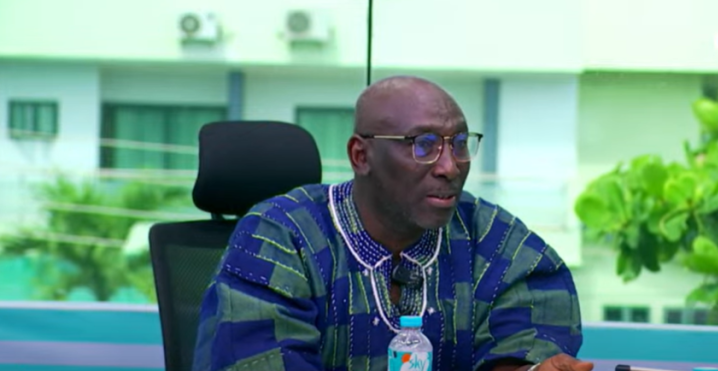
Mr Amaliba clarified that the committee’s recommendations should not be mistaken for an operative directive. The stakeholder process must determine how those proposals will be applied, including the responsibilities of participating institutions.
He also recalled that Customs indicated at an earlier stakeholder meeting that it would begin enforcing restrictions on the importation of right-hand-drive vehicles. He cited calls from importers seeking intervention to clear their vehicles, as well as their appeal to the Transport Ministry, as evidence of the position on the matter.
On the Toyota Voxy issue, he affirmed the National Road Safety Authority’s intention to see the process through, with the outstanding meeting expected to advance coordination among the institutions involved.
READ ALSO:2027 Budget: Analyst Identifies Four Priorities For Ghana’s Economic Transformation