Ghana has stepped up efforts to attract international investment into its productive sectors, with the government presenting its US$10 billion New Economy Programme as a major opportunity for businesses to establish operations, expand production and access markets across Africa.
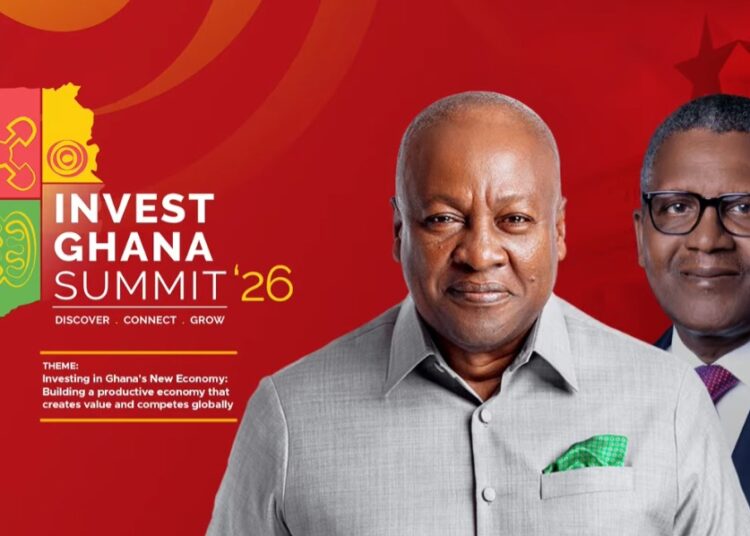
The initiative took centre stage at the maiden Invest Ghana Summit in Accra on Monday, November 16, where Finance Minister Dr Cassiel Ato Baah Forson outlined investment prospects under the government’s economic transformation agenda.
Speaking to international investors, business executives and government officials, Dr Forson called on the private sector to partner with Ghanaian businesses to unlock opportunities in agriculture, energy, manufacturing, critical minerals, tourism and technology.
He emphasised that Ghana’s economic ambitions would depend not only on government expenditure but also on the willingness of businesses to invest, produce locally and compete in international markets.
Government Targets US$10 Billion Investment
Dr Forson explained that the New Economy Programme was built around eight interconnected pillars: macroeconomic stability and affordable finance, commercial agriculture, energy infrastructure, critical minerals value addition, tourism and creative arts, textiles and garments, pharmaceuticals and biomanufacturing, and the technology economy.
Under the programme, government plans to invest US$10 billion between 2027 and 2030, equivalent to approximately US$2.5 billion annually. The 2027 Budget provides GH¢30 billion for the programme in its first year, representing 1.5 per cent of Ghana’s Gross Domestic Product.
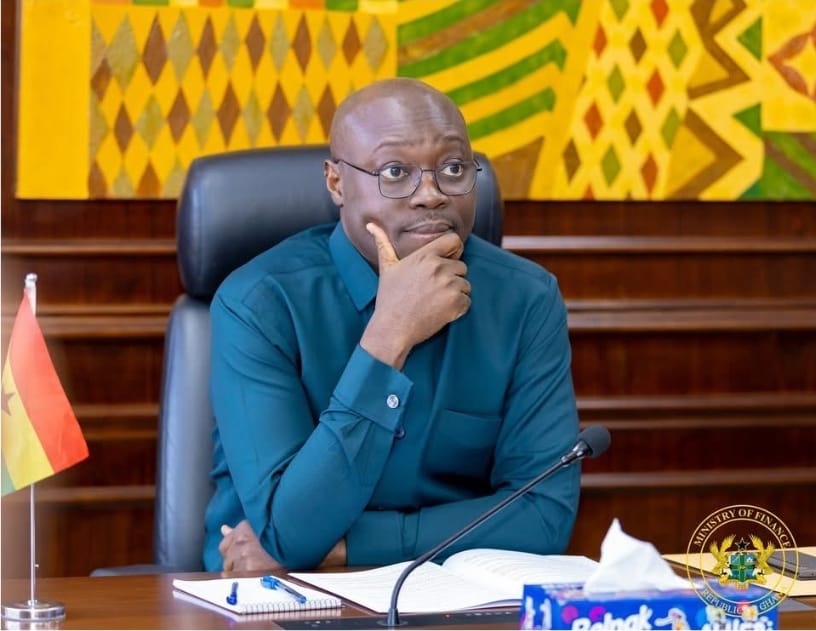
According to the Finance Minister, the investment will support infrastructure development, improve the business environment and strengthen domestic production while maintaining fiscal discipline.
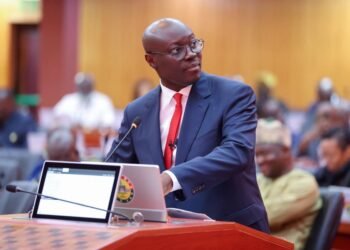
“Government of Ghana will invest in infrastructure such as power, irrigation and transport to make it easier for businesses to expand.”
Dr. Cassiel Ato Forson, Finance Minister.
He further maintained that economic stability would remain essential to attracting long-term investments, particularly for businesses requiring substantial capital commitments.
Agriculture and Energy Offer New Opportunities
Agriculture emerged as one of the major investment opportunities presented at the summit, with government identifying rice and sugar production as priority areas for domestic industrial expansion.
Dr Forson highlighted planned rice and sugar hubs, which are expected to create opportunities in irrigation, storage, milling and packaging. He also disclosed that government was proposing measures to encourage public institutions to purchase locally produced rice and sugar, potentially creating a reliable domestic market for Ghanaian manufacturers.
The Finance Minister urged investors to consider the opportunities across agricultural value chains rather than concentrating solely on primary production. Energy infrastructure was another key area of interest, with opportunities identified in solar energy, battery storage, equipment supply and industrial power systems.

He noted that reliable electricity would allow factories to maximise production capacity, reduce operational constraints and create additional employment. The government is also seeking investors for critical mineral processing facilities in the Western Region, particularly those capable of transforming locally mined manganese and bauxite into higher-value industrial products.
Government Seeks Investment Beyond Raw Materials
Beyond agriculture and infrastructure, Dr Forson identified manufacturing, pharmaceuticals, textiles, tourism and technology as sectors with considerable potential for expansion. He encouraged investors to explore opportunities in garment production, protective clothing and pharmaceutical manufacturing, stressing that Ghanaian businesses could serve both domestic consumers and the wider African market.
With the African Continental Free Trade Area providing access to a continental market of more than 1.4 billion people, he urged investors to consider Ghana as a strategic production and distribution base.
“Your first customer may be in Ghana, your next market could be anywhere in the continent,” he remarked.
Dr. Cassiel Ato Forson, Minister for Finance
The Minister also highlighted opportunities in tourism and the creative arts, including investments in hotels, entertainment venues and cultural productions that could strengthen Ghana’s appeal as an international destination.
He encouraged local businesses with expansion plans to engage financial institutions and government agencies, while urging foreign investors to establish partnerships with Ghanaian enterprises familiar with the local business environment.
GIPA Calls for Stronger Investor Partnerships
Meanwhile, Chief Executive Officer of the Ghana Investment Promotion Authority (GIPA), Simon Madjie, described the summit as an important platform for presenting Ghana’s investment potential to the international business community.
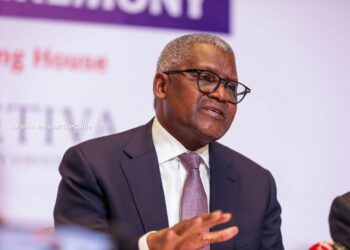
Welcoming President John Dramani Mahama, industrialist Aliko Dangote and other business leaders, Mr Madjie expressed appreciation for their participation and the government’s support for the initiative. He explained that the summit was designed to strengthen Ghana’s investment profile, showcase opportunities across the country and connect international capital with viable local businesses.
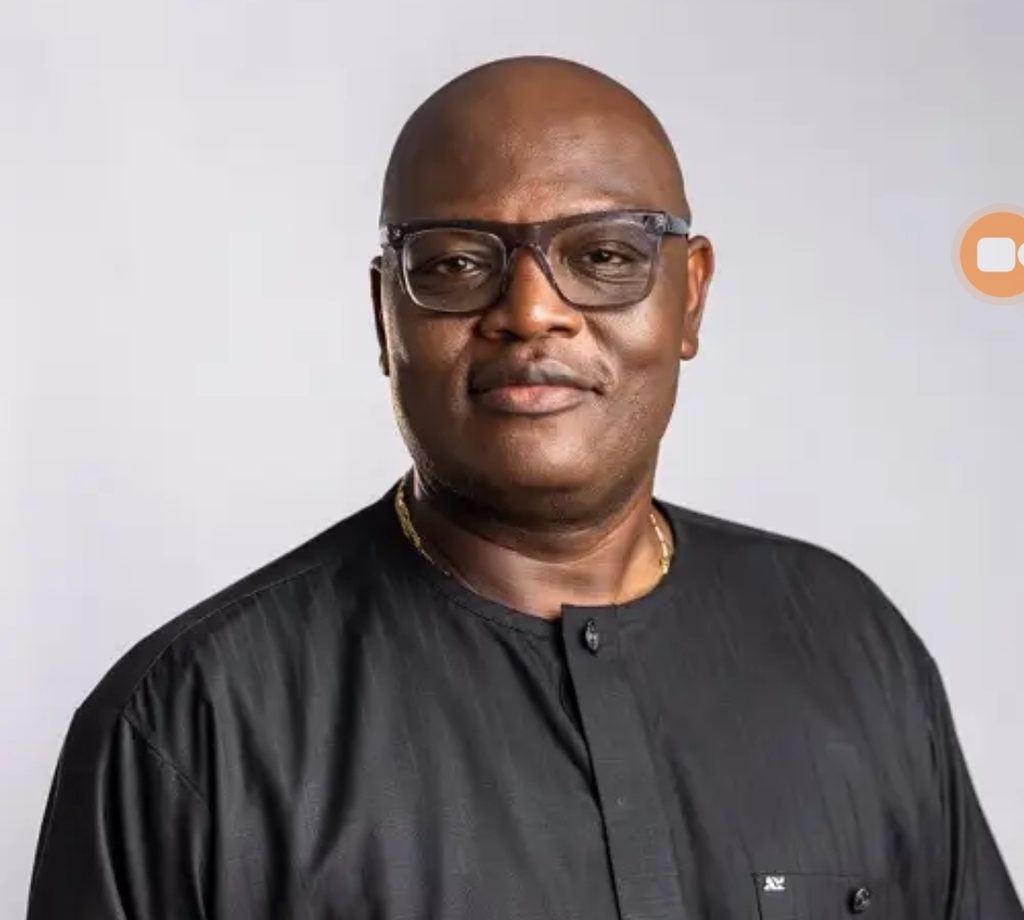
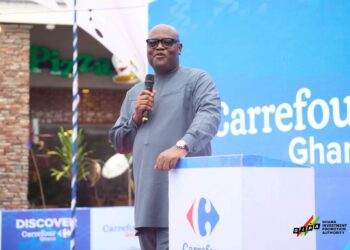
“Ghana is widely known as the gateway to Africa, and with this reputation lies 238,000 square kilometres of opportunities.”
Chief Executive Officer of the Ghana Investment Promotion Authority (GIPA), Simon Madjie
Mr Madjie further described Ghana’s economic story as one of resilience, leadership, reforms and renewed opportunities following significant economic challenges. The two-day summit, running from November 16 to 17, brings together investors, policymakers and business executives to explore partnerships and investment opportunities across the country’s 16 regions.
The programme also includes regional investment engagements, with regional ministers expected to present opportunities within their respective jurisdictions.Through the summit, government hopes to translate investor interest into productive partnerships, industrial expansion and sustainable employment as Ghana pursues its New Economy ambitions.
READ ALSO: 2027 Post-Budget Workshop: Parliament Begins Budget Scrutiny