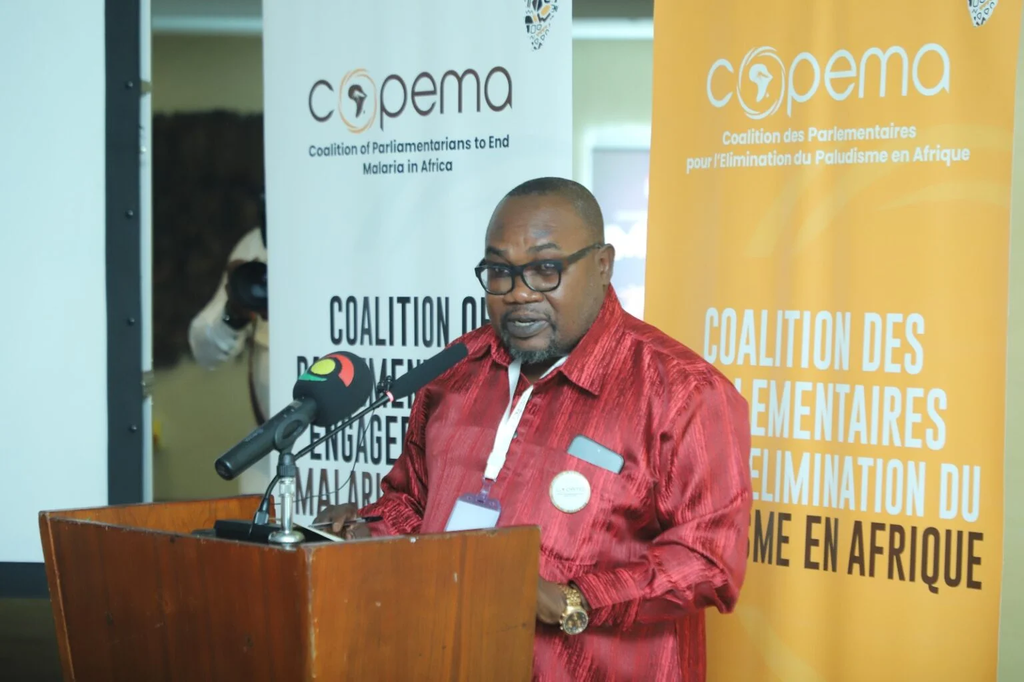
The Chairman of Parliament’s Health Committee, Dr Mark Kurt Nawaane, has rejected claims that doctors are unemployed in Ghana, insisting that the Ministry of Health can recruit practitioners without financial clearance and that some doctors have declined postings to deprived communities.
He made the assertion during proceedings in Parliament, where his account of doctor recruitment was challenged by Akim Oda MP and fellow Health Committee member, Alexander Akwasi Acquah, who maintained that newly qualified doctors who had completed housemanship were still waiting for public-sector appointments.
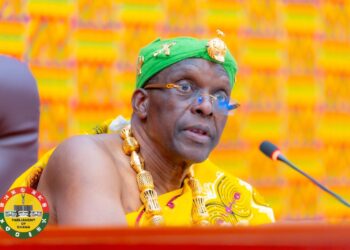
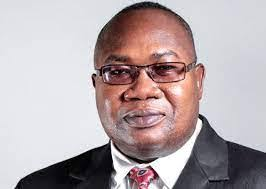
“Mr Speaker, I want to state as a fact that there’s no unemployment among doctors in Ghana. And currently, as we speak, the Minister of Health does not need any financial clearance to employ doctors,”
Parliament’s Health Committee, Dr Mark Kurt Nawaane
Dr Nawaane maintained that the country’s challenge was not a lack of employment opportunities for medical practitioners but the unwillingness of some doctors to accept postings in less-developed parts of the country.
His position places the emphasis on the acceptance of appointments and the distribution of available personnel, rather than the availability of vacancies within the public health system. He further indicated that doctors who had turned down their postings could still report for duty if they reconsidered their decisions.
Dr Nawaane also stressed that the Health Minister had the authority to recruit doctors without first obtaining financial clearance.
Doctors are not unemployed
However, Mr Acquah challenged the suggestion that there was no unemployment among doctors, drawing attention to practitioners who had completed medical school and housemanship but remained at home without public-sector jobs.
He argued that private health facilities were absorbing some of the doctors, although their preference was to secure employment in government hospitals and other public health institutions.
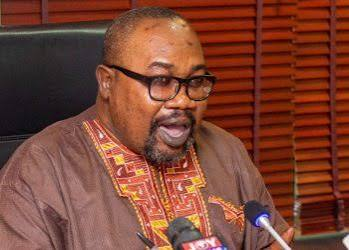
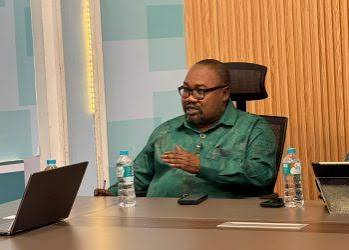
“Doctors who have completed medical school, having finished their house jobs, are home. It is the private facilities that are absorbing them. It is the private sector that is absorbing them. It is not their wish to remain with the private sector. They should be offered employment,”
Akim Oda MP and fellow Health Committee member, Alexander Akwasi Acquah
Mr Acquah’s intervention presented a different picture of the recruitment situation, suggesting that the availability of work in private facilities did not resolve the concerns of doctors seeking positions in the public sector.
Debate raises questions over postings
The exchange has brought renewed attention to the availability and distribution of doctors, particularly the relationship between recruitment opportunities and the willingness of practitioners to serve in underserved communities.
At the centre of the disagreement is whether doctors who remain without public-sector appointments have declined available postings or whether some qualified practitioners have yet to receive offers of employment. The accounts presented by the two MPs identify different aspects of the issue but do not provide figures to establish the scale of either situation.
Dr Nawaane’s assurance that doctors who rejected their postings could still report for duty leaves open the question of how many practitioners have been offered appointments, where those postings were located and how many declined to take them up.
The debate also draws attention to the challenge of attracting medical personnel to deprived communities. Although Dr Nawaane identified reluctance to accept such postings as a key concern, the information presented in the House did not detail the conditions attached to those appointments or the reasons individual doctors may have declined them.
Ministry faces questions on recruitment figures
The Ministry of Health’s recruitment process is now central to resolving the competing claims. Clear information on the number of doctors recruited, the postings issued, the appointments accepted and the offers declined would help establish whether the problem lies mainly in the distribution of personnel or gaps in public-sector recruitment.
For now, the statements by Dr Nawaane and Mr Acquah leave the House with two competing accounts of doctor unemployment in Ghana. One points to rejected postings in deprived areas, while the other highlights qualified practitioners who remain outside public employment.
Until the Ministry provides a detailed account of recruitment and posting outcomes, the extent of doctor unemployment and the reasons behind unfilled positions will remain matters requiring clarification.
READ MORE: Prof. Appiagyei-Atua Questions UGEL Over Student Accommodation Charges