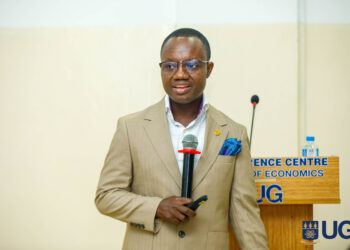
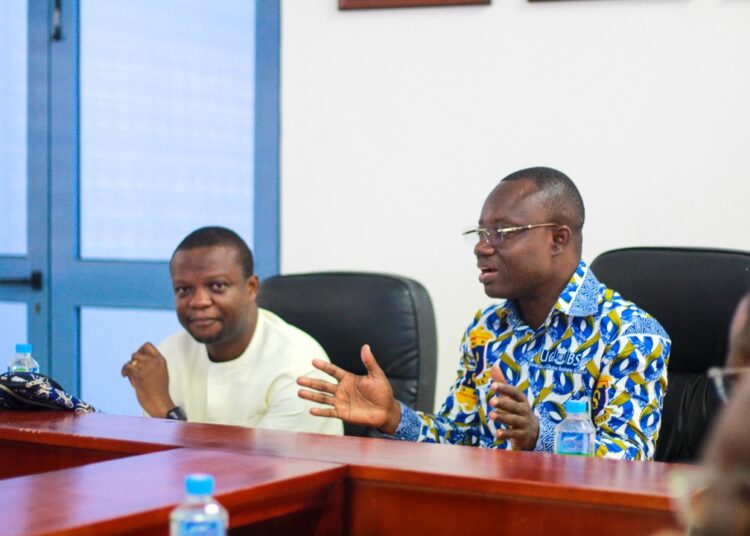
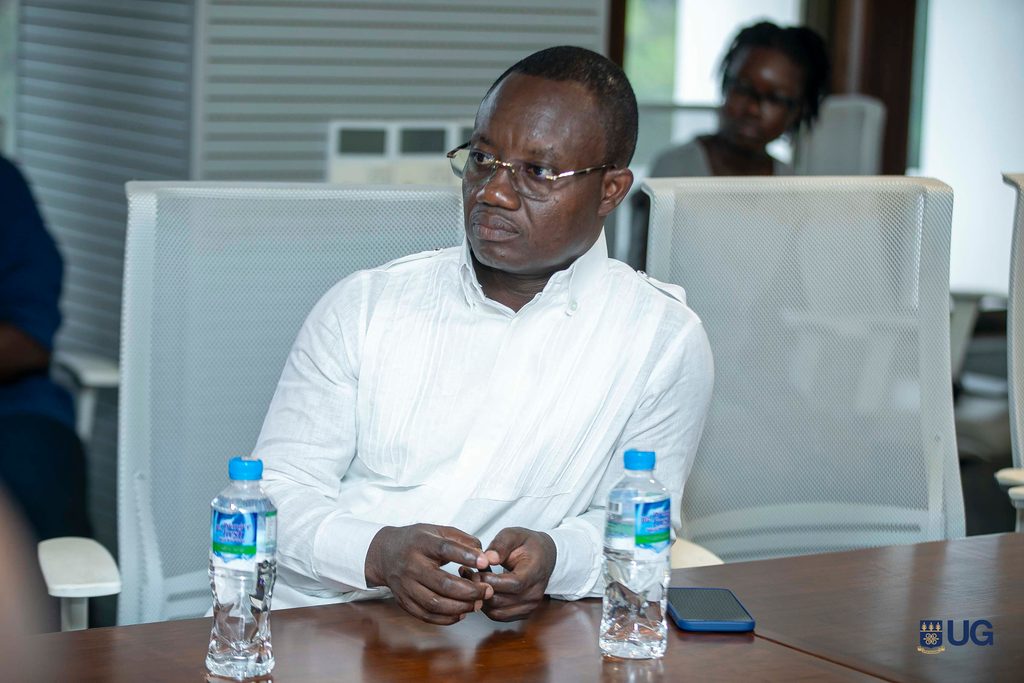
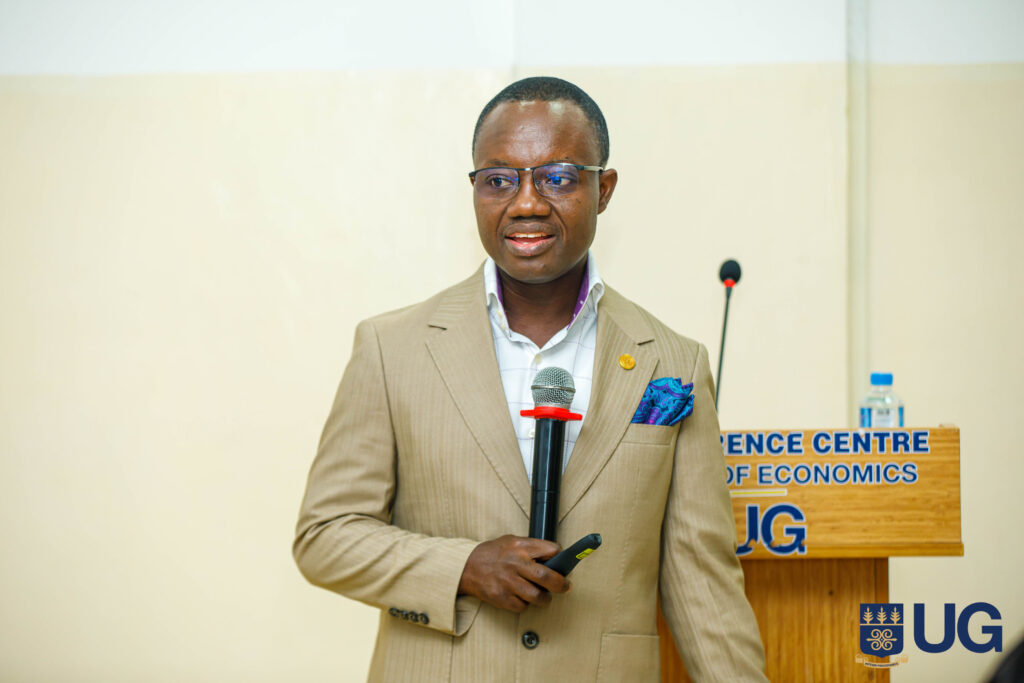
Professor Abekah-Nkrumah of the University of Ghana Business School has defended the hostel fees charged by UGEL, the University of Ghana’s wholly owned hostel subsidiary, arguing that they are probably among the lowest compared with private facilities. He made the case in a media interview as students challenge the fees.
Professor Abekah-Nkrumah explained that the University borrowed from six banks to build the hostels after a campus housing crisis, and that a negotiated settlement with the lenders lets UGEL charge less than private operators would. He added that the fee covers electricity, water and other services and that the University already subsidises its traditional halls.
“At present, UGEL’s hostel fees are probably among the lowest compared with other private hostel facilities.”
Professor Abekah-Nkrumah of the University of Ghana Business School
Hostels Born of a Campus Housing Crisis
Around 2013, Abekah-Nkrumah recalled, campus accommodation was chaotic. Rooms meant for one or two students sometimes held as many as eight. The University belongs to the government, which was expected to fix the problem, but it did not. University management considered the situation unacceptable and sought commercial financing.
Six banks came together to fund the hostels. When the facilities opened in 2017, the arrangement required the University to charge reasonable commercial rates so it could repay the loans.
After student demonstrations, the government of the day indicated that it would take over the payments, he disclosed, but it never honoured that commitment. The banks took the University to court and won a judgment. They were ready to take over the buildings and run them independently, which would have meant rents that students might not have afforded.
A Settlement Creates UGEL
The University stepped in and negotiated a settlement. Abekah-Nkrumah drew a line between a private owner, which seeks to recover its investment and make a profit, and the University, whose primary responsibility is not profit-making. The settlement produced UGEL.
“The arrangement allows UGEL to charge fees below what private operators would ordinarily charge.” Professor Abekah-Nkrumah asked critics to look at what the fee includes. Over two semesters of 16 weeks each, or 32 weeks of accommodation, he put the cost at “approximately GH¢35.40 per day.”
Electricity is part of the package, and students enjoy “an uncapped supply,” he noted. In some other hostels, students receive a limited allowance through prepaid meters and must pay once it runs out.
UGEL also bears the cost of running water, supplies drinking water when students move in, and provides a pack of tissue every semester. It handles sanitation and maintenance of the hostel grounds as well.
The package also includes “pastoral services.” The government once paid the chaplains who provided them, he stated, but it no longer does, so the University now carries that cost. UGEL’s administrative and operating expenses come on top. “The question should be: expensive compared with what, and what services are included?”
Support and a Negotiated Cut
Professor Abekah-Nkrumah of the University of Ghana Business School acknowledged the concerns of students who say they cannot afford the fees. “Not every student is unable to pay.”
He argued that it would not be appropriate to dismantle the whole arrangement because some students face hardship. The Student Financial Aid Office offers scholarships that cover tuition and accommodation, and students who need help can apply.
He also corrected an account of the recent fee cut. It did not come from the Rent Control Commissioner’s intervention, he stated, even though the Education Minister had engaged Rent Control and the tertiary education regulator over rising hostel fees.
It followed the University’s internal process through the Residency Board, which includes significant student representation. UGEL presented its proposal, and the board negotiated a reduction from 26 percent to 15 percent. The University explained its costs as it cut the proposed increase.
Traditional Halls Already Draw Subsidies
Some have urged the University to subsidise the commercial hostels too. Professor Abekah-Nkrumah replied that it already subsidises the traditional halls.
Students there pay about GH¢3,000 or slightly more, he noted, which does not cover even the electricity bill because consumption is uncapped. Government funding largely covers salaries, he added, so the University must find money for many of its other duties
Charging traditional hall rates in the commercial hostels would not erase the loans. They have been renegotiated to extend the repayment period, but the money must still be paid, and someone must bear it. UGEL’s efforts to maintain the ageing buildings are also complicated by a GH¢70m debt.
The student body has not accepted the case. The Students’ Representative Council has rejected the 15 percent increase and demanded a reduction, so the dispute over the final figure continues.
READ ALSO: The New Patriotic Party (NPP) – In Search of Redemption