Ghana must sustain its improving public debt position through disciplined borrowing, stronger foreign exchange reserves and investments in revenue-generating infrastructure.
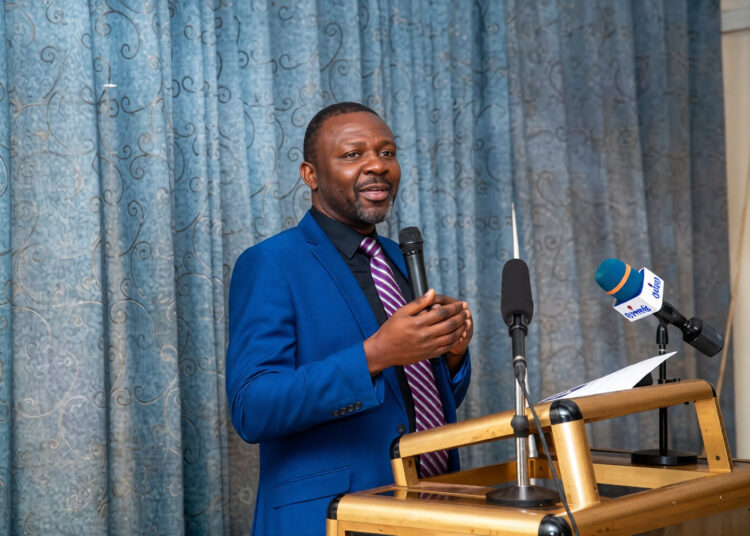
Speaking in an exclusive interview with The Vaultz News Network on the 2027 Budget, Professor Williams Kwasi Peprah cautioned that the Government must avoid using borrowed funds to finance “recurrent expenditure.”
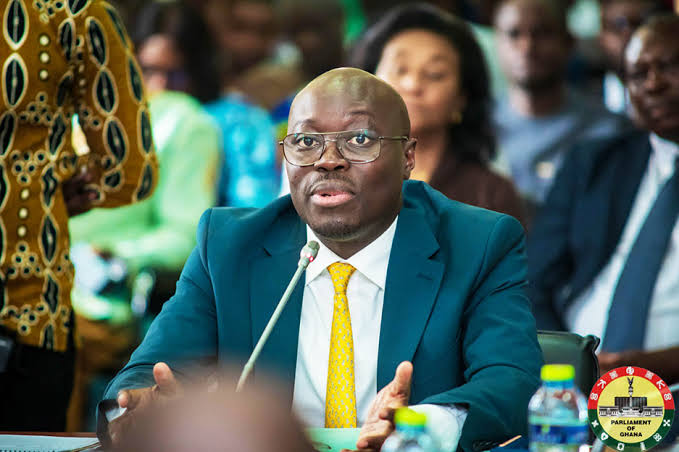
Ghana’s public debt stood at approximately GH¢759.3 billion at the end of October, representing 47.5 percent of Gross Domestic Product (GDP). Although the declining debt position points to an improvement in the country’s fiscal outlook, Professor Peprah emphasised that preserving these gains would require prudent debt management, effective project execution and transparent administration of public resources.
“If government is going to borrow, that debt must not go into consumption, but must go into projects that will repay. They should not borrow for consumption, but we should borrow for projects and let the projects repay the debt.”
Professor Williams Kwasi Peprah
Ghana’s Debt Recovery Requires Sustained Fiscal Discipline
Explaining the factors contributing to the improvement in Ghana’s debt position, Professor Peprah identified “stronger domestic revenue mobilisation and the Government’s debt repayment strategy” as important developments. He observed that the authorities have made progress in generating revenue to meet existing obligations, while adopting a sinking fund mechanism to accumulate resources for servicing both Eurobond and domestic bond commitments.
He particularly highlighted the decision to repay some debt obligations before their maturity dates, describing the approach as “a positive development in strengthening the country’s debt management framework.” In his assessment, consistent repayment would help the Government manage its obligations and prevent the accumulation of unsustainable debt pressures.
Beyond domestic revenue mobilisation, the Associate Professor identified the appreciation of the cedi as another significant contributor to the reduction in Ghana’s debt portfolio, particularly its external component. He explained that when the local currency strengthens against foreign currencies, the cedi value of external debt declines, making those obligations relatively less expensive to service.
Consequently, he urged the Government to maintain exchange rate stability and pursue policies that support the cedi’s strength. He further identified access to foreign exchange as essential for meeting external debt obligations, noting that the Government’s gold bond strategy could help mobilise the foreign currency required for such payments.

Professor Peprah also drew attention to the Government’s increasing reliance on domestic borrowing, particularly through cedi-denominated instruments, as a means of reducing exposure to foreign currency debt. He explained that borrowing locally gives the authorities greater control over their debt obligations, especially when domestic interest rates decline.
He noted that the reduction in interest rates have lowered the cost of domestic borrowing, with government bond rates hovering around 7 percent compared with levels of approximately 27 to 28 percent in the previous period. This development, he indicated, provides the Government with an opportunity to finance its obligations at a comparatively lower cost.
Nevertheless, he cautioned that cheaper borrowing should not encourage indiscriminate expenditure.
Instead, the Government must establish a clear connection between borrowed resources and investments capable of generating sufficient returns to service the associated debt. “Those roads must have, the toll must be able to generate to pay back the loans,” he remarked, using road infrastructure to illustrate how public investments could generate revenue to support loan repayments.
Capital Expenditure Must Translate Into Meaningful Jobs
Moving to the employment implications of the 2027 Budget, Professor Peprah cautioned Ghanaians against treating announced expenditure allocations as completed government investments. He explained that the GH¢100.4 billion earmarked for capital expenditure represents a financial plan and not necessarily the amount that will ultimately be spent.
He emphasised that a national budget outlines “the Government’s intended allocation of resources based on anticipated revenue and available financing.” Hence, the actual impact of the capital expenditure programme will depend on the resources mobilised and the extent to which the proposed projects are implemented.
“Government policies are big, but if Ghanaians don’t become more entrepreneurial and align the entrepreneurial intention with government plans, the whole thing is not going to create jobs.”
Professor Williams Kwasi Peprah
In addition, Professor Peprah further identified access to government funding as a critical consideration in determining whether the budget’s employment objectives would materialise. He observed that complicated application procedures and excessive eligibility requirements could prevent capable entrepreneurs from accessing financial support, even when they possess viable business ideas and strategies.
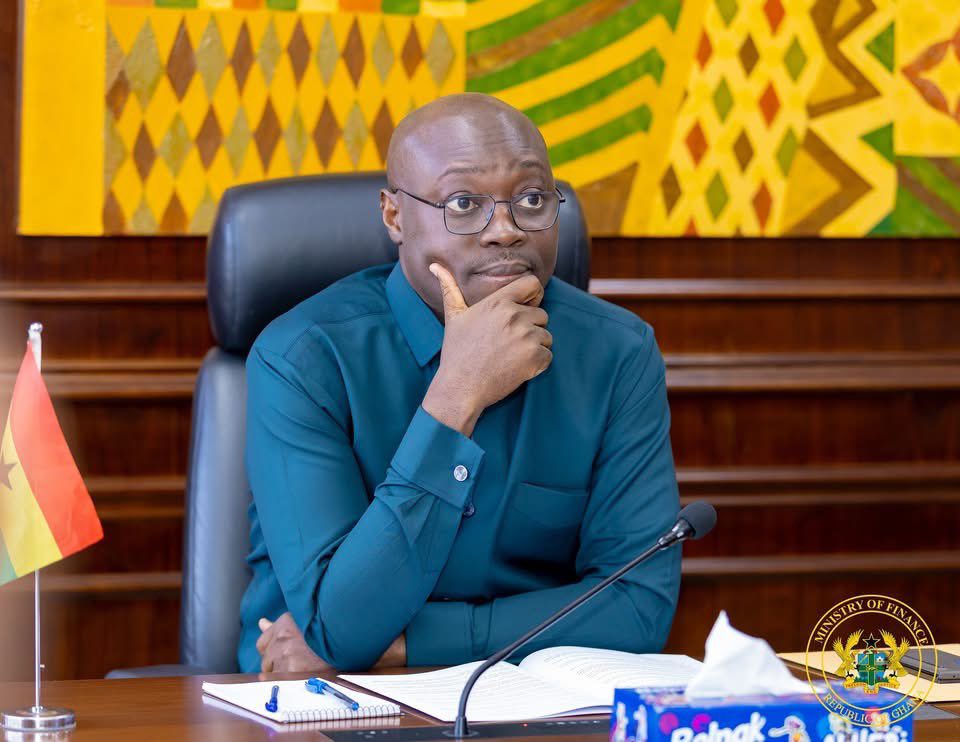
He therefore called for simpler and more accessible funding arrangements, particularly for individuals seeking to establish businesses within agriculture and other priority sectors.
In his view, the effectiveness of government support programmes depends on the funding provided and the ease with which eligible applicants can access it.
READ ALSO: Transport Minister Targets 231 More Buses to Revive State Transport