• About
  • Advertise
  • Privacy Policy
  • Contact
Friday, May 1, 2026
  • Login
The Vaultz News
  • Top Stories
  • News
    • General News
    • Education
    • Health
    • Opinions
  • Economics
    • Economy
    • Finance
      • Banking
      • Insurance
      • Pension
    • Securities/Markets
  • Business
    • Agribusiness
    • Vaultz Business
    • Extractives/Energy
    • Real Estate
  • World
    • Africa
    • America
    • Europe
    • UK
    • USA
    • Asia
    • Around the Globe
  • Innovation
    • Technology
    • Wheels
  • Entertainment
  • 20MOBPL2DNew
  • Jobs & Scholarships
    • Job Vacancies
    • Scholarships
No Result
View All Result
The Vaultz News
  • Top Stories
  • News
    • General News
    • Education
    • Health
    • Opinions
  • Economics
    • Economy
    • Finance
      • Banking
      • Insurance
      • Pension
    • Securities/Markets
  • Business
    • Agribusiness
    • Vaultz Business
    • Extractives/Energy
    • Real Estate
  • World
    • Africa
    • America
    • Europe
    • UK
    • USA
    • Asia
    • Around the Globe
  • Innovation
    • Technology
    • Wheels
  • Entertainment
  • 20MOBPL2DNew
  • Jobs & Scholarships
    • Job Vacancies
    • Scholarships
No Result
View All Result
The Vaultz News
No Result
View All Result
in Agribusiness

Peasant Farmers Raise Alarm as 80% Remain Unregistered for PFJ Phase II

M.Cby M.C
July 18, 2024
Reading Time: 4 mins read
Peasant Farmers Raise Alarm as 80% Remain Unregistered for PFJ Phase II

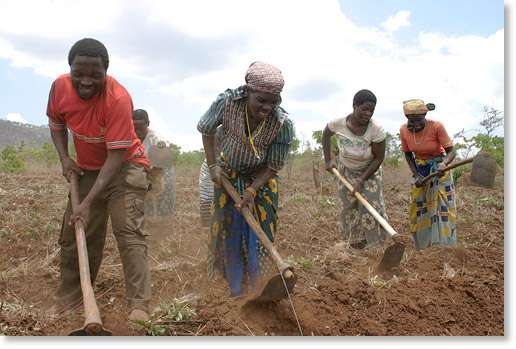
The Peasant Farmers Association of Ghana (PFAG) has recently highlighted a critical issue facing the agricultural sector: approximately 80 percent of farmers remain unregistered for the government’s Planting for Food and Jobs Programme Phase II (PFJ 2.0) as of June 2024.

With the planting season fast approaching, this lack of registration poses significant challenges for farmers who are unsure of when and where they will receive essential inputs such as fertilizers and seeds.

Wepia Awal Addo, the National President of PFAG, expressed deep concern over this situation. “As of June, around 80 percent of the farmers have not been registered and their farms have not been mapped, which is a source of worry for us because the raining season has started. If you go to many places, people are planting, and they need the inputs to be able to grow food,” Mr. Addo stated.

This revelation came during a national validation workshop in Accra, organized in collaboration with the Ministry of Food and Agriculture (MoFA) and the Deutsche Gesellschaft für Internationale Zusammenarbeit (GIZ).

ADVERTISEMENT

Mr. Addo emphasized the apparent lack of interest in farmers’ welfare, pointing out that farmers have not been provided with adequate information to help them plan for the upcoming season. Describing the PFJ Phase II as uninspiring, he criticized the neglect of the agriculture sector and the absence of direct investments for farmers. He also noted that plans to expand irrigation projects and improve road networks have been left unattended, further hampering agricultural productivity.

The Purpose and Challenges of PFJ Phase II

Launched by MoFA, PFJ 2.0 was designed to address the shortcomings identified during the initial phase of the program. These challenges included limited access to agricultural credit, insufficient adoption of the value chain approach, budgetary constraints, and inadequate national food storage capacity. Additionally, issues such as smuggling, rent-seeking, and corruption were highlighted in PFAG’s annual assessment reports, prompting a significant call for a comprehensive review of the program.

PFJ 2.0 aims to modernize the agricultural sector by developing selected agricultural value chains for food crops while promoting private sector participation. The program has shifted from direct input subsidies to a smart agriculture input credit system, aiming to enhance food security, resilience, and export potential. It also seeks to create jobs among agricultural value chain actors.

Despite its ambitious goals, the roll-out of PFJ 2.0, which began in March 2024, has faced several criticisms. Concerns have been raised about the timing, design, and implementation of the program. The reliance on anchor farmers or aggregators for input and service provision, minimal central government involvement, and the late registration process have been contentious points among stakeholders.

PFAG’s Assessment and Recommendations

In response to these challenges, PFAG, supported by OXFAM, has conducted an assessment of PFJ 2.0 to identify emerging issues, gaps in roll-out, and propose solutions for maximizing the program’s output. Two stakeholder consultation workshops were held in Tamale and Techiman, engaging farmers, input dealers, agricultural directors, and other relevant stakeholders from the Northern, Upper West, Upper East, North East, Ashanti, Ahafo, Bono, and Bono East regions. These consultations aimed to gather insights, sensitize farmers, and provide a platform for stakeholders to engage with the ministry on emerging issues.

The national validation workshop in Accra served to validate the findings from these consultations and ensure stakeholder feedback was incorporated into the final assessment report. The workshop featured presentations on the assessment findings, panel discussions, and interactive sessions to discuss and refine the recommendations.

The findings from PFAG’s assessment underscore the urgent need for more effective implementation of PFJ 2.0. Key recommendations include ensuring timely registration and mapping of farmers, providing clear and accessible information to farmers, and addressing infrastructural challenges such as irrigation and road networks.

The programme “Sustainable Employment through Agribusiness (AgriBiz) in Ghana” was commissioned by the German Federal Ministry for Economic Cooperation and Development (BMZ). Running from April 2021 until December 2025, the programme operates nationwide with a strong focus on promoting dynamic micro, small, and medium enterprises (MSMEs), both formal and informal, along with their Member Based Business Organizations (MBBOs) and business development service (BDS) providers.

The programme aims to strengthen the capacities of MSMEs and their associations to enable the private sector to create productive employment in the agribusiness sector.

ADVERTISEMENT

READ ALSO: Stanbic Bank and Georgetown University Forge Partnership to Advance Digital Innovation


Sign Up to Our Newsletter

Fresh updates, Straight to your inbox

Tags: Agribusiness (AgriBiz)Deutsche Gesellschaft für Internationale Zusammenarbeit (GIZ)MSMEsOxfamPeasant Farmers Association of Ghana (PFAG)Planting for Food and Jobs Programme Phase II (PFJ 2.0)
Share1Tweet1ShareSendSend
Please login to join discussion
Previous Post

NDC Underscores Mahama’s Substantial Role in the Development of NIA System

Next Post

GSE Trading Stagnates with No Share Price Movement

Related Posts

Hon. Emelia Arthur, Minister for Fisheries and Aquaculture Development
Agribusiness

Blue Ventures Partnership Overhauls Failed Fisheries Governance Models

April 30, 2026
GSA's Meeting for Land-Based Fish Processing Establishments
Agribusiness

GSA Compliance Tactics to Save Ghana’s Fish Exports From Rejection

April 30, 2026
Hon. Emelia Arthur, Minister for Fisheries and Aquaculture Development, with Ebrima Saidy, CEO of Blue Ventures Conservation
Agribusiness

New Fisheries Deal Places Communities Before Bureaucratic Force

April 30, 2026
Prof. Benjamin Betey Campion, Executive Director Fisheries Commission, at the 5th World Small-Scale Fisheries Congress
Agribusiness

Campion Rejects Ad Hoc Support For Fishing Communities at Global Congress

April 29, 2026

Sign Up to Our Newsletter

Fresh updates, Straight to your inbox

Recent News

Hon. Emelia Arthur, Minister for Fisheries and Aquaculture Development

Blue Ventures Partnership Overhauls Failed Fisheries Governance Models

April 30, 2026
Dr. John Osae-Kwapong, Democracy and Development Fellow, CDD-Ghana, and Project Director, the Democracy Project

Ghana Witnessing Legal Correction, Institutional Setback in Corruption Fight – Osae-Kwapong

April 30, 2026
First National Bank Introduces Bespoke Luxury Banking Services

First National Bank Introduces Bespoke Luxury Banking Services

April 30, 2026
GSA's Meeting for Land-Based Fish Processing Establishments

GSA Compliance Tactics to Save Ghana’s Fish Exports From Rejection

April 30, 2026
GoldBod CEO with E&P CEO

E&P Sells Off 100% Proceed from Damang Gold Mine to GoldBod

April 30, 2026
Next Post
Trading Spikes on GSE with No Major Price Movements

GSE Trading Stagnates with No Share Price Movement

The Vaultz News

Copyright © 2025 The Vaultz News. All rights reserved.

Navigate Site

  • About
  • Advertise
  • Privacy Policy
  • Contact

Follow Us

Welcome Back!

Login to your account below

Forgotten Password?

Retrieve your password

Please enter your username or email address to reset your password.

Log In
No Result
View All Result
  • Top Stories
  • News
    • General News
    • Education
    • Health
    • Opinions
  • Economics
    • Economy
    • Finance
      • Banking
      • Insurance
      • Pension
    • Securities/Markets
  • Business
    • Agribusiness
    • Vaultz Business
    • Extractives/Energy
    • Real Estate
  • World
    • Africa
    • America
    • Europe
    • UK
    • USA
    • Asia
    • Around the Globe
  • Innovation
    • Technology
    • Wheels
  • Entertainment
  • 20MOBPL2D
  • Jobs & Scholarships
    • Job Vacancies
    • Scholarships

Copyright © 2025 The Vaultz News. All rights reserved.

This website uses cookies. By continuing to use this website you are giving consent to cookies being used. Visit our Privacy and Cookie Policy.

Discover the Details behind the story

Get an in-depth analysis of the news from our top editors

Enter your email address