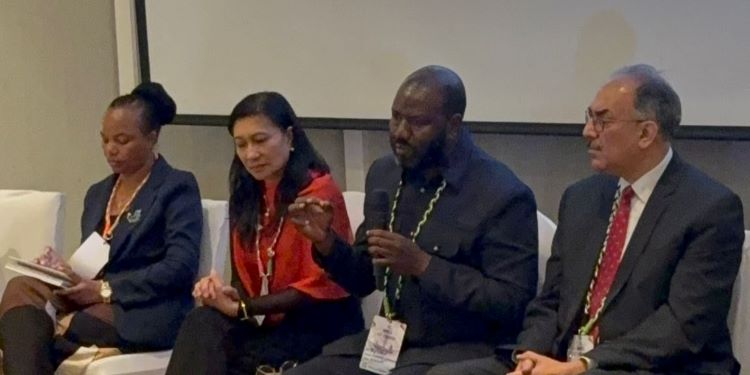
As the global maritime community converges on the coastal town of Hua Hin, Thailand, this week, the dialogue surrounding the survival of artisanal fishing is shifting from abstract advocacy toward a rigorous, institutional framework.
Representing the strategic interests of West Africa at the 5th World Small-Scale Fisheries (SSF) Congress, the Executive Director of Ghana’s Fisheries Commission, Prof. Benjamin Betey Campion, is leading a high-level push for the formalization of national oceanic strategies.
His address to an international audience of researchers, policymakers, and civil society organizations emphasized a critical turning point: the era of fragmented, ad hoc support for small-scale fishers must give way to the institutionalization of National Plans of Action.
“Prof. Campion underscored the urgent need to institutionalise National Plans of Action for small-scale fisheries, emphasizing their critical role in sustainable management and long-term resilience.
“Anchored in the shared vision of Just Harmony, Young Futures, and Regenerative Wisdom, his message highlighted the importance of inclusive governance, youth empowerment, and ecosystem-based approaches to secure the future of small-scale fisheries”
Fisheries Commission
The congress, being held at the historic Dusit Thani Hua Hin from April 27 to May 1, 2026, serves as a global laboratory for the blue economy, and for Ghana, Prof. Campion’s move represents a fundamental survival strategy for a sector that provides the primary protein source for millions.
His agency at this forum comes at a time when small-scale fisheries across the Gulf of Guinea are facing unprecedented pressures from industrial encroachment, climate variability, and shifting market dynamics.
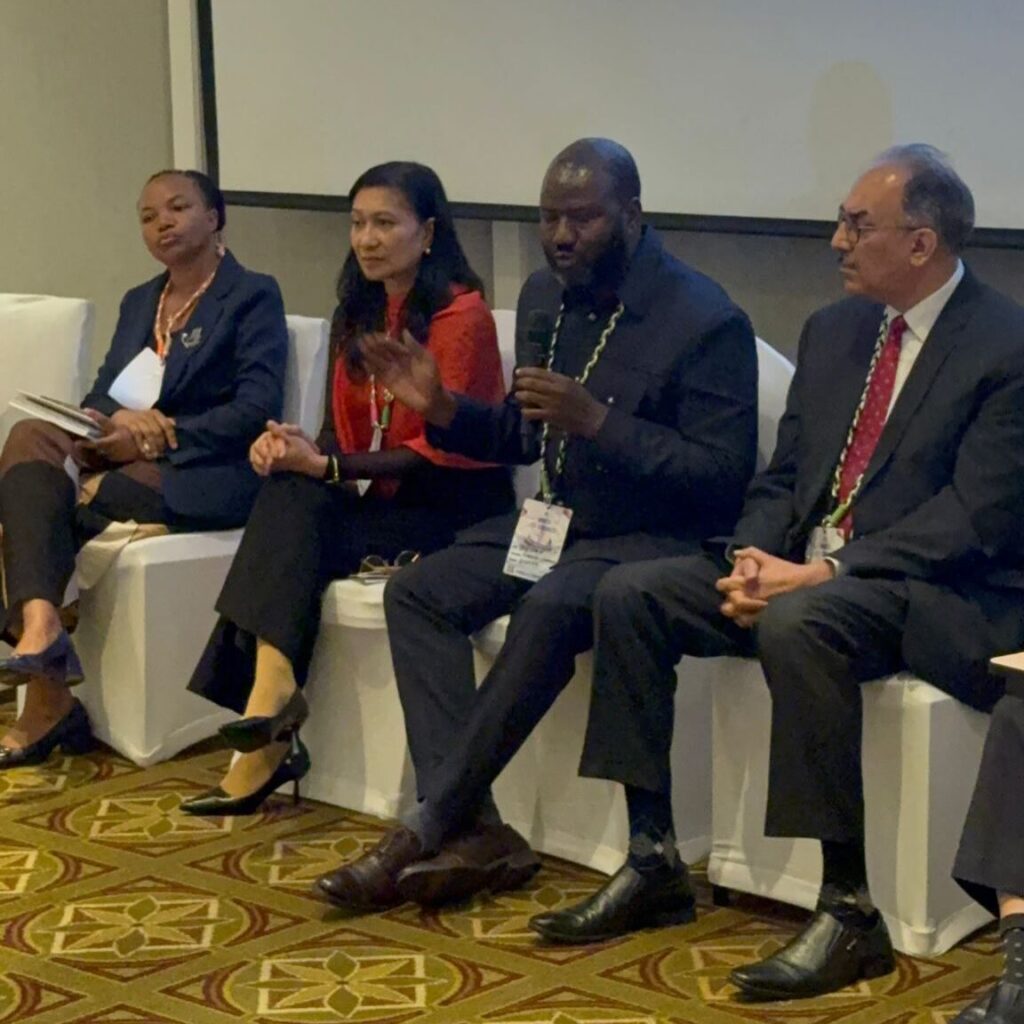
Through his advocacy for National Plans of Action, Prof. Campion is signaling that the Fisheries Commission intends to embed the rights and the resilience of small-scale operators into the very bedrock of Ghana’s national governance.
This institutional approach is expected to prevent the artisanal sector from being treated as a peripheral informal activity but rather as a central, protected pillar of national food security.
The Pursuit of Just Harmony
A primary theme of the 2026 Congress is “Just Harmony,” a concept that resonates deeply with the current challenges facing the Ghanaian coastline.
As coastal and ocean spaces become increasingly crowded with oil exploration, industrial trawling, and tourism development, the friction between small-scale fishers and large-scale interests has intensified. Prof. Campion argued that sustainable management is impossible without resolving these underlying conflicts.
Since the vision of “Just Harmony” is to foster cooperation by creating inclusive governance structures where the voices of artisanal fishers carry the same weight as corporate stakeholders, he proposed a shift toward inclusive governance as a departure from the top-down management styles that have historically characterized the sector.
By prioritizing harmony, the Fisheries Commission is looking to develop co-management models that give local communities a direct say in how their traditional fishing grounds are utilized.
This approach recognizes that the fishers themselves are the most effective stewards of the ocean, provided they are given the legal authority and the institutional support to defend their resources. Its goal is to move away from a state of constant maritime friction toward a balanced ecosystem where small-scale operators can thrive alongside modern industrial growth.
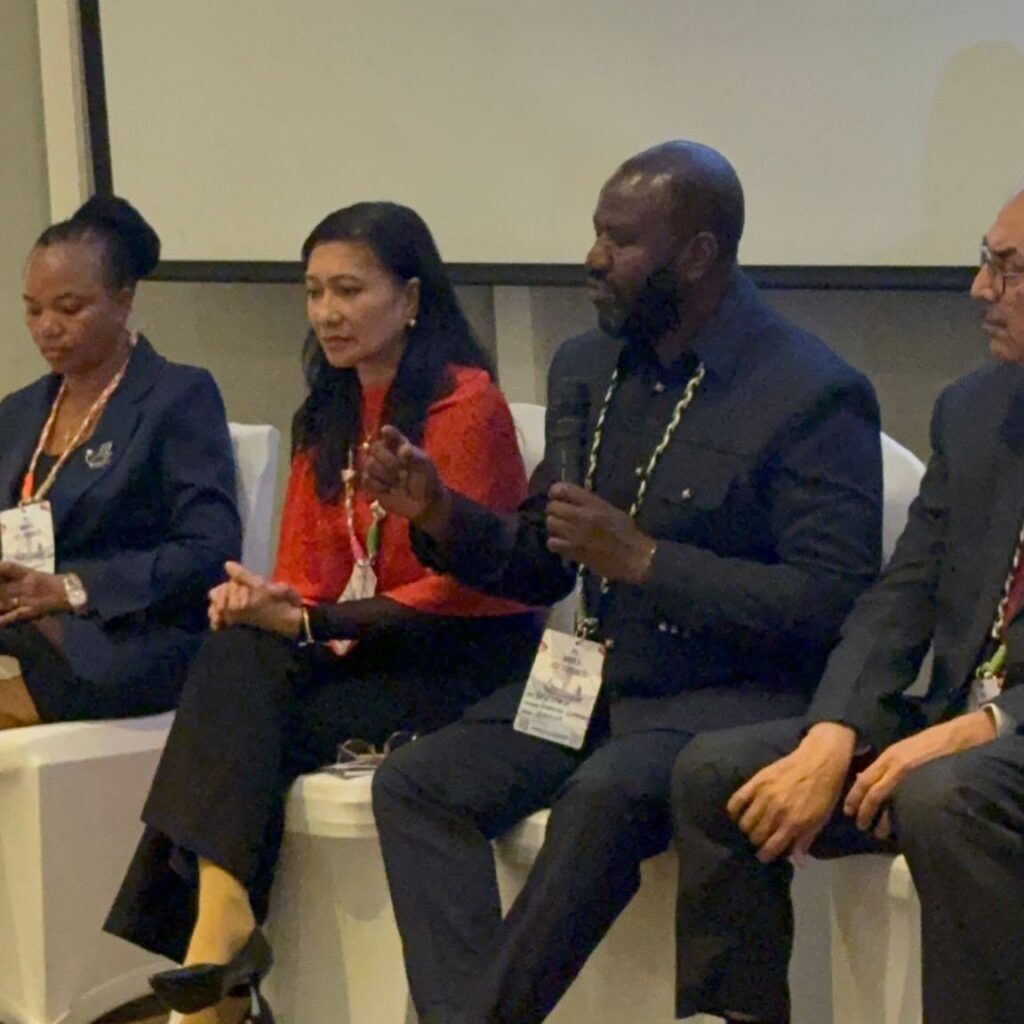
For the Fisheries Commission, sustainability of the fisheries sector is not merely a matter of managing stocks; it is a matter of managing the workforce, and the “Young Futures” pillar of the congress addresses the growing concern that the next generation is turning away from the sea.
Prof. Campion highlighted the urgent need to make small-scale fishing an attractive and viable career path for the youth, arguing that in a rapidly digitizing global economy, the traditional image of the artisanal fisher must be rebranded to include technological integration, entrepreneurship, and professionalized management.
Empowering young people within the fisheries value chain is being explored as a way to inject innovation into the industry. In the upcoming various policy forums and interactive “Science Cafés” in Thailand, the Ghanaian delegation will look into how youth-led initiatives can drive the modernization of post-harvest processing and marketing.
These insights will inform the state on how it can make the sector a consistent driver of rural employment rather than a relic of the past, providing young fishers with the tools to scale their businesses and access new markets.
Prof. Campion reiterated that without a deliberate focus on the perspectives of the youth, any long-term management plan is destined to fail as the current workforce ages out.
He also referenced the third pillar of the Congress, “Regenerative Wisdom,” to challenge the traditional extractive mindset that has dominated global fisheries for decades.
This concept examines food systems that achieve security without degrading the aquatic ecosystems upon which they depend, and for the Fisheries Commission, this means moving toward an ecosystem-based approach that prioritizes the health of the sea as much as the volume of the catch.
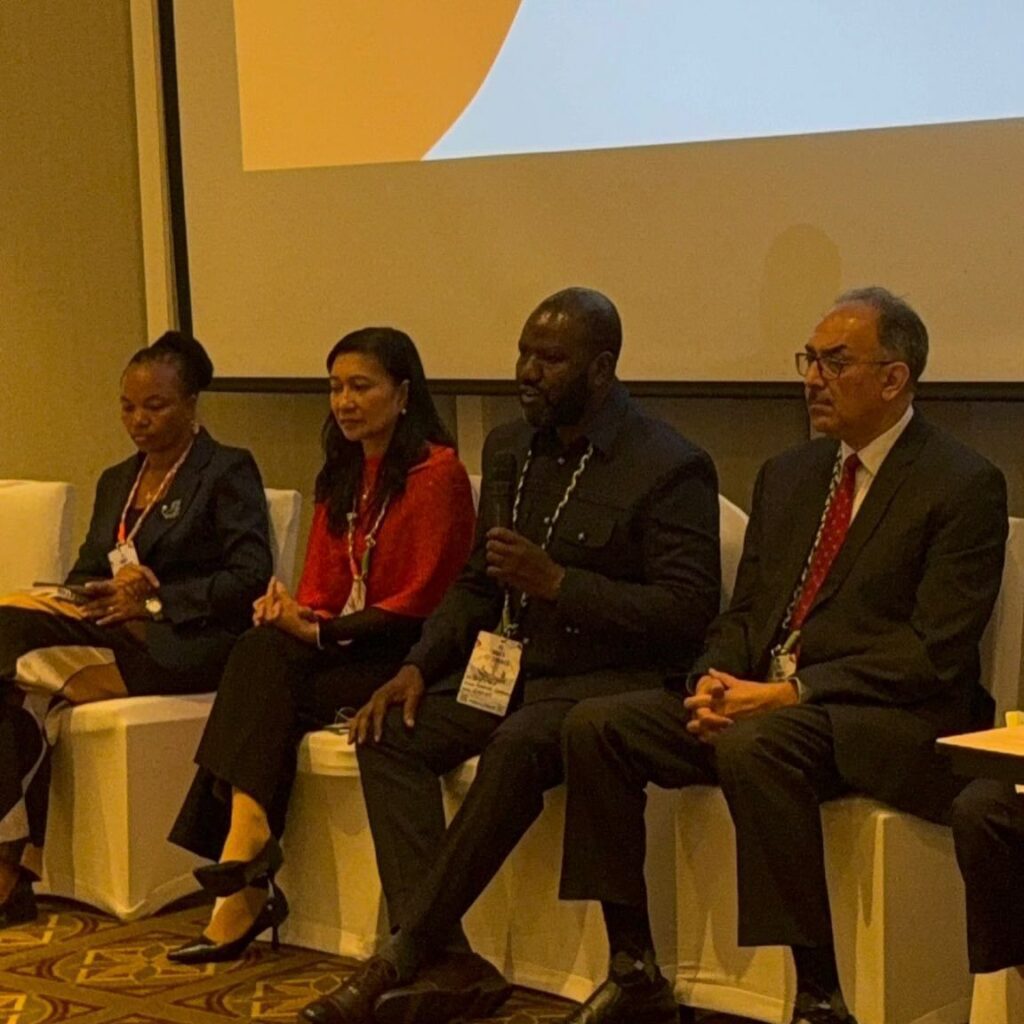
Prof. Campion emphasized in his closing remarks that the wisdom of traditional fishing communities, often overlooked in modern policy, is essential for identifying regenerative practices that have sustained oceans for centuries.
This focus is particularly relevant as Ghana grapples with dwindling fish stocks and the effects of Illegal, Unreported, and Unregulated (IUU) fishing.
READ ALSO: Canada Unveils Nuclear Strategy to Boost Energy Security