
Bank of Ghana’s latest Summary of Economic and Financial Data reveals that Ghana’s external sector experienced a robust expansion in the first four months of 2026, with total export earnings surging to US$11.15 billion in April from US$8.5 billion in March, primarily propelled by the stellar performance of the gold and oil industries.
This significant growth highlights the pivotal role of these two commodities in bolstering the country’s trade position, as they continue to anchor the national export strategy despite the complexities of the global market.
“Ghana’s external sector recorded strong growth in the first four months of 2026, with gold and oil exports emerging as major contributors to rising export earnings. The figures also exceeded the US$5.25 billion recorded during the same period in 2025, underscoring continued strong performance in the mining sector.”
Bank of Ghana

Building on this upward trajectory, the data underscores a substantial shift in the country’s trade landscape, as the combined revenue from these sectors provided a vital cushion for the economy.
Gold solidified its status as the nation’s premier foreign exchange earner, jumping from US$5.26 billion in March to US$6.86 billion in April a performance that analysts describe as “an extraordinary scale of growth” that comfortably eclipsed the US$5.25 billion recorded during the same period in 2025.



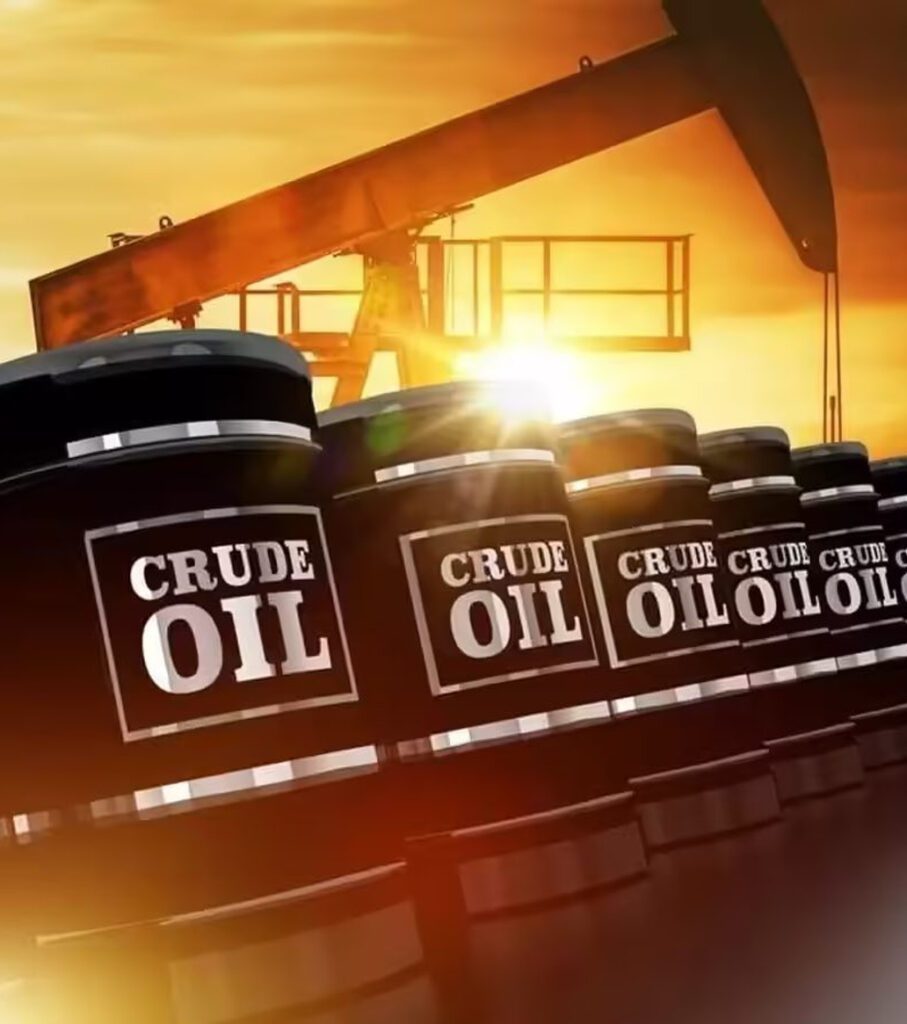
Meanwhile, the petroleum sector mirrored this momentum, with oil exports climbing from US$752.9 million to US$1.28 billion, an increase the report attributes to “improved export receipts from Ghana’s petroleum sector amid global energy market fluctuations.”
Strengthening Macroeconomic Stability
The surge in export earnings serves as a critical pillar for Ghana’s macroeconomic stability, providing the central bank with increased intervention capacity to manage currency volatility.
By bolstering foreign exchange reserves, these earnings help mitigate the risks associated with external shocks and reduce the pressure on the national currency.
Economists have long noted that high-value commodity exports specifically gold act as a “natural hedge” against production-side risks, ensuring that the country maintains sufficient import cover.
As the Bank of Ghana continues to accumulate reserves, this strategic accumulation strengthens the nation’s creditworthiness and provides a buffer that is closely monitored by international creditors and rating agencies.
Balancing Trade and Industrial Growth
While the export figures paint a picture of prosperity, the report also notes a concurrent rise in the import bill, which grew from US$4.06 billion in March to US$5.87 billion in April.

A significant portion of this expenditure, US$2.01 billion, was directed toward oil imports, highlighting a “structural tension” where the economy must balance record export gains with an expanding energy import requirement.
However, the consistent performance of the mining and oil sectors ensures that the trade surplus remains intact.
This growth provides the government with the fiscal space to invest in infrastructure and essential services, effectively transforming raw commodity wealth into broader national development.

Looking ahead, the modest but steady performance of cocoa exports, which rose to US$1.86 billion, alongside other exports reaching US$1.15 billion, suggests that while gold and oil currently dominate the headlines, there is room for a more diversified export base.
The continued resilience of the mining sector is particularly encouraging, as it suggests that Ghana’s industrial production is becoming more efficient.
READ ALSO: TV3’s Anita Akua Akuffo Ignites Wedding Fever With Pre-Wedding Photos