Tag: Ing. Kenneth Ashigbey

  • Digital Technologies in Mining Offer Ghana Competitive Advantage – Chamber of Mines CEO

    Digital Technologies in Mining Offer Ghana Competitive Advantage – Chamber of Mines CEO

    Chief Executive Officer (CEO) of the Ghana Chamber of Mines, Ing. Kenneth Ashigbey, has asserted that integrating advanced digital technologies into the domestic mining sector holds the key to unlocking an unprecedented competitive advantage for the country.

    Speaking at the Mining for Development Forum (MDF), held under the thematic banner of “Strategic Mining: Value Retention and Development,” Ing. Ashigbey highlighted that leveraging technological advancements is no longer optional but a strategic imperative to scale up national productivity.

    He emphasized that by framing mining not merely as an extraction activity but as an extensive end-to-end value chain, Ghana can successfully jumpstart its structural economic transformation and transition from a lower-middle-income status into a high-income nation.

    “One of the places that mining can help us bridge the digital gap is that digital technology is also coming into mining. And we have a competitive advantage when it comes to that. Our young people, you see the businesses that we’re building in the digital space.”

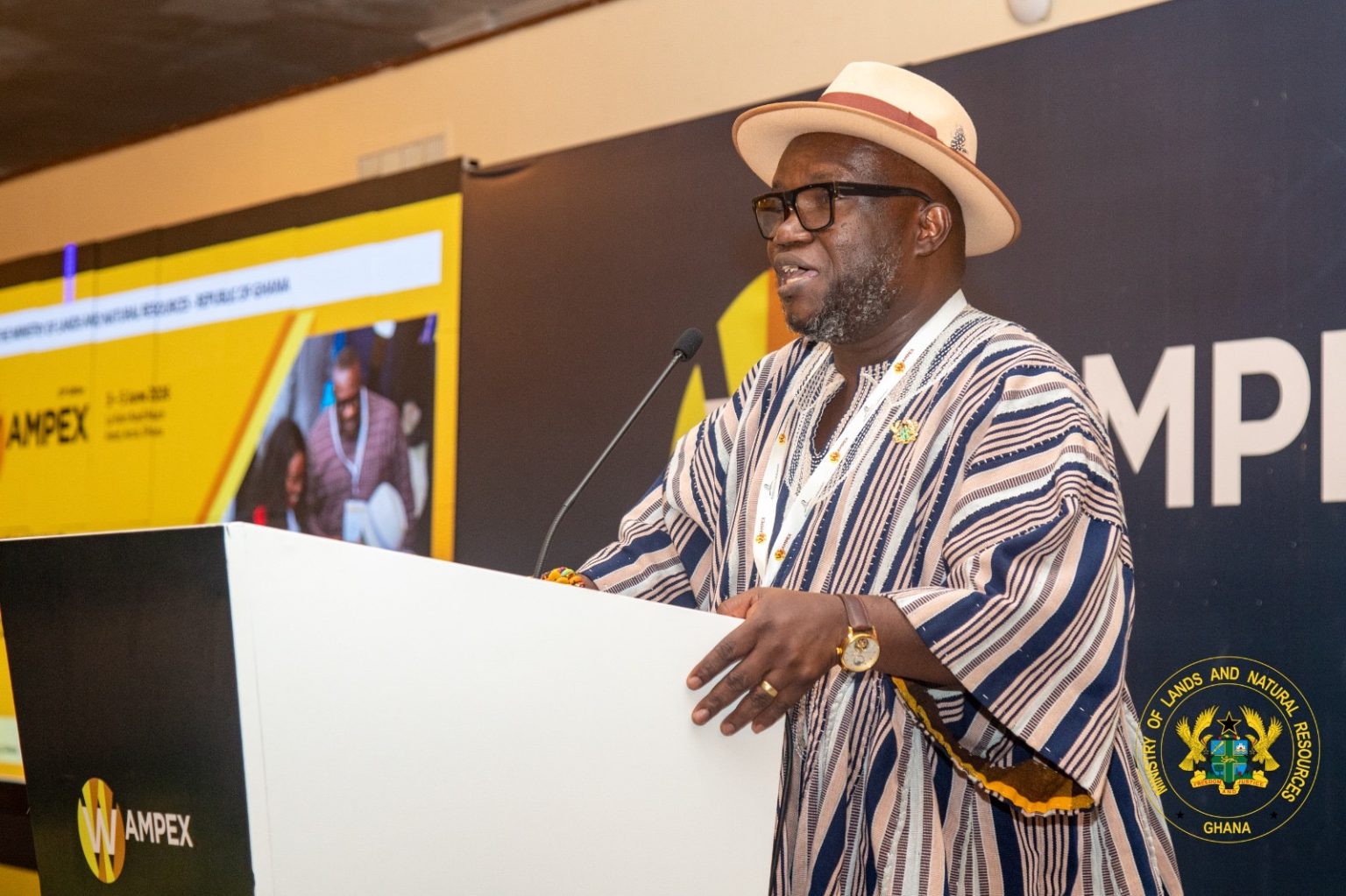
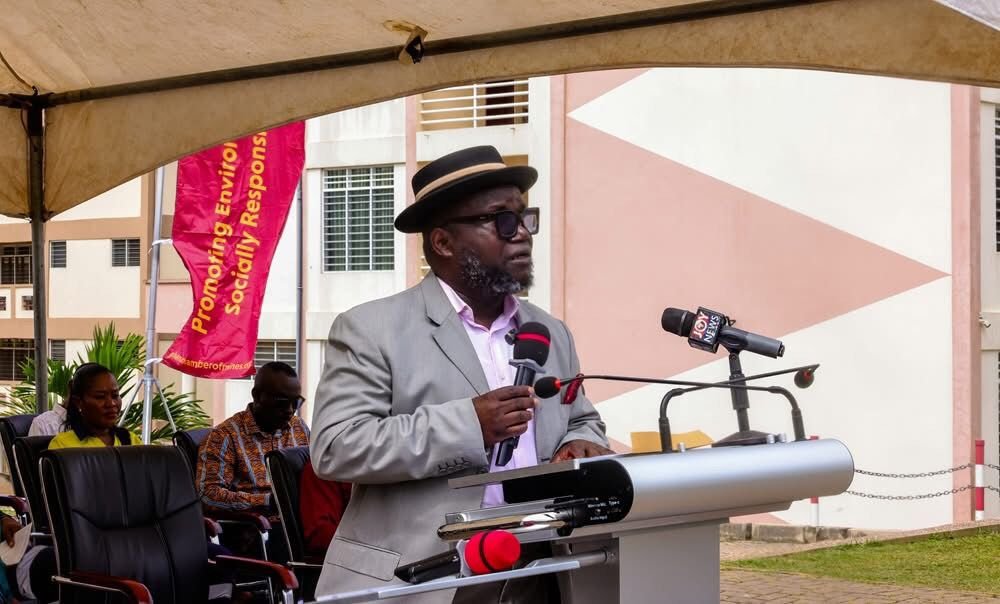
    Chief Executive Officer (CEO) of the Ghana Chamber of Mines, Ing. Kenneth Ashigbey

    The Chamber of Mines boss explained that the global influx of digital innovations within mining operations presents a unique sweet spot for Ghana’s rapidly growing local tech ecosystem.
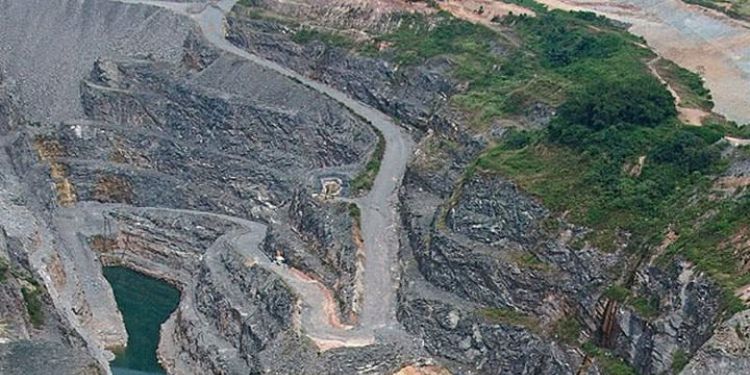
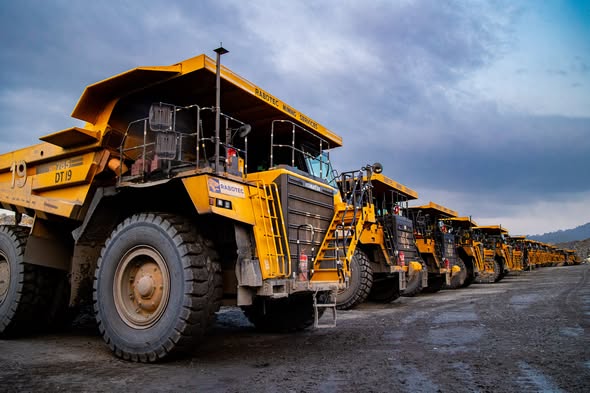
    Mining Site

    He observed that Ghanaian youth are already demonstrating immense ingenuity by building robust, cutting-edge enterprises within the digital arena, making them prime candidates to drive this industrial revolution.

    By deliberately reorienting the minds of these tech-savvy young entrepreneurs toward the specific systemic operational needs and logistical gaps within the extractive sector, the nation can catalyze homegrown solutions.

    This targeted alignment, he noted, will empower local developers to design, test, and manufacture tailored mining technologies right at home, paving the way for sustainable resource wealth preservation.

    Bridging the Digital Divide and Cultivating Local Ingenuity

    To fully capitalize on these mineral resource endowments, Ghana must consciously look beyond traditional physical extraction and aggressively embrace the digital value chain.

    When young tech developers shift their focus to mining solutions, they create custom software, automated tracking protocols, and data analytic dashboards engineered to optimize mine safety and industrial efficiency.

    This structural reorientation effectively plugs the domestic digital gap by transferring modern technological fluencies from urban tech hubs directly to mining communities.
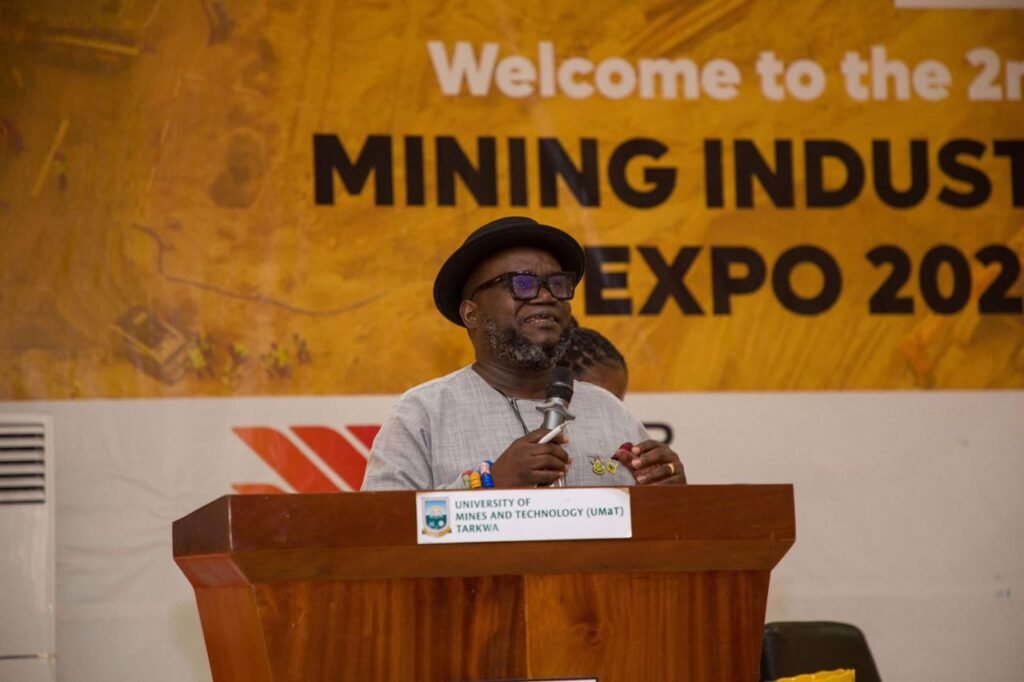
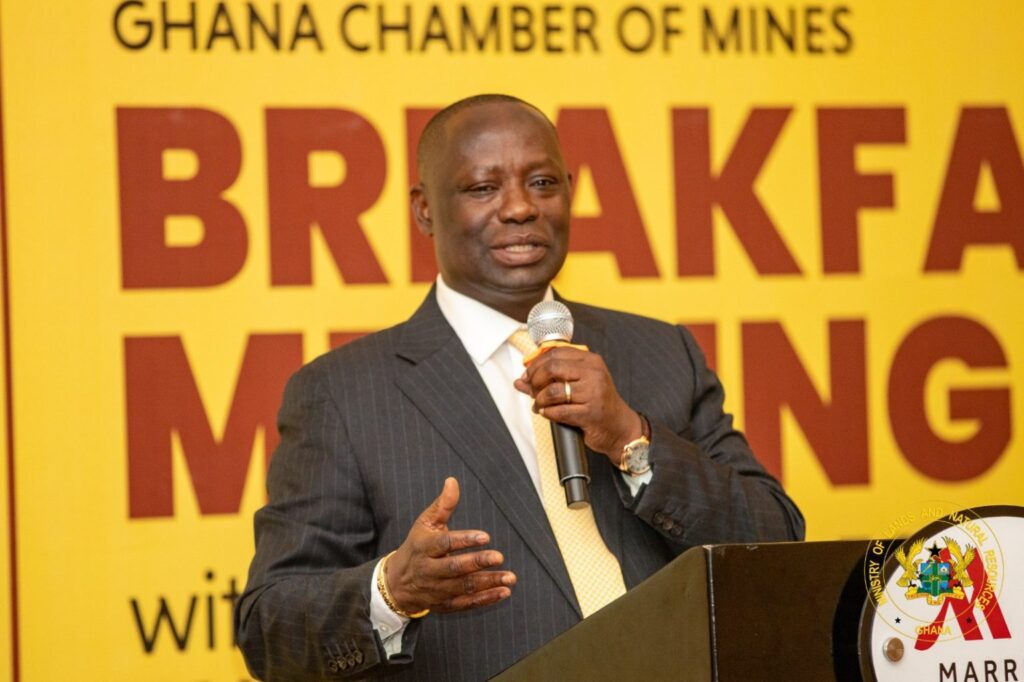
    Ing. Ken Ashigbey

    Consequently, this prevents the historic over-reliance on expensive foreign tech suppliers and ensures that the financial wealth generated from technological servicing remains within the local economy, creating specialized, high-paying jobs for Ghanaian youth.

    Furthermore, integrating advanced tech allows for safer operations through automated machinery and predictive maintenance.

    By training local talent to manage these systems, Ghana builds a resilient workforce capable of handling modern industrial challenges.

    This foundational shift not only upgrades the skill set of the local labor pool but also fosters an ecosystem where technological innovation becomes a primary driver of extractive efficiency, making the industry cleaner, safer, and substantially more profitable.

    Driving Regional Integration and Global Supply Dominance

    The domestic production of mining software and hardware solutions does not just serve local operations; it serves as a launchpad for broader geopolitical economic influence across the continent.

    Ing. Ashigbey noted that the goal is to help young people develop these technologies back home in Ghana so “that they can supply to the mining industry, not only in Ghana, but in West Africa and globally.”

    As the West African sub-region intensifies its mineral exploration and development, a technologically self-reliant Ghana can position itself as the primary technological exporter and services hub for neighboring nations.

    This outward-looking strategy scales local tech businesses onto the global stage, exponentially diversifying Ghana’s export revenue streams from raw minerals to high-value digital intellectual property and technical consultancies.

    Mining Site

    By establishing a robust supply network that serves international markets, Ghanaian tech firms can secure vital foreign exchange inflows.

    This positioning elevates the country’s status from a passive resource exporter to an active, dominant player in the global mining technology supply chain.

    Sustaining Value Retention and Escalating National Income

    For decades, African mining has suffered from severe capital flight due to the heavy importation of heavy machinery, specialized analytical software, and foreign technical expertise.

    By incubating a local digital supply tier, the country keeps a substantial portion of the mining procurement budget within its borders, directly addressing the core objective of strategic mining value retention.

    Advanced tools like predictive maintenance algorithms, remote sensing, and real-time geological mapping can be entirely built and managed by Ghanaian firms.

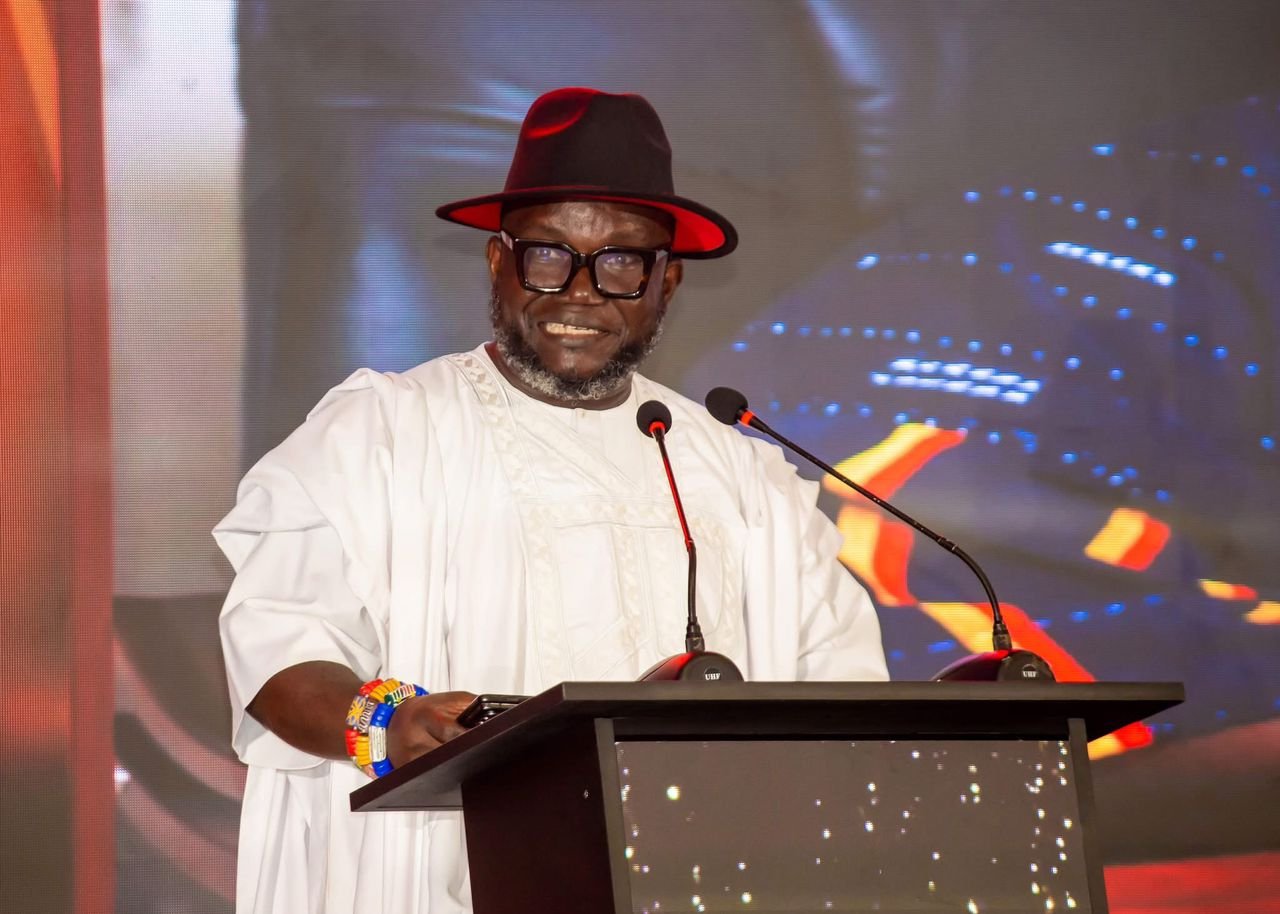
    Dr. Kenneth Ashigbey, the Chief Executive Officer of the Ghana Chamber of Mines.

    Ultimately, this comprehensive integration across the entire mining value chain provides the sustainable economic buffer required to elevate Ghana into a premium, first-income tier country.

    Retaining this critical capital allows the government to reinvest in vital infrastructure, healthcare, and education, creating a self-sustaining cycle of economic growth.

    Through digital modernization, Ghana can redefine its relationship with its natural resources, ensuring that the true value of its mineral wealth is realized and enjoyed by its citizens for generations to come.

  • Trade, Finance Policies Must Build Synergies with Mining – Ken Ashigbey

    Trade, Finance Policies Must Build Synergies with Mining – Ken Ashigbey

    Ing. Kenneth Ashigbey, the Chief Executive Officer of the Ghana Chamber of Mines, has called for an urgent alignment of the nation’s trade, financial, and mineral policies to transform the mining sector from an isolated extraction industry into a comprehensive economic driver.

    Speaking at the Mining for Development Forum (MDF) under the theme “Strategic Mining: Value Retention and Development,” Ashigbey explained that Ghana can no longer view mineral extraction in a vacuum if it truly desires sustainable economic transformation.

    He emphasized that for the country to maximize value retention, the central bank and trade ministries must construct deliberate frameworks that support local procurement, protect domestic capital, and create a seamless environment where mining resources directly stimulate secondary and tertiary sectors of the economy.

    “But when you’re going to do this, there has to be synergies, not only in mining, not only in your trade policy, it even goes to your finance policy. How does Bank of Ghana do it in such a way that when you export these talents, they are able to then bring their monies back in and they know that they will be able to get some interest on that? Because if you don’t make that attractive, then you don’t get to benefit from that.”

    Ing. Kenneth Ashigbey

    Ing.  Ashigbey noted that achieving true national development requires looking at the entire mining value chain and designing policies with a clear “end game” in mind.

    Ing. Fred Attakumah, President of Ghana Chamber of Mines

     He argued that Ghana’s historic and current development frameworks ranging from Kwame Nkrumah’s industrialized plans to recent initiatives like the “Ghana Beyond Aid” agenda and the proposed “24-hour economy” must be intentionally synchronized with the extractive sector.

    To reverse Ghana’s vulnerability as an import-dependent nation, Ashigbey asserted that the state must leverage the vast financial resources and consistent demand generated by large-scale mining operations to anchor domestic agriculture and industrial manufacturing.

    Leveraging Mining as an Anchor for Agro-Industrialization

    To effectively utilize the extractive sector as an economic catalyst, Ghana must strategically position its mining companies as guaranteed “anchor clients” for domestic industries.

    Under developmental pillars such as the “Grow24” initiative, the primary challenge has always been identifying sustainable, well-funded demand to back agricultural industrialization.

    The mining industry represents a massive, cash-backed consumer base that can absorb locally manufactured goods, provided the right trade policies are enforced.

    A prime example lies in the production of activated carbon; a critical material used extensively in gold processing to recover gold from cyanide solutions.

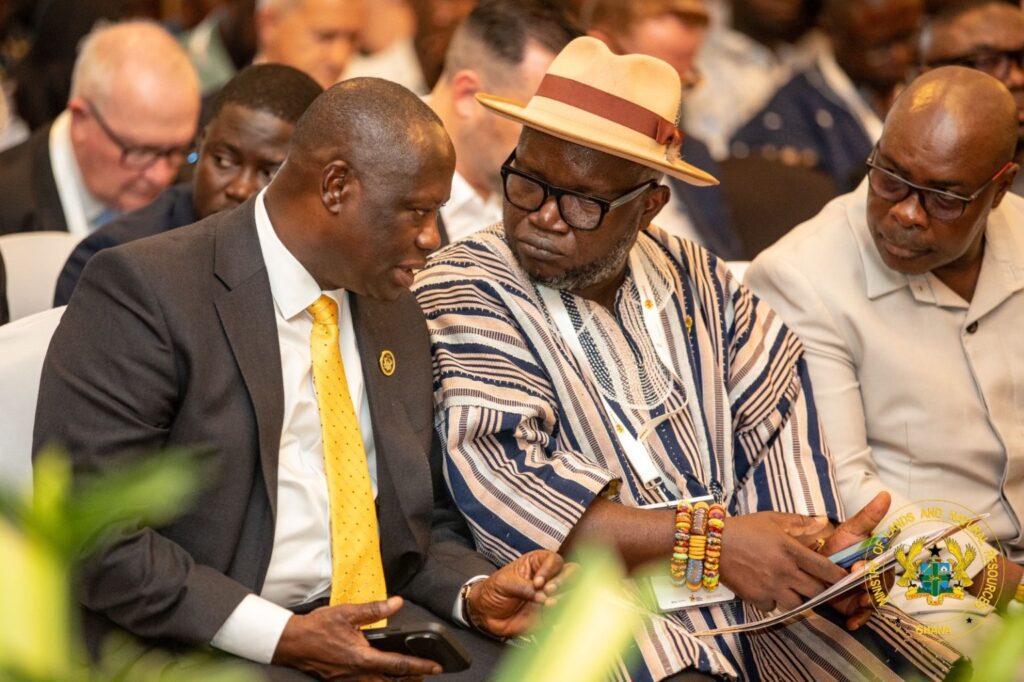
    Lands Minister with Chamber of Mines CEO

    Currently, Ghana imports significant quantities of this material, yet the raw components such as coconut shells and palm wastes are abundant locally.

    By deliberately developing domestic palm and coconut plantations to feed processing plants, Ghana can create a robust agro-industrial value chain.

    Furthermore, because geology is not limited to borders and spans across the entire West African sub-region, a highly developed Ghanaian activated carbon industry would not only serve local mines but could also position the country as a primary exporter to neighboring gold-producing nations.

    The ‘Build, Borrow, and Buy’ Framework for Human Capital

    A core component of Ashigbey’s blueprint for value retention involves a systematic approach to human resource development through what he terms the “build, borrow, and buy” framework.

    For decades, African nations have struggled with the reality of foreign multinationals dominating the technical and highly lucrative nodes of the mining value chain.

    Ing. Kenneth Ashigbey, the Chief Executive Officer of the Ghana Chamber of Mines.

    To correct this imbalance, Ghana must clearly identify which technical elements and engineering solutions local professionals can build independently, where strategic partnerships are required to borrow expertise, and when it remains economically viable to buy external services.

    By prioritizing the “build” aspect, the country can intentionally cultivate a elite class of local engineers, geologists, and mineral economists capable of managing complex modern operations.

    This intentional human capital development increases domestic productivity and changes the narrative from merely hosting mines to exporting high-value intellectual labor.

    As these highly skilled Ghanaian mining talents are deployed to manage operations across the continent, they become a vital source of diaspora knowledge and financial inflows, effectively turning human expertise into a major export commodity.

    Harmonizing Fiscal Regulations and Value Retention

    The true success of exporting local talent and retaining mining wealth hinges directly on progressive monetary policies managed by central authorities.

     If the Bank of Ghana fails to create attractive, flexible financial instruments, local experts earning foreign exchange abroad will choose to keep their capital in offshore accounts, depriving the home economy of vital liquidity.

    Mining site

    Ing. Ashigbey insists that financial regulators must establish competitive frameworks, offering attractive interest rates and seamless repatriation mechanisms that incentivize citizens to reinvest their earnings back into Ghana’s banking system.

    When fiscal regimes, trade directives, and mining codes operate in silos, the state loses significant portions of its mineral wealth to capital flight and import leakages.

    Conversely, an integrated approach ensures that the billions of dollars circulating within the extractive sector remain within the local economy to fund infrastructure, stabilize the national currency, and fuel cross-sector growth.

    By building these cross-sector synergies, Ghana can successfully pivot away from its historical role as a raw material exporter and finally achieve its long-term developmental agenda.

  • Ken Ashigbey Backs Calls for Mining Revenue Management Act to Drive Community Dev’t

    Ken Ashigbey Backs Calls for Mining Revenue Management Act to Drive Community Dev’t

    Ing. Kenneth Ashigbey, CEO of the Ghana Chamber of Mines has thrown his full support  for the calls for the enactment of a dedicated Mining Revenue Management Act to ensure that mineral wealth translates into tangible development for host communities.

    Mirroring the structure and oversight provided by the Petroleum Revenue Management Act, this proposed legislation aims to institutionalize the channelling of mining proceeds directly into local infrastructure, education, and healthcare projects.

    “Just as we have the Petroleum Revenue Management Act, we should also have the Mining Revenue Management Act, that is really important, so that we are able to direct where resources go. I just want to reiterate that in 2025, Goldfields, Anglo Gold, Eduaprim, and then Ghana Manganese, paid 5.1 billion cedis to GRE in form of taxes.”

    Ing. Kenneth Ashigbey, CEO of the Ghana Chamber of Mines

    The current fiscal landscape often leaves mining-affected areas struggling with underdevelopment despite the billions of cedis generated annually by large-scale operators. In 2025 alone, industry giants like Goldfields, AngloGold, and Ghana Manganese contributed 5.1 billion cedis in taxes, yet a significant portion of this revenue remains inaccessible for local community investment.

    Ing. Kenneth Ashigbey

    By establishing a formal management framework, the government could move away from centralized spending and toward a model that guarantees a larger, ring-fenced share of royalty’s proposals suggest up to 30 percent dedicated specifically to the needs of the communities where these minerals are extracted.

    “We need to make sure that we structure, and I agree completely with Dr. Pupulampo when he talks about the fact that we need to structure the way we’re spending our money so that part of that money goes into these communities to be able to then develop the community, be able to bring infrastructure into the community, be able to bring some work, you know.”

    Ing. Kenneth Ashigbey, CEO of the Ghana Chamber of Mines

    Bridging the Gap for Host Communities

    The proposed Act is designed to cure the chronic issue of “fragmented” royalty distribution that currently sees only a small fraction of funds reaching local assemblies.

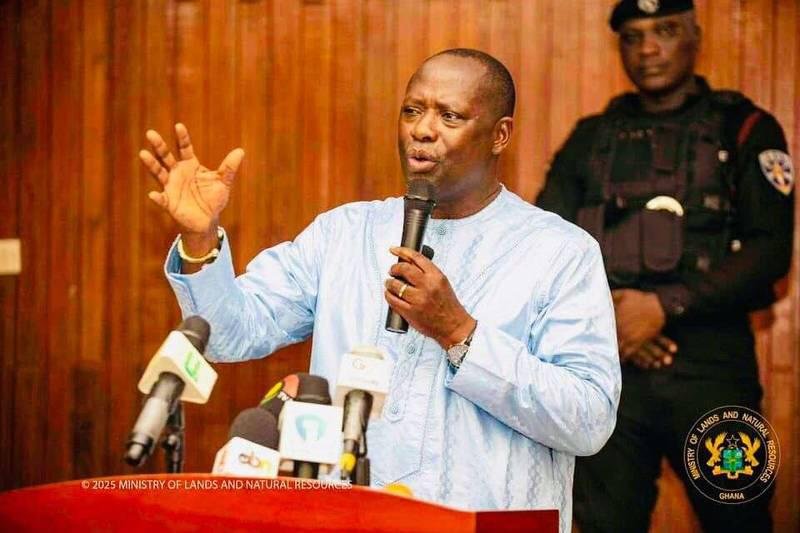
    Hon. Emmanuel Armah-Kofi Buah, Minister for Lands and Natural Resources and Acting Minister for Environment, Science and Technology

    Under the current system, royalty payments are often absorbed into broader government expenditure, leaving communities with little to show for the environmental and social impacts of mining.

    Ing. Ashigbey emphasizes that a legislative fix would force a “laser” focus on strategic regional development. Instead of funds dissipating, they would be anchored in industrialization projects, medical infrastructure, and educational advancements.

    This ensures that when a mine eventually ceases operations, the community is not left with only “holes and all of that,” but rather a sustainable economic base.

    Dr. Kenneth Ashigbey, the Chief Executive Officer of the Ghana Chamber of Mines.

    Formalizing Small-Scale Mining and Restoration

    Beyond large-scale operations, the Act would play a critical role in formalizing the artisanal and small-scale mining sector.

    By bringing these miners into a structured system, the government can ensure that they, too, contribute to community development funds.

    Ing. Ken Ashigbey

    This transition is essential for environmental stewardship; currently, the burden of land restoration often falls on the Minister for Lands and Natural Resources to fund through scarce state revenue.

    If small-scale operators are brought into the formal fold, their contributions could fund proactive land reclamation, ensuring that local ecosystems are protected rather than abandoned after extraction.

    Creating Lasting Economic Legacies

    The push for a new Act is also about creating a blueprint for “the second coming” of mining towns a reference to communities that have survived past mining cycles and must now reinvent themselves.

    Ing. Ashigbey highlights the transformative potential of using mine expenditure to foster local capacity.

    Ing. Kenneth Ashigbey, the Chief Executive Officer of the Ghana Chamber of Mines.

    He points to examples where mining companies have successfully mentored local service providers such as those once focused on rudimentary chainsaw services and transformed them into national-level contractors capable of competing for major road and infrastructure projects.

    This strategy of local procurement and skill-building, backed by a robust legislative framework for revenue management, could finally ensure that Ghana’s mineral wealth secures a prosperous future for the people in its mining heartlands.

  • Chamber of Mines Calls for Collaboration to Achieve Sustainable Mining Fiscal Framework

    Chamber of Mines Calls for Collaboration to Achieve Sustainable Mining Fiscal Framework

    Chief Executive Officer of the Ghana Chamber of Mines,Ing. Kenneth Ashigbey, has spearheaded a strategic advocacy for a redesigned fiscal regime that balances aggressive investment attraction with robust state revenue mobilization.

    This call for a consultative “pull back” aims to assemble a high-level technical committee of experts to recalibrate the existing and newly passed royalty structures, specifically targeting a “sweet spot” that prevents capital flight while ensuring the sovereign state benefits from the current bullish gold market.

    By advocating for a collaborative re-evaluation of how royalties are levied, the Chamber seeks to move away from rigid taxation toward a dynamic, sliding-scale model that can withstand the inherent volatility of global metal prices.

    “So we find out that in, so our call that we’re making is that let’s pull back, let’s come together around the table again, bring all the experts that are involved, let’s all look at that.  What is the best sliding scale so far as gold, metals, revenues are concerned? How do we do that in such a way that we are able to ensure that some Ghanaians who are beginning to start mining.”

    Ing. Kenneth Ashigbey
    Hon. Emmanuel Armah-Kofi Buah, Lands Minister

    This proposed engagement is rooted in the necessity of creating a predictable economic environment that encourages both the expansion of existing brownfield projects and the birth of new indigenous mining ventures.

    A harmonized fiscal framework is viewed as the primary catalyst for extending the “life of mine” for several key operations, which in turn secures long-term employment for thousands of Ghanaians and sustains the local supply chain.

    The Chamber’s stance emphasizes that while the government requires immediate liquidity to manage the national economy, an overly burdensome tax regime during price peaks could stifle the very reinvestment needed to guarantee “sustainable income” for the state over the next several decades.

    The Architecture of a Balanced Sliding Scale

    Ing. Ken Ashigbey

    The crux of the Chamber’s proposal lies in the implementation of a sophisticated sliding-scale royalty system tailored to the realities of modern extraction costs.

    Under the current gold price environment, there is a risk that “short-term effects” might lead to reactionary fiscal policies; instead, Ing. Kenneth Ashigbey suggests a framework where the government “maximizes revenues” when prices are high, but provides enough breathing room when the “price of gold is at a low point” to prevent mine closures.

    This elasticity is critical for projects like the Obuasi Mine redevelopment, which operates on a complex 10-year developmental plan.

    For massive capital-intensive projects, the “payback period for the investment” is the primary metric used by international financiers.

    If the fiscal framework is too rigid, the risk premium rises, making it difficult for operators to “raise those capitals” necessary for deep-level mining or technological upgrades.

    By refining the sliding scale, the industry can ensure that when the “great mines” of Ghana perform well, the windfall is shared equitably, providing the state with the fiscal space to fund national development without killing the “goose that lays the golden egg.”

    Empowering Indigenous Players and Small-Scale Growth

    Ing. Kenneth Ashigbey

    A significant portion of the Chamber’s advocacy focuses on the democratization of the mining sector, specifically ensuring that “Ghanaians who are beginning to start mining” are not priced out of the market before they break ground.

    Junior miners and indigenous firms often struggle with the high cost of entry and the difficulty of attracting foreign direct investment (FDI).

    A collaborative fiscal framework would create a tiered approach that allows “smaller mines to also be able to grow,” transitioning them from artisanal or small-scale operations into mid-tier contributors to the formal economy.

    When local entrepreneurs go out “looking for investment,” the stability of the royalty regime is their strongest selling point.

    A volatile or unpredictable tax environment acts as a deterrent to the “big push” for indigenous participation.

    By stabilizing these costs through expert-led dialogue, the Chamber believes it can foster a new generation of Ghanaian mining magnates who can contribute to “creating a lot of jobs” and deepening the local content footprint within the extractive value chain.

    A Synergistic Outcome for the State and Industry

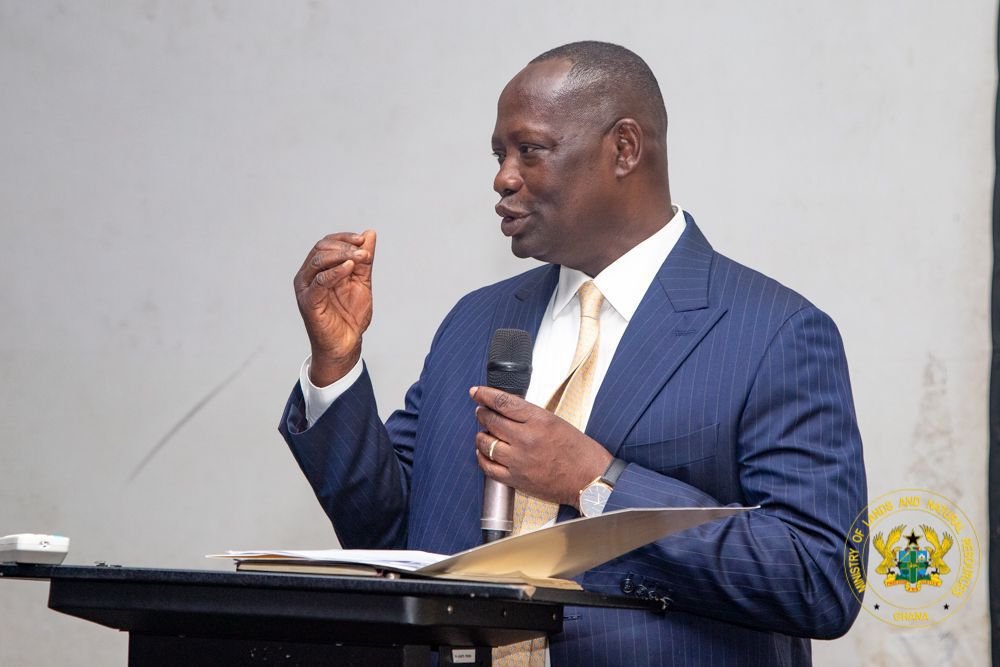
    Lands Minister, Hon. Emmanuel Armah-Kofi Buah

    The proposed fiscal recalibration offers a win-win scenario that addresses the divergent needs of the public and private sectors.

    For the Government of Ghana, the benefit is the shift toward “sustainable income” rather than erratic, one-off windfalls. By participating in this dialogue, the state gains access to technical data from the “great mines,” allowing for more accurate revenue forecasting and a reduction in tax disputes.

    This transparency ensures that the “necessary revenue” is raised to support the national budget while maintaining Ghana’s reputation as a premier mining destination in Africa.

    For the mining industry, the reward is the “expansion of the mines” and the ability to “extend their life of mine.”

    This longevity is the bedrock of corporate social responsibility and environmental land reclamation efforts.

    When companies have the fiscal certainty to plan 20 years into the future, they invest more heavily in local infrastructure and human capital.

    As Ing. Kenneth Ashigbey notes, the goal is to ensure that “every engagement engenders a lot more investment,” creating a virtuous cycle where high productivity leads to high revenue, effectively transforming the extractive sector into a permanent pillar of Ghanaian prosperity.