• About
  • Advertise
  • Privacy Policy
  • Contact
Wednesday, September 9, 2026
  • Login
The Vaultz News
  • Top Stories
  • News
    • General News
    • Education
    • Health
    • Opinions
  • Economics
    • Economy
    • Finance
      • Banking
      • Insurance
      • Pension
    • Securities/Markets
  • Business
    • Agribusiness
    • Vaultz Business
    • Extractives/Energy
    • Real Estate
  • World
    • Africa
    • America
    • Europe
    • UK
    • USA
    • Asia
    • Around the Globe
  • Innovation
    • Technology
    • Wheels
  • Entertainment
  • 20MOBPL2DNew
  • Jobs & Scholarships
    • Job Vacancies
    • Scholarships
No Result
View All Result
The Vaultz News
  • Top Stories
  • News
    • General News
    • Education
    • Health
    • Opinions
  • Economics
    • Economy
    • Finance
      • Banking
      • Insurance
      • Pension
    • Securities/Markets
  • Business
    • Agribusiness
    • Vaultz Business
    • Extractives/Energy
    • Real Estate
  • World
    • Africa
    • America
    • Europe
    • UK
    • USA
    • Asia
    • Around the Globe
  • Innovation
    • Technology
    • Wheels
  • Entertainment
  • 20MOBPL2DNew
  • Jobs & Scholarships
    • Job Vacancies
    • Scholarships
No Result
View All Result
The Vaultz News
No Result
View All Result
in America, USA

Rise in “unbanked” US families due to Covid-19

thevaultzby thevaultz
October 20, 2020
Reading Time: 3 mins read
Add as Preferred on Google
Image: Getty Images

Image: Getty Images

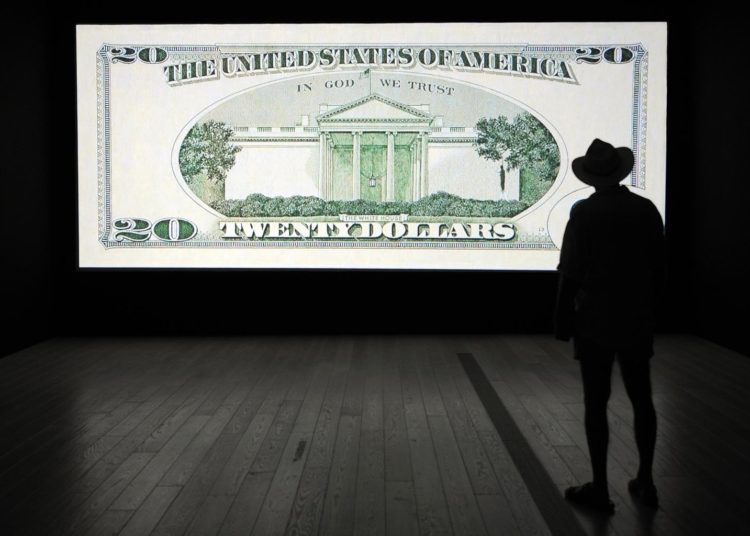
The Federal Deposit Insurance Corporation (FDIC), a United States banking regulator has warned that after years of increasing access to banking, many poorer Americans will struggle to keep a foothold in the banking sector due to the economic fallout from the coronavirus pandemic.

The new report from the FDIC found that in 2019, just 5.4 percent of Americans lacked a chequing or savings account, the lowest level recorded in the decade-old survey.

But the watchdog group warned that economic havoc created by the pandemic could push many struggling Americans, who were already “hovering at the fringes, out of the traditional banking system altogether.”

“The COVID-19 pandemic is likely to contribute to a rise in the rate of unbanked households,” the FDIC said in its report, noting that banking access usually tracks the broader health of the economy.

The 2019 record low came after years of steady economic gains, and the previous high for unbanked households was in 2011, amid the previous recession. The most frequently cited reason for not having a bank account is insufficient funds to meet account minimums.

ADVERTISEMENT

The regulator said it could not predict how many people would lose access to bank accounts or be otherwise financially harmed as a result of the pandemic, but flagged some concerning vulnerabilities. In 2019, 35.8 percent of households reported not saving for unexpected expenses or emergencies. Among unbanked populations, that number was significantly higher, with 74 percent reporting they were not able to build up emergency savings.

Complaints to the Consumer Financial Protection Bureau between March and July suggest many Americans are already being pushed to the edge of the financial system by the pandemic.

Between March and April, reports flagging problems such as impaired credit, foreclosure threats and aggressive debt collection tactics jumped 50 percent from the same period a year ago, according to an analysis by the Frontier Group and the United States Public Interest Research Group (US PIRG).

Furthermore, the FDIC found banking activities more commonly relied upon by rural populations and by people with volatile incomes, such as cash transactions and branch visits, had been hindered by lockdowns and vendors limiting the use of bills.

Having a bank account is a critical foothold to building wealth. Those without accounts pay significantly more for basic services, such as cashing cheques and making payments – a problem far more likely to affect communities of colour. Around 14 percent of Black households and 12 percent of Hispanic ones were unbanked, compared with three percent for whites.

ADVERTISEMENT

“Millions of Americans – and families of colour in particular – remain outside the mainstream banking system and are missing the economic opportunities that come from having a bank account,” said Rob Nichols, CEO of the American Bankers Association, which launched an initiative to boost the provision of simple low-cost bank accounts on 19th October.

The 2019 survey found, however, that rapid adoption of new technology is expanding access to financial services. Mobile banking more than doubled as the primary means of accessing a bank account from 2017, and 31 percent of households reported using a person-to-person payment service like PayPal or Venmo.

ADVERTISEMENT

Sign Up to Our Newsletter

Fresh updates, Straight to your inbox

Please login to join discussion
Previous Post

President Akufo-Addo launches agriculture census report to monitor progress on sector

Next Post

Sudan sees economic hope as Trump announces terror list removal

Related Posts

U.S Treasury Department symbol.
USA

US Targets Iranian Airlines With Sanctions

September 8, 2026
Canada's Prime Minister, Mark Carney as Trump’s Auto Tariffs Gnaw Away US-Canada Bond
USA

Canada’s Retaliatory Tariffs On US Imports Take Effect

September 8, 2026
Trump Tax Bill To Widen Deficits By $2.8T After Factoring In Economic Impacts
USA

Bessent Hails Trump’s Worker Policies In Labour Day Message

September 7, 2026
U.S Treasury Department symbol.
USA

US Sanctions Turkish Bank Over Iran Ties

September 4, 2026
ADVERTISEMENT

Sign Up to Our Newsletter

Fresh updates, Straight to your inbox

ADVERTISEMENT

Recent News

Hon. 𝐉𝐞𝐫𝐫𝐲 𝐀𝐡𝐦𝐞𝐝 𝐒𝐡𝐚𝐢𝐛.,𝐄𝐬𝐪

Weija Gbawe MP Alleges Incompetence in Government ‘s Gold Management

September 9, 2026
The Weija Dam

Weija Dam Spillage: GWCL Warns Downstream Communities Of Rising Risks

September 9, 2026
Lands Minister at Shandong Gold

Ghana Seeks To Replicate Shandong Gold Green Mining Operations Model

September 9, 2026
Ghana’s Bond Market Takes Major Hit as Turnover Collapses By 68%

Ghana’s Bond Market Takes Major Hit as Turnover Collapses By 68%

September 9, 2026
Graduate Unemployed Nurses and Midwives' Association (GUNMA)

GUNMA Reject Voluntary Service Proposal by the Ministry of Health

September 9, 2026
ADVERTISEMENT
Next Post
Image: Getty Images

Sudan sees economic hope as Trump announces terror list removal

The Vaultz News

Copyright © 2025 The Vaultz News. All rights reserved.

Navigate Site

  • About
  • Advertise
  • Privacy Policy
  • Contact

Follow Us

Welcome Back!

Login to your account below

Forgotten Password?

Retrieve your password

Please enter your username or email address to reset your password.

Log In
No Result
View All Result
  • Top Stories
  • News
    • General News
    • Education
    • Health
    • Opinions
  • Economics
    • Economy
    • Finance
      • Banking
      • Insurance
      • Pension
    • Securities/Markets
  • Business
    • Agribusiness
    • Vaultz Business
    • Extractives/Energy
    • Real Estate
  • World
    • Africa
    • America
    • Europe
    • UK
    • USA
    • Asia
    • Around the Globe
  • Innovation
    • Technology
    • Wheels
  • Entertainment
  • 20MOBPL2D
  • Jobs & Scholarships
    • Job Vacancies
    • Scholarships

Copyright © 2025 The Vaultz News. All rights reserved.

This website uses cookies. By continuing to use this website you are giving consent to cookies being used. Visit our Privacy and Cookie Policy.