
• About
  • Advertise
  • Privacy Policy
  • Contact
Tuesday, July 14, 2026
  • Login
The Vaultz News
  • Top Stories
  • News
    • General News
    • Education
    • Health
    • Opinions
  • Economics
    • Economy
    • Finance
      • Banking
      • Insurance
      • Pension
    • Securities/Markets
  • Business
    • Agribusiness
    • Vaultz Business
    • Extractives/Energy
    • Real Estate
  • World
    • Africa
    • America
    • Europe
    • UK
    • USA
    • Asia
    • Around the Globe
  • Innovation
    • Technology
    • Wheels
  • Entertainment
  • 20MOBPL2DNew
  • Jobs & Scholarships
    • Job Vacancies
    • Scholarships
No Result
View All Result
The Vaultz News
  • Top Stories
  • News
    • General News
    • Education
    • Health
    • Opinions
  • Economics
    • Economy
    • Finance
      • Banking
      • Insurance
      • Pension
    • Securities/Markets
  • Business
    • Agribusiness
    • Vaultz Business
    • Extractives/Energy
    • Real Estate
  • World
    • Africa
    • America
    • Europe
    • UK
    • USA
    • Asia
    • Around the Globe
  • Innovation
    • Technology
    • Wheels
  • Entertainment
  • 20MOBPL2DNew
  • Jobs & Scholarships
    • Job Vacancies
    • Scholarships
No Result
View All Result
The Vaultz News
No Result
View All Result
in Extractives/Energy

EU Slashes 18% Gas Imports as Consumption Slumps 

Prince Agyapongby Prince Agyapong
April 30, 2025
Reading Time: 5 mins read
EU LNG

EU LNG

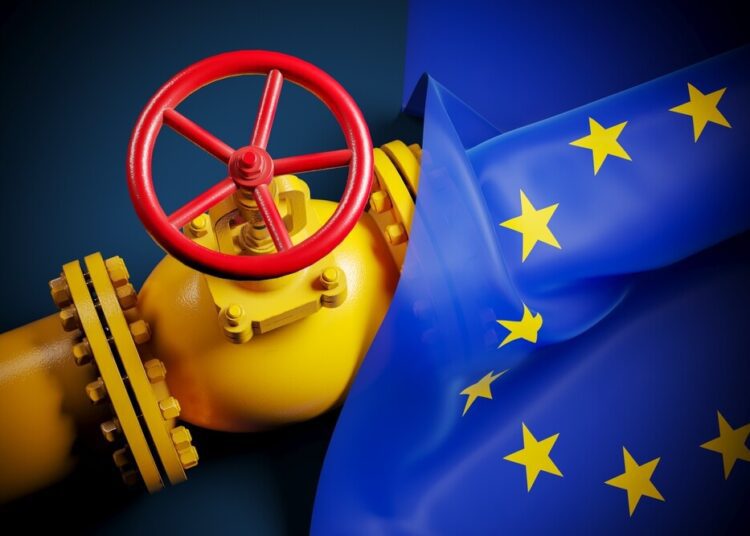
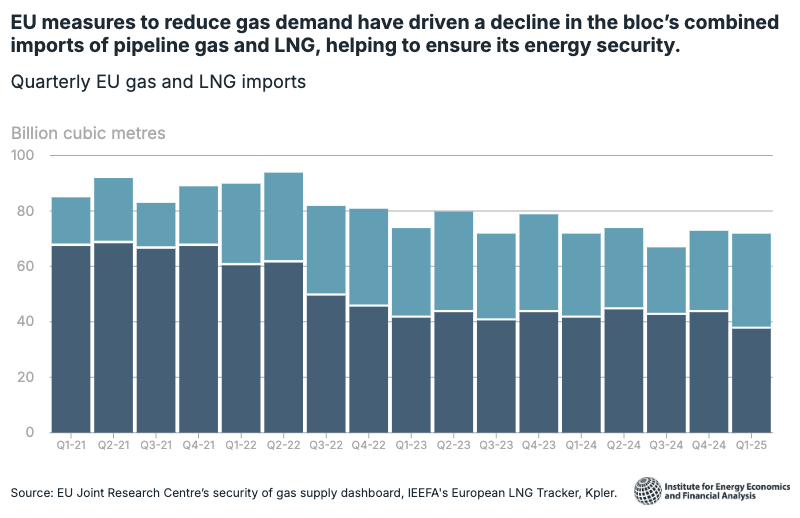
The European Union (EU) has cut its combined pipeline gas and liquefied natural gas (LNG) imports by 18% between 2021 and 2024, tracking closely with a 20% slump in gas consumption, according to a new analysis from the Institute for Energy Economics and Financial Analysis (IEEFA).  

The findings, released Wednesday via IEEFA’s EU Gas Flows Tracker, reflect a broader shift in the bloc’s energy dynamics as it pivots from fossil fuels toward renewables. 

The report paints a mixed picture. While the EU has made substantial gains in reducing overall gas usage and diversifying its supply sources, its reliance on Russian gas has not entirely ended, with imports via Türkiye increasing in early 2025 despite the cessation of Russian gas transit through Ukraine. 

“EU countries’ reliance on gas pipeline imports and LNG shipments means they are exposed to geopolitical issues and supply disruptions.

“However, they have mitigated this dependence by curbing gas consumption, diversifying import sources, shifting gas flows and installing more renewables.” 

Ana Maria Jaller-Makarewicz, lead energy analyst for Europe at IEEFA

The 18% decline in gas and LNG imports is attributed primarily to a concerted reduction in gas demand across EU member states.  

ADVERTISEMENT

From 2021 to 2024, consumption fell by 20%, driven by a mix of energy-saving policies, rising energy efficiency, and accelerated adoption of renewable technologies and heat pumps. 

This strategic demand-side reduction has enabled the EU to resist expanding gas infrastructure while still meeting energy needs.  

Jaller-Makarewicz said that if the bloc maintains its course, it could eliminate the need for new gas import facilities altogether. 

“Investing to accelerate renewable energy and heat pump installations will further boost the EU’s energy security and reduce the impact of volatile gas prices on businesses and households.” 

Ana Maria Jaller-Makarewicz, lead energy analyst for Europe at IEEFA

EU Shift Supply Sources in Q1 2025  
EU Gas Flows Tracker

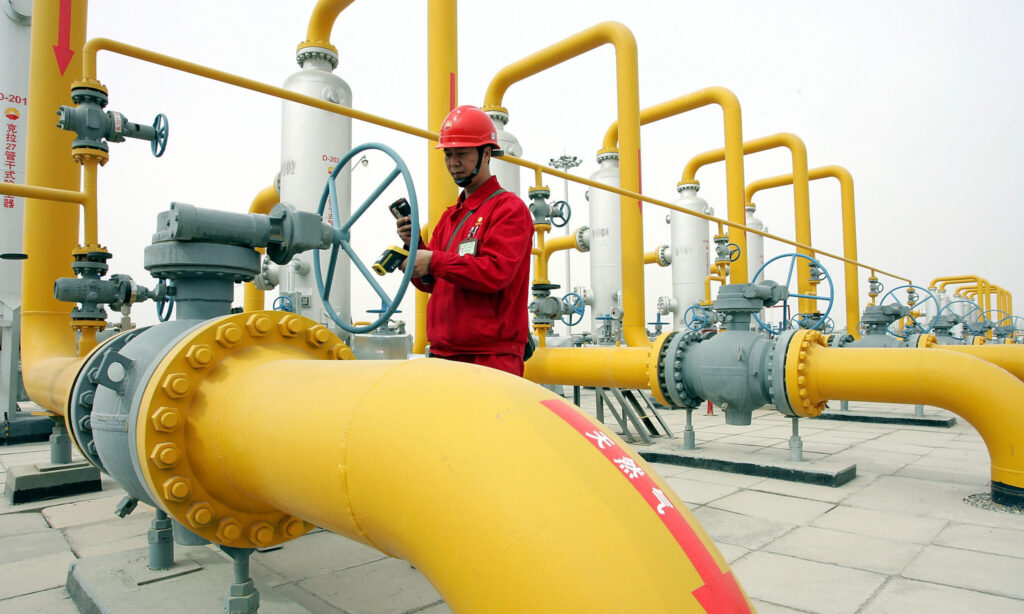
Following the end of Russian gas transit via Ukraine on 1 January 2025, the EU experienced a short-term rise in LNG imports in Q1 2025.  

ADVERTISEMENT

However, overall gas and LNG imports remained relatively stable, registering a 1% year-on-year decline from Q1 2024 and holding flat compared to the same quarter in 2023. 

The report highlighted that Norway has now emerged as the largest supplier, accounting for 30% of the EU’s gas and LNG imports in Q1 2025, followed by the United States (25%), Russia (14%), and Algeria (13%). 

The significant role of Norway and the US signals a successful diversification strategy that gained momentum after Russia’s invasion of Ukraine in 2022. Yet, despite this progress, the EU’s energy system remains partially intertwined with Russian flows. 

ADVERTISEMENT

Russian Gas Still Flowing — via Türkiye 
Russia LNG
Russia LNG

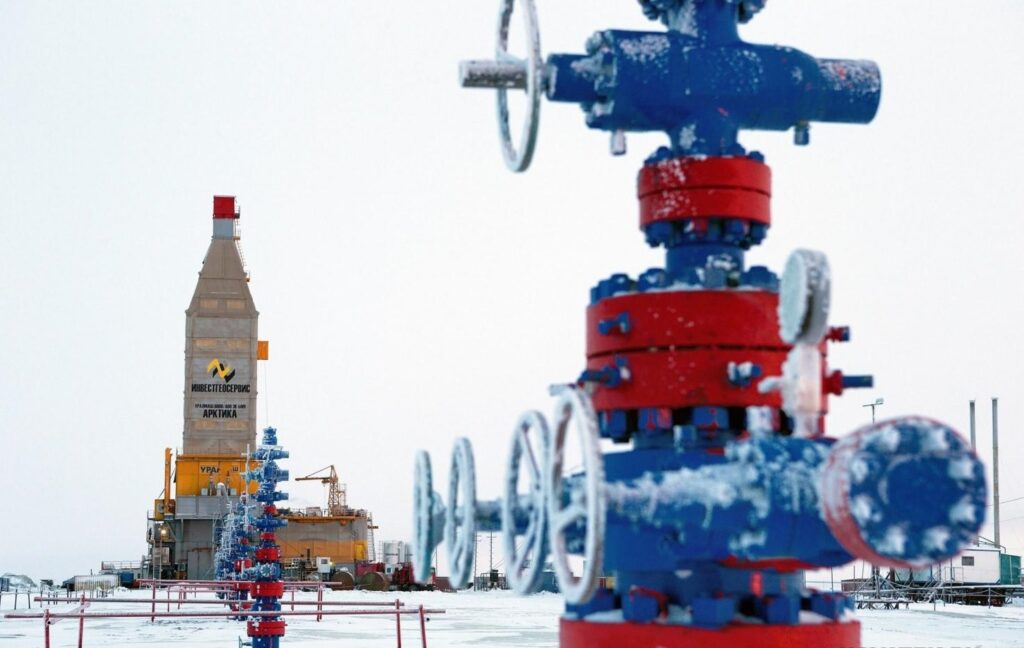
While transit through Ukraine has ended, Russian gas imports into the EU rose by 19.5% in 2024, largely due to increased shipments via Türkiye.  

In the first quarter of 2025, Russian pipeline deliveries via Türkiye rose by 16% compared to the previous year. 

This re-routing illustrates the complexity of fully phasing out Russian energy, even as political commitments intensify.  

The EU is preparing to release a new energy roadmap on May 6, 2025, which will outline the bloc’s updated strategy for eliminating Russian fossil fuel imports by 2027. 
U.S. LNG imports
LNG imports

“The new roadmap will be critical in defining how the EU balances geopolitical risks, energy security, and decarbonization.

“The IEEFA’s data tools are designed to help policymakers track these trends and adjust their strategies accordingly.” 

Ana Maria Jaller-Makarewicz, lead energy analyst for Europe at IEEFA

The IEEFA’s EU Gas Flows Tracker complements its existing LNG monitoring tools and provides granular, real-time insight into pipeline dynamics and cross-border gas movements.  

It revealed how internal gas flows within the EU have shifted dramatically in the wake of reduced Russian dependence and changing demand profiles. 

The tool will be updated regularly and is aimed at energy policymakers, analysts, and businesses navigating the evolving energy landscape in Europe. 

The ongoing evolution of cross-border gas flows illustrates not only the challenges faced by the EU but also the resilience and adaptability inherent in its drive toward a sustainable and secure energy future. 

READ ALSO: Fitch Projects 4.2% Growth for Ghana’s Economy Backed by Gold 

ADVERTISEMENT

Sign Up to Our Newsletter

Fresh updates, Straight to your inbox

Tags: EU Gas ImportsEuropean energy securityIEEFA Report 2025LNG Imports EuropeRussian Gas Dependency
ShareTweetShareSendSend
Please login to join discussion
Previous Post

UESD-MasterCard Foundation Collaboration Launches Bold 10-Year Job Creation Plan

Next Post

GAB CEO Calls for Rethink in Pension Investment Strategy

Related Posts

Mr. Isaac Tandoh, Minerals Commission CEO
Extractives/Energy

Ghana Advance Steps Toward Redefining Its Mining Future

July 14, 2026
Minerals Commission with Tanzania Delegation
Extractives/Energy

MinCom Targets Human Capital Development, Structural Reforms in Enhancing Mineral Governance

July 14, 2026
CEO Dr Toni Aubynn of the Petroleum Hub Development Corporation and Qatar's Al Kaabi Holding Group exchange signed Memoranda of Understanding during a ceremony in Accra, marking a new phase of cooperation to advance Ghana's Petroleum Hub initiative and attract strategic investment into the downstream petroleum sector.
Extractives/Energy

Ghana’s Petroleum Hub Signs MoU with Qatari Investor

July 13, 2026
Illegal mining site
Extractives/Energy

Mining Activities Banned in Nweneso to Halt Environmental Destruction

July 13, 2026
ADVERTISEMENT

Sign Up to Our Newsletter

Fresh updates, Straight to your inbox

ADVERTISEMENT

Recent News

Seal of United States Central Command.svg

US Strikes Iran Again Amid Hormuz Strait Standoff

July 14, 2026
Basic School Children   in Ghana receiving instructions from their teacher

One in Three Districts in Ghana Faces Severe Teacher Shortages, Report

July 14, 2026
CalBank Profit Soars 25% to GHS353.6 Million in Strong First Half Performance CalBank PLC has delivered an impressive financial performance for the first half of 2026, posting a remarkable 25 percent increase in Profit Before Tax (PBT) to GHS353.6 million. The outstanding results highlight the bank's successful strategic transformation and underline its growing strength as one of Ghana's leading financial institutions. The latest figures show that Profit Before Tax climbed from GHS283.2 million in the corresponding period of 2025 to GHS353.6 million, driven by robust growth across the bank's core business operations. The performance reflects improvements in lending, customer deposits, fee based services, trading income, and overall operational efficiency. Unlike previous periods where earnings were significantly supported by impairment recoveries, CalBank's latest results demonstrate that its profitability is now being powered largely by the strength of its underlying banking business. Core Banking Business Drives Exceptional Earnings One of the biggest highlights of the first half performance was the remarkable growth in net interest income, which surged by 83 percent to GHS347.5 million. The increase came despite a relatively lower interest rate environment. Interest income rose from GHS399 million to GHS451.5 million as the bank continued expanding its earning assets. At the same time, funding costs fell sharply, with interest expenses dropping from GHS209 million to GHS104 million. This significant reduction in funding costs improved the bank's profitability and demonstrated stronger balance sheet management. CalBank also recorded exceptional growth from non interest income sources as it continued diversifying its revenue streams. Net fees, commissions, and trading income almost doubled, rising by 99 percent to GHS323.3 million from GHS162.7 million during the same period last year. The strong performance reflects increased customer activity across the bank's retail, commercial, and corporate banking segments. The diversified earnings profile places CalBank in a stronger position to withstand changing market conditions while maintaining sustainable profitability. Stronger Earnings Quality Boosts Investor Confidence Perhaps the most significant aspect of CalBank's results is the improved quality of its earnings. During the first half of 2025, impairment recoveries contributed approximately GHS154 million to profits. However, in the latest reporting period, impairment gains accounted for only GHS7 million. This means the overwhelming majority of profits were generated through normal banking operations rather than one off recoveries. The shift highlights the success of management's transformation strategy and provides greater confidence that future earnings will remain sustainable. Industry analysts often view recurring operating income as a stronger indicator of long term financial health than exceptional gains. Assets and Deposits Record Strong Expansion CalBank also recorded significant growth in its balance sheet during the period. Total assets expanded by 30 percent to GHS13.9 billion from GHS10.7 billion recorded at the end of June 2025. Customer deposits increased by the same margin, rising to GHS10.9 billion. The growth in deposits reflects increasing customer confidence in the bank's brand, improved service delivery, and expanding retail and commercial banking operations. Higher deposits also provide the bank with a stable funding base to support future lending and business expansion. The figures reinforce CalBank's growing position within Ghana's competitive banking industry. Bad Loans Decline Dramatically One of the most remarkable achievements during the first half of the year was the dramatic improvement in asset quality. The bank's Non Performing Loan ratio dropped sharply to 10.10 percent from an exceptionally high 51.60 percent recorded at the end of June 2025. The improvement reflects the successful execution of CalBank's balance sheet remediation programme and disciplined credit risk management practices. A healthier loan portfolio reduces future credit losses while creating additional room for prudent loan growth. The significant decline in bad loans also strengthens investor confidence and enhances the bank's overall financial stability. Capital Position Strengthens After Recapitalisation Following its successful recapitalisation in 2025, CalBank has continued strengthening its financial foundation. Its Capital Adequacy Ratio improved dramatically to 18.17 percent from a negative 7.6 percent recorded a year earlier. The turnaround highlights the success of the bank's recapitalisation efforts and demonstrates its renewed financial resilience. Strong liquidity levels further position the bank to support customers, finance new business opportunities, and meet future regulatory requirements with confidence. The improved capital position also creates greater flexibility for expansion while protecting shareholders against unexpected financial shocks. Management Confident of Even Better Results Commenting on the results, Managing Director Carl Selasi Asem described the first half performance as clear evidence that CalBank's transformation strategy is producing sustainable financial outcomes. He said the bank had achieved strong growth across its core businesses while improving funding efficiency, strengthening profitability, enhancing asset quality, reinforcing its capital base, and expanding its balance sheet. Mr. Asem stressed that the latest earnings were driven by the strength of the bank's underlying operations rather than one time recoveries, reinforcing the quality and sustainability of the results. Looking ahead, he expressed confidence that the momentum built during the first half would enable CalBank to deliver an even stronger performance during the remainder of 2026. Management says the bank remains committed to disciplined execution of its strategic priorities, strengthening customer relationships, maintaining prudent risk management, and creating sustainable long term value for shareholders. CalBank's Transformation Continues to Deliver CalBank's latest financial performance paints the picture of a bank that has successfully rebuilt its foundations and is entering a new phase of sustainable growth. With rising profits, stronger capital, expanding customer deposits, healthier assets, and significantly lower bad loans, the bank appears well positioned to compete aggressively within Ghana's banking sector. As economic conditions continue to improve, CalBank's focus on operational excellence and disciplined execution could make 2026 one of the strongest years in the institution's recent history. READ ALSO: GSE Opens Week with Explosive Trading Activity CalBank Profit Soars 25% to GHS353.6 Million in Strong First Half Performance

CalBank Profit Soars 25% to GHS353.6 Million in Strong First Half Performance

July 14, 2026
Foster Buabeng (CEO/Fund Administrator)

Teachers’ Fund Directs Members to Verify Names Across Official Records

July 14, 2026
GSE Opens Week with Explosive Trading Activity

GSE Opens Week with Explosive Trading Activity

July 14, 2026
ADVERTISEMENT
Next Post
GAB CEO Calls for Rethink in Pension Investment Strategy

GAB CEO Calls for Rethink in Pension Investment Strategy

The Vaultz News

Copyright © 2025 The Vaultz News. All rights reserved.

Navigate Site

  • About
  • Advertise
  • Privacy Policy
  • Contact

Follow Us

Welcome Back!

Login to your account below

Forgotten Password?

Retrieve your password

Please enter your username or email address to reset your password.

Log In
No Result
View All Result
  • Top Stories
  • News
    • General News
    • Education
    • Health
    • Opinions
  • Economics
    • Economy
    • Finance
      • Banking
      • Insurance
      • Pension
    • Securities/Markets
  • Business
    • Agribusiness
    • Vaultz Business
    • Extractives/Energy
    • Real Estate
  • World
    • Africa
    • America
    • Europe
    • UK
    • USA
    • Asia
    • Around the Globe
  • Innovation
    • Technology
    • Wheels
  • Entertainment
  • 20MOBPL2D
  • Jobs & Scholarships
    • Job Vacancies
    • Scholarships

Copyright © 2025 The Vaultz News. All rights reserved.

This website uses cookies. By continuing to use this website you are giving consent to cookies being used. Visit our Privacy and Cookie Policy.