Britain is confident that the European Commission will give the go-ahead to its new migration returns arrangement with France, according to Home Secretary Yvette Cooper. The announcement comes a day after Prime Minister Keir Starmer and French President Emmanuel Macron jointly unveiled the pilot agreement, which would see some migrants crossing the Channel in small boats returned to France.
Speaking on Friday, Cooper explained that she expects the plan to be approved soon despite France stating the deal must first be legally ratified by European Union authorities before implementation can begin. “We’ve been talking to the EU commissioners,” Cooper noted, adding that conversations with other European governments and interior ministers have also been ongoing.
The proposed arrangement would mark the first time France has agreed to take back individuals who arrive in the UK via unauthorized Channel crossings. In return, Britain has pledged to accept a number of asylum seekers currently in France, particularly those who can demonstrate a family connection to the UK. Though welcomed by both governments as a sign of strengthened post-Brexit cooperation, the plan has raised several unanswered questions.
“The French interior minister and I have been speaking about this, to develop this, since October of last year,” Cooper explained, underscoring the length of the discussions.
“The EU commissioners have been very supportive. So that is why we have designed this in a way to work, not just for the UK and France, but in order to fit with all their concerns as well.”
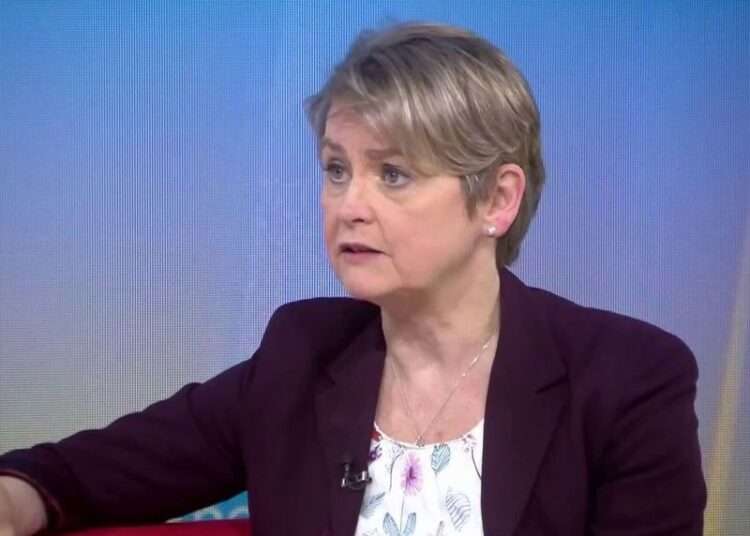
Home Secretary Yvette Cooper
However, she refrained from predicting how individual EU member states such as Spain, Italy, Malta, Cyprus, and Greece would respond to the pilot. These Mediterranean countries have previously voiced concerns that new migration deals risk encouraging further irregular migration into southern Europe.
UK-France Return Scheme Still Faces Legal Scrutiny
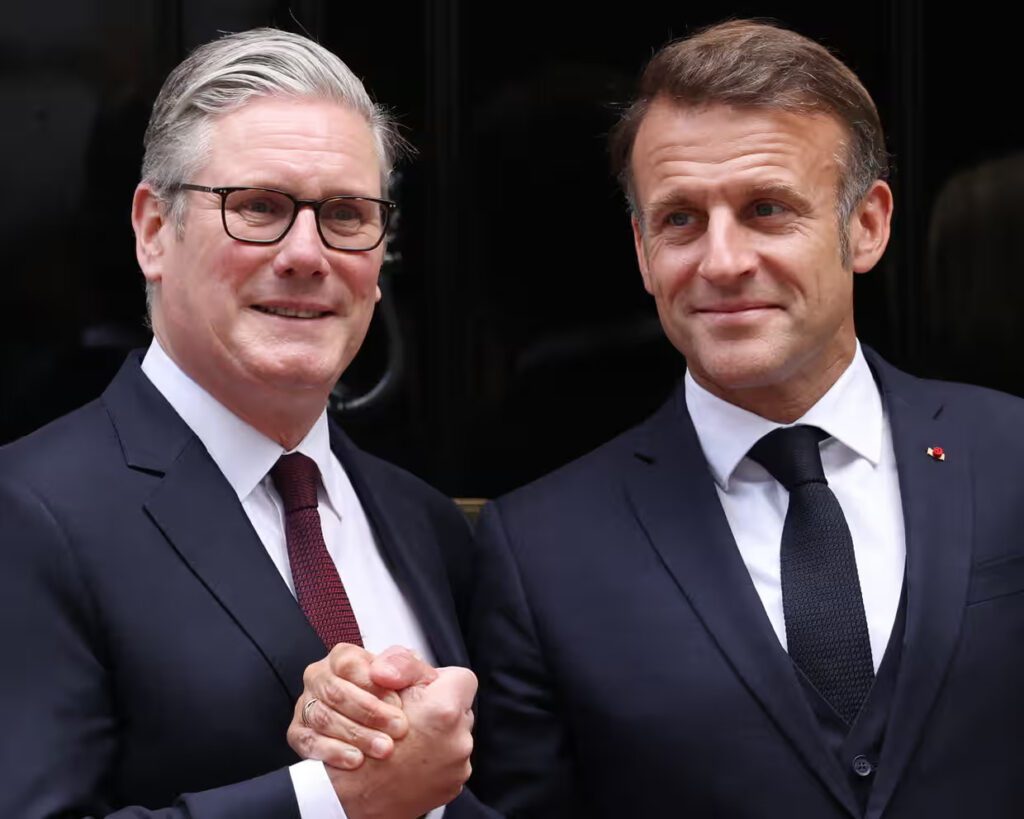
The UK-French pilot deal was revealed at the close of a three-day state visit by President Macron, intended to mark a new era of bilateral ties following years of Brexit tensions. Under the scheme, UK immigration authorities will select a limited number of irregular arrivals to be sent back to areas of France away from the northern coast. At the same time, Britain would receive asylum applicants already based in France who have familial ties in the UK.
Despite the diplomatic fanfare, specifics remain vague. Neither Cooper nor Starmer has committed to figures, though it has been widely reported that the pilot may initially involve just 50 people per week—a figure representing roughly 6% of weekly arrivals via the Channel.
“We’re actually not fixing the ultimate figures, either for the pilot or for any further phases,” Cooper said when pressed on the numbers. Government officials have yet to explain how migrants will be selected for return or where exactly in France they will be resettled.
Critics have questioned the plan’s efficacy as a deterrent. Chris Philp, the shadow home secretary, argued that the numbers involved are insufficient. “The numbers will be tiny … We will be allowing 94% of illegal immigrants to remain in the UK, which is no deterrent whatsoever,” Philp said, suggesting that the pilot risks being more symbolic than practical.

As the UK seeks to reduce the number of dangerous Channel crossings, often orchestrated by smuggling networks, the hope is that this pilot scheme can evolve into a broader bilateral model. But its success, for now, hinges on approval from the European Commission and acceptance by other EU partners.
The EU’s stance is expected to be clarified in the coming weeks, as discussions continue in Brussels and national capitals. Until then, the future of the pilot remains in a legal and diplomatic holding pattern.
READ ALSO: Energy Ministry Assures Nation Of No Dumsor Amid ENI Upgrade