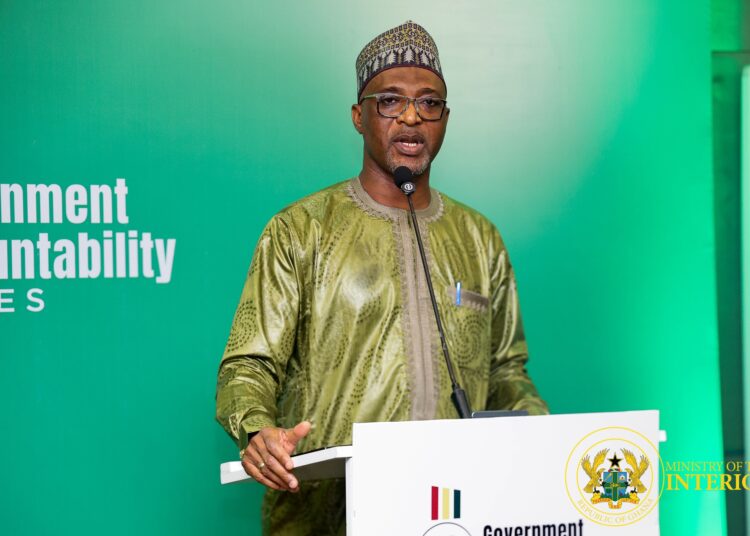
At the first edition of the Government Accountability Series organised by the Presidency Communications, Ghana’s Minister for the Interior, Hon. Mohammed Muntaka Mubarack, presented a compelling overview of ongoing reforms and interventions in the country’s prison system.
In a speech marked by both frank assessments and optimistic policy direction, the Minister outlined efforts aimed at improving prison infrastructure, enhancing inmate rehabilitation, and encouraging public-private partnerships to support the country’s overstretched correctional system.
A key highlight of his presentation was the successful implementation of a juvenile and secondary education initiative by the Ghana Prisons Service.
This program, according to the Minister, is designed to provide continuity in education for young offenders and adult inmates alike.
“Education remains one of the most transformative tools, and the Ghana Prisons Service has taken a bold step to ensure that juveniles and other inmates are not denied this opportunity.”
Minister for the Interior, Hon. Mohammed Mubarak Muntaka
He added that this initiative will help reintegrate ex-inmates into society with skills and qualifications that reduce their chances of reoffending.
New Correctional Facility
Further underscoring the Ministry’s commitment to reform, Hon. Muntaka announced the completion of the Damango Correctional Facility.
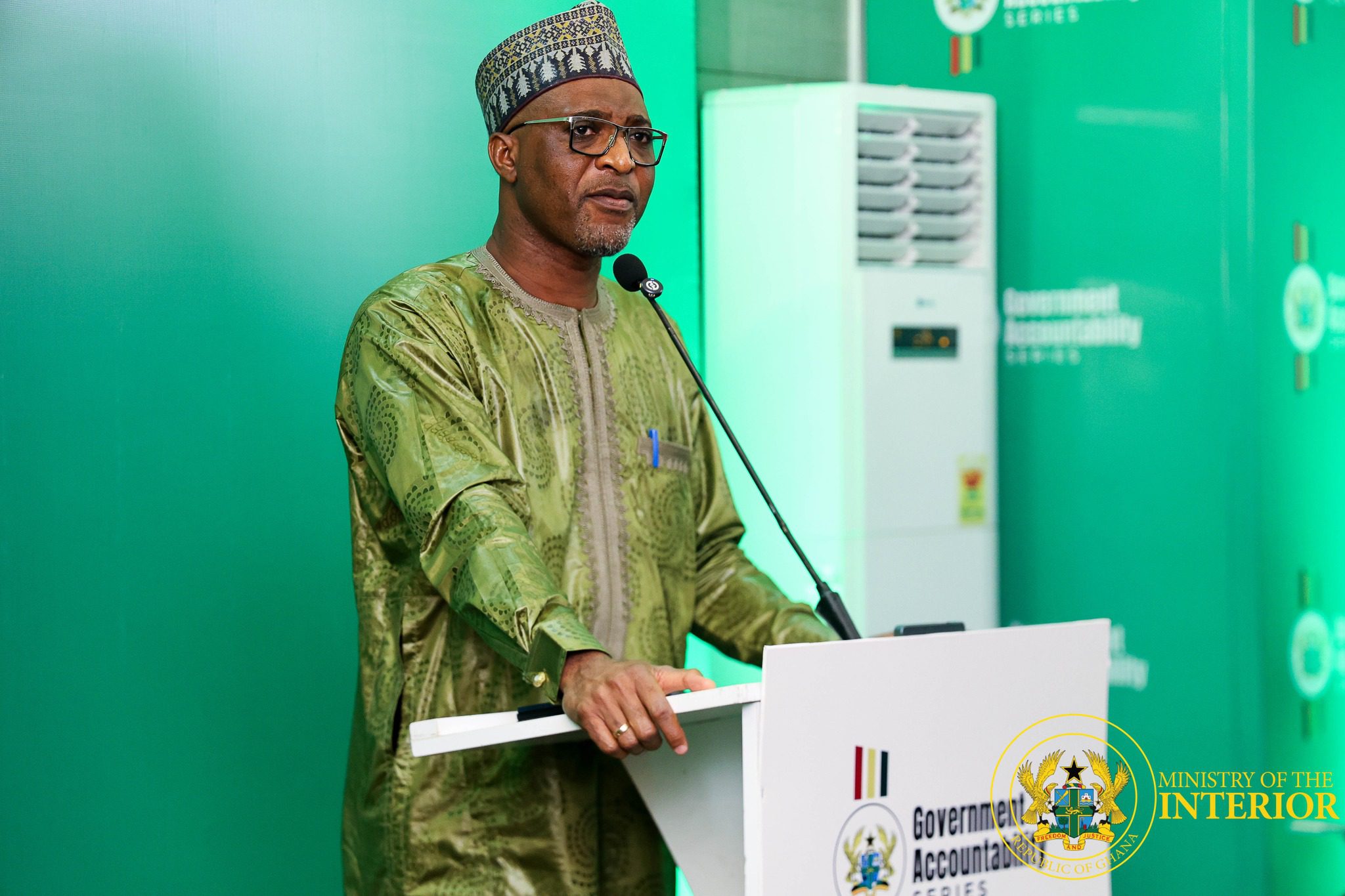
He noted that the new facility adds to the country’s correctional infrastructure and contributes to reducing the overcrowding that has plagued many of Ghana’s prisons for years.
“With the opening of the Damongo Correctional Facility, we are seeing tangible progress in efforts to improve living conditions for inmates and provide more humane environments for rehabilitation.”.
Minister for the Interior, Hon. Mohammed Mubarak Muntaka
The Minister extended heartfelt gratitude to The Church of Pentecost for its remarkable support to the Ghana Prisons Service, citing the recent completion of the Damango facility—now the fifth correctional centre supported by the church.
“If a church could come to the aid of the Ghana Prisons Service this much, I want to take this opportunity to encourage all of us—citizens, individuals, businesses, and corporate organisations—to come to the aid of our security services.”.
Minister for the Interior, Hon. Mohammed Mubarak Muntaka
Inadequate Feeding Grants for Inmates
Hon. Muntaka stressed that the prisons face significant challenges in managing the approximately 14,000 inmates currently in custody, many of whom are foreign nationals. He raised concerns over the woefully inadequate feeding budget allocated for inmates.
“As you may be aware, the feeding allocation for inmates is pegged at GHS1.80 —less than two cedis per day. This is simply unacceptable”.
Minister for the Interior, Hon. Mohammed Mubarak Muntaka
According to the Minister, such constraints place an enormous burden on prison administrators and compromise the dignity and well-being of inmates.
In a bid to alleviate some of these systemic issues, Hon. Muntaka revealed that the Ministry has secured funding for a 5,000-layer poultry project.
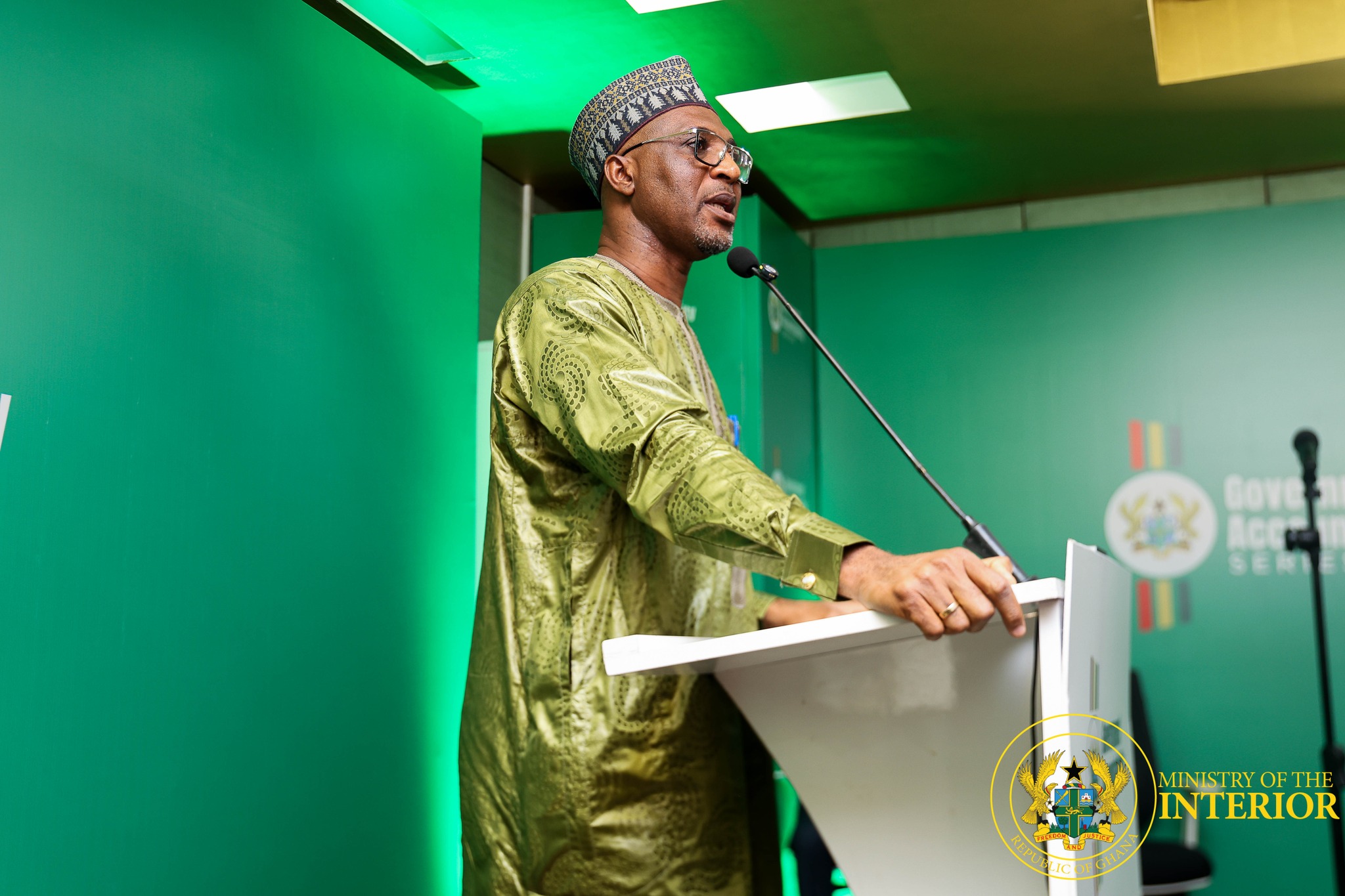
This initiative, he explained, would not only contribute to food security within the prisons but also serve as a vocational training avenue for inmates.
Agricultural support is also being expanded through the supply of farming equipment and inputs to the prison service. These investments, Hon. Muntaka noted, are expected to improve self-sufficiency and generate internal resources to support operations.
Innovative Programs
Beyond physical infrastructure and food security, the Interior Minister highlighted innovative programs being drafted to align prison operations with the government’s broader economic vision. “The service has also commenced drafting a proposal to contribute to the 24-Hour Economy initiative,” he disclosed.
While details of this proposal remain in development, the Minister hinted at how the prison service could engage in productive ventures around the clock, creating jobs and reducing costs through internal productivity.
According to the Minister, digital transformation also forms part of the reform agenda, disclosing that a digital literacy program under the One Million Coders initiative is currently being introduced to equip inmates, prison officers, and even their dependents with practical technological skills.
Hon. Muntaka explained that this initiative is designed to “give hope and future-ready skills to those within our correctional system,” ensuring that they are not left behind in the country’s digital economy.
To address the shortage of staff within the prison service, especially for non-custodial duties, the Ministry is also focusing on recruiting support personnel.
“This move will allow trained officers to focus more on core custodial responsibilities, while support staff manage administrative and auxiliary functions”.
Minister for the Interior, Hon. Mohammed Mubarak Muntaka
In summing up, Hon. Muntaka Mubarack reiterated the government’s commitment to ensuring that Ghana’s correctional system is not merely punitive but rehabilitative.

He urged continued collaboration between state actors, civil society, religious institutions, and private entities to build a more just and humane correctional framework.
Through his detailed account, the Interior Minister not only underscored the challenges confronting Ghana’s prison system but also highlighted bold steps being taken to address them.
READ ALSO: Zelenskyy Discusses “Path To Peace” With US Envoy