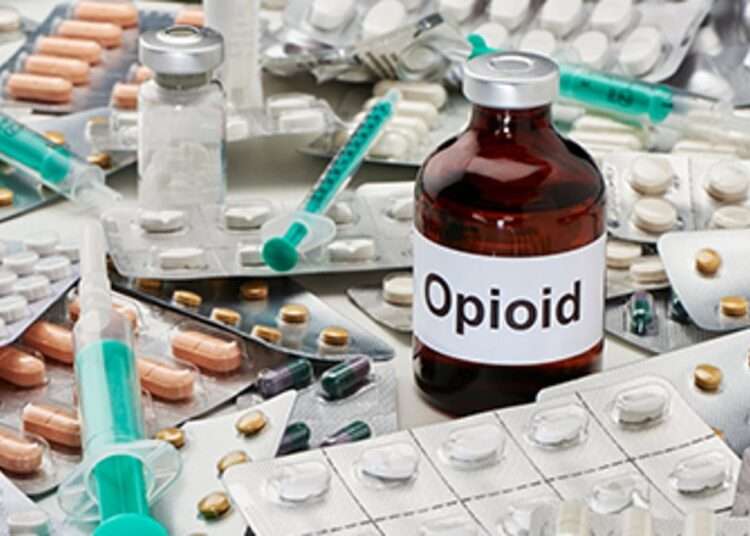
Ghana’s opioid crisis has been spiraling out of control for nearly a decade, leaving experts alarmed at the lack of an effective national response.
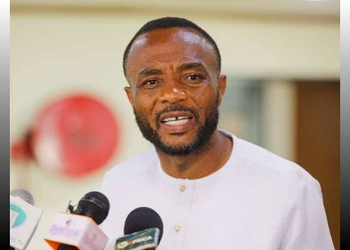
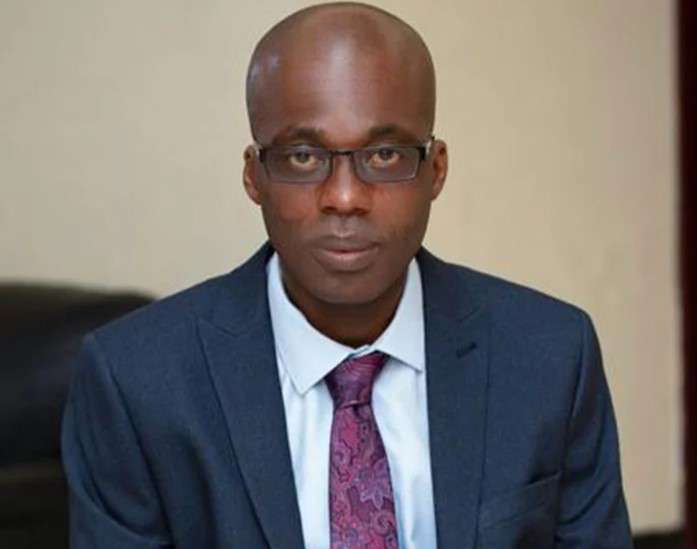
Dr. Kwame Sarpong Asiedu, Health Fellow at CDD-Ghana, has sounded a warning that the country is “failing our youth” in addressing what has become one of the most pressing public health challenges of our time.
After years of advocacy, the crisis has only deepened. According to Dr. Asiedu, the burden has now become too heavy to ignore, as communities continue to grapple with the growing abuse of tramadol and other opioids.
“Since 2015, tramadol abuse has swept through Ghana. High-dose pills (120–250 mg) entered our markets unchecked. By 2020, Parliament passed the Narcotics Control Commission Act to treat drug use as a health issue. Yet five years later, little has changed.
“The reality today: seizures have soared from 8,700 kg in 2020 to nearly 60,000 kg in 2022. Young drivers, students, and labourers turn to tramadol to dull pain and survive harsh conditions.”
Dr. Kwame Sarpong Asiedu
These figures suggest not just an increase in trafficking but also widespread consumption across vulnerable populations.
For many, opioids have become a way to cope with stress, exhaustion, or economic hardship.
Yet the cost to public health and social stability is mounting. Families are left helpless, watching children and breadwinners slip into dependency.
Despite the passage of the Narcotics Control Commission Act, the reforms have not been matched with tangible infrastructure.
Dr. Asiedu stressed that only one harm-reduction centre opened in 2024, an inadequate step given the magnitude of the problem.
Meanwhile, courts continue to punish users instead of directing them to treatment, reflecting a gap between policy intent and implementation.
Ghana Urged To Treat Opioid Crisis As Health Issue
Dr. Kwame Sarpong Asiedu further laid out a clear path forward, insisting that the next twelve months are crucial if the country hopes to avert deeper tragedy. Among his recommendations is the opening of treatment hubs in six major hospitals, each with clear protocols for handling opioid dependence.
He also emphasized the urgent need to make antidotes available in ambulances, pharmacies, and police stations so overdoses can be reversed quickly.
He went further, calling for an expansion of harm-reduction outreach programs. This includes combining opioid treatment with HIV and tuberculosis testing, counselling, and safe spaces for users.
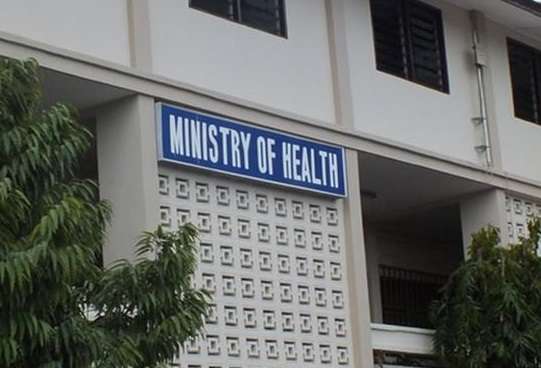
Addressing the supply side is equally critical, as he urged authorities to crack down on illicit tramadol at ports and through online sales, while also ending the open peddling of drugs in markets and communities.
The health fellow also drew attention to the need for prevention and rapid response systems.
“[The country should] protect students, drivers, and market workers with prevention and quick referral; build a national overdose registry so the crisis is tracked in real time; fund a dedicated Opioid Response with NHIS support.”
Dr. Kwame Sarpong Asiedu
These measures, if implemented, could produce significant results within a year. Dr. Asiedu explained that success would mean stabilizing at least 4,000 people on treatment, distributing 10,000 antidote kits within communities, and reducing emergency opioid cases in Accra and Kumasi by at least 30 percent.
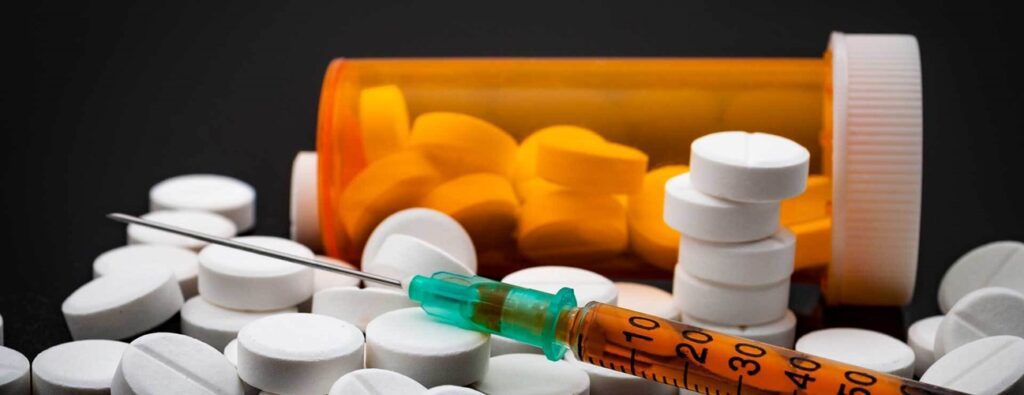
While Ghana has taken steps on paper to address the opioid crisis, implementation remains weak.
“Ghana has the law, but not the action. If we keep waiting, more lives will be lost. It is time to treat opioid dependence as a health crisis and not a crime.”
Dr. Kwame Sarpong Asiedu
The opioid crisis has become a defining test for Ghana’s health sector and policy leadership. The question now is whether the country will muster the political will, resources, and urgency required to confront it head-on.
Without bold, coordinated action, the consequences for the nation’s youth and future could be catastrophic.
The next year, as Dr. Asiedu warned, will be decisive in shaping whether Ghana bends the curve of its opioid crisis—or continues to watch it spiral beyond control.
READ ALSO: Turkey Slams Israel’s Strike On Nasser Hospital As Attack On Press Freedom