


As momentum builds around Ghana’s National Electric Vehicle Policy, energy experts are warning that the country risks overburdening its fragile power grid if it pushes too quickly into full-scale e-mobility adoption.
Dr. Godwin Ayetor, Chair of the Electric Vehicles and Sustainable Mobility Research Group at the Brew-Hammond Energy Centre, cautioned that Ghana’s electricity supply system is not yet robust enough to support the ambitious targets set out in government policy.
Speaking on the country’s e-mobility outlook, Dr. Ayetor stressed that shifting Ghana’s entire transport fleet from petroleum fuels to electricity would come at a high cost to the grid.
“Transitioning Ghana’s entire transport fleet to e-mobility would shift its energy source entirely from gasoline and diesel to electricity.
“A transition to e-mobility would transfer the transport sector’s energy demands from petroleum to the national grid.”
Dr. Godwin Ayetor, Chair of the Electric Vehicles and Sustainable Mobility Research Group
He added, “This poses a significant risk, as it would amplify the current strains on Ghana’s already challenged electrical supply system, potentially exacerbating reliability and capacity issues.”
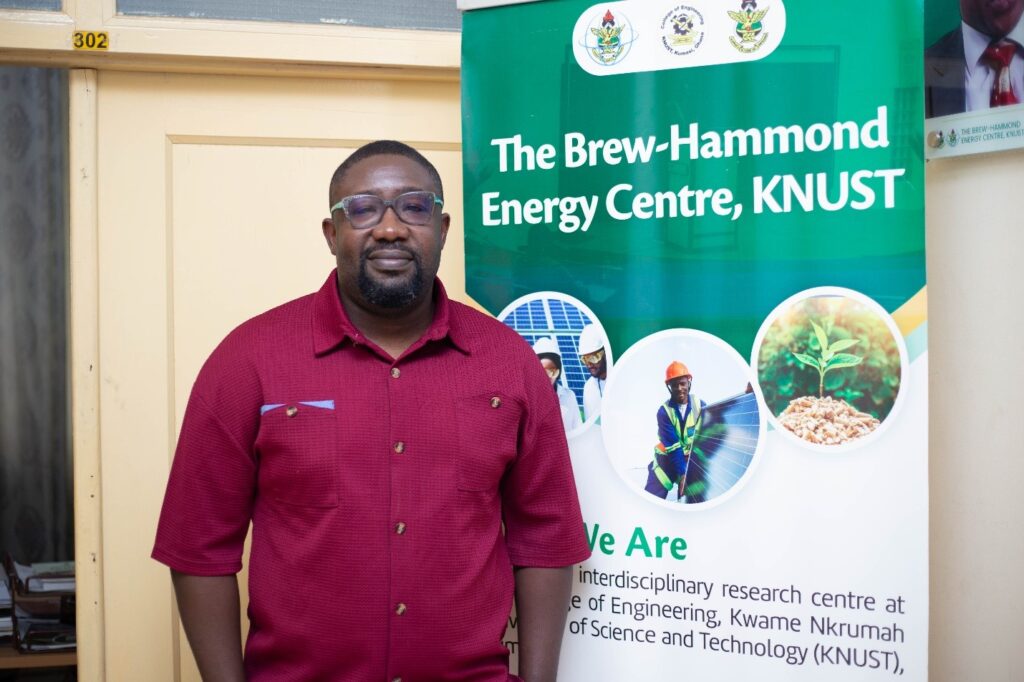
Ghana’s National Electric Vehicle Policy, launched in 2023 by the Ministry of Transport, sets bold timelines: by 2035, 35 percent of all vehicles on the road should be electric, and by 2045, only EVs will be permitted for import.
While the policy demonstrates forward-thinking on sustainability, Dr. Ayetor argued that it demands significant power sector expansion to avoid worsening the country’s ongoing electricity reliability challenges. “We have a national e-mobility policy by the Transport Ministry, which hopes that by 2035, 35 percent of all vehicles in Ghana will be electric,” he said.
“The policy suggests that by 2045, there will be a ban on importing all vehicles except electric vehicles.
“If you look at those projections, we need to grow by over 2 gigawatts of energy annually. Furthermore, this can only be achieved through drastic decisions.”
Dr. Godwin Ayetor, Chair of the Electric Vehicles and Sustainable Mobility Research Group
Currently, Ghana’s total installed electricity generation capacity is slightly above 5 gigawatts, with available capacity often below that figure due to fuel constraints, maintenance issues, and transmission bottlenecks.
Meeting the 2-gigawatt annual growth target would require unprecedented investment in new generation, transmission, and distribution infrastructure.
Building Human Capital for the Transition

Beyond energy supply, Dr. Ayetor highlighted the importance of building technical skills to sustain the transition.
He disclosed that the Electric Vehicles and Sustainable Mobility Research Group has already rolled out training programs to prepare artisans and mechanics for the EV economy. “We have started an artisan program called Electric Vehicle Technician Journeyman Program, where we have a formalised system of training mechanics to become EV technicians. We started last year,” he revealed.
“The competence-based program will train mechanics to become high-voltage electric vehicle technicians.
“Other aspects of the program are also focused on non-engineers involved in transport policy and regulations.”
Dr. Godwin Ayetor, Chair of the Electric Vehicles and Sustainable Mobility Research Group
The program has attracted support from industry players, including Toyota Ghana, Urban E-Mobility Initiative, GIZ, Solar Taxi, Zerosol Ghana, and Smart Watt Company.
These partners provided equipment and worked with the centre to train the first cohort of technicians. The Brew-Hammond Energy Centre is also collaborating with the Ghana Standards Authority to extend the Journeyman Program to all vehicle repair certifications in the country.
Industry Partnerships and Research

Dr. Ayetor underscored the importance of industry collaboration in achieving Ghana’s e-mobility goals. He cited the donation of a charging station by Japan Motors as an example of how private sector players can contribute to building the ecosystem.
“Industry can help with their expertise and charging stations, like the one Japan Motors donated to us.
“They can also support us by donating equipment, vehicles, and funding for our training programs and research.”
Dr. Godwin Ayetor, Chair of the Electric Vehicles and Sustainable Mobility Research Group
Currently, about 30 postgraduate research students at the Brew-Hammond Energy Centre are working on EV-related projects, covering areas from battery technology and charging infrastructure to transport policy.
Dr. Ayetor emphasised that these efforts need greater industry support to deliver the breakthroughs required for Ghana’s e-mobility transition.
“There is more that we can do together with industry. We cannot do it without industry, and financial donations are also welcome.”
Dr. Godwin Ayetor, Chair of the Electric Vehicles and Sustainable Mobility Research Group
While Ghana’s policy ambitions reflect the global push toward greener transport, experts like Dr. Ayetor believe that the country must adopt a measured and pragmatic approach, one that balances sustainability goals with the realities of its power sector.
Without adequate planning and investment, the shift to e-mobility risks compounding existing challenges in electricity supply.
For now, the message from the Brew-Hammond Energy Centre is clear: Ghana must strengthen its grid, build capacity, and deepen industry collaboration if it is to meet its 2035 and 2045 e-mobility targets.
Read Also: Banking Sector Shakeup: Five Ghanaian Banks Under Intense BoG Scrutiny Over Capital Failures










![NPP ; Kwame Baffoe [Abronye ]'s bail denial in focus](https://thevaultznews.com/wp-content/uploads/2025/09/Kwame-Baffoe-Abronye-75x75.jpg "Police Bias Allegations Stir Controversy In Abronye Arrest 14")
