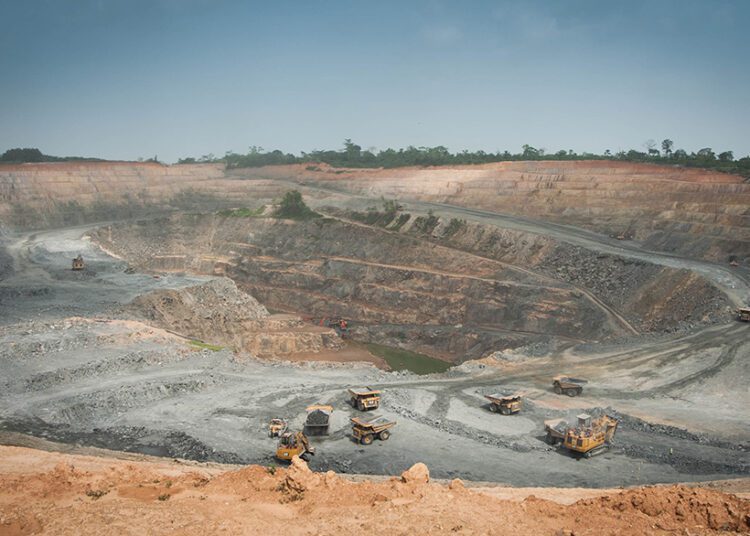
Ghana is set to begin a nationwide audit into the gold sector to redefine the sector to promote accountability and tighten the government’s control of its natural resources.
The Minerals Commission, from November 2025 to June 2026, will organise teams of government auditors, forensic accountants, and independent consultants. These teams will be deployed to the various mining companies to assess production procedures and volumes, mined mineral flow, tax and royalty payments, and environmental compliance.
Over the years, Ghana has not embarked on such an extensive audit of the mineral sector. This move reflects a new era of efficiency in resource management, assessment of foreign control and influence of Ghana’s most important sector of the economy, scrutiny of revenue accrued from the mining companies, and their compliance with community development obligations.
According to a communique from the government, the audit will start from Gold Fields’ Damang mine and Perseus Mining operations in November.
The other mining companies’ audit will be spread across the period assigned for the exercise. These companies include Newmont, AngloGold Ashanti, Zijin Mining, Asante Gold, and Xtra-Gold’s Kibi mine.
According to officials, there have been gaps in reporting for a while, and the audit is supposed to close that gap. Also, the audit is expected to identify and retrieve unpaid revenues while strengthening governance, compliance, and trust in the sector.

Ghana continues to lead gold production and export in the African continent. On the world stage, the country remains an important producer of gold. Ghana generated US$ 1.68 billion, equivalent to GH¢ 17.7 billion in 2024 as the country’s production output increased by 23.1%. However, by the close of 2025, Ghana’s production of gold is projected to reach 5.1 million ounces.
African countries’ resource reforms
The exercise Ghana is undertaking stands on the neck of a broader move by governments of countries on the continent to repossess the natural resources deposited in their respective countries. African countries have long since not benefited much from the resources of their countries.
The current wave running through the African continent is to capture greater control of the extractive industries and establish domestic value creation from the global commodity market.
To increase benefits and local processing, lithium contracts in Zimbabwe are being reorganised. Cobalt agreements in the Democratic Republic of Congo (DRC) are also being reviewed for the country to benefit from proceeds. Mali, Burkina Faso, and Niger, which form the Alliance of Sahel States, are also on this campaign of restructuring policies to promote local revenue, a move that has seen some foreign companies already exiting the States.
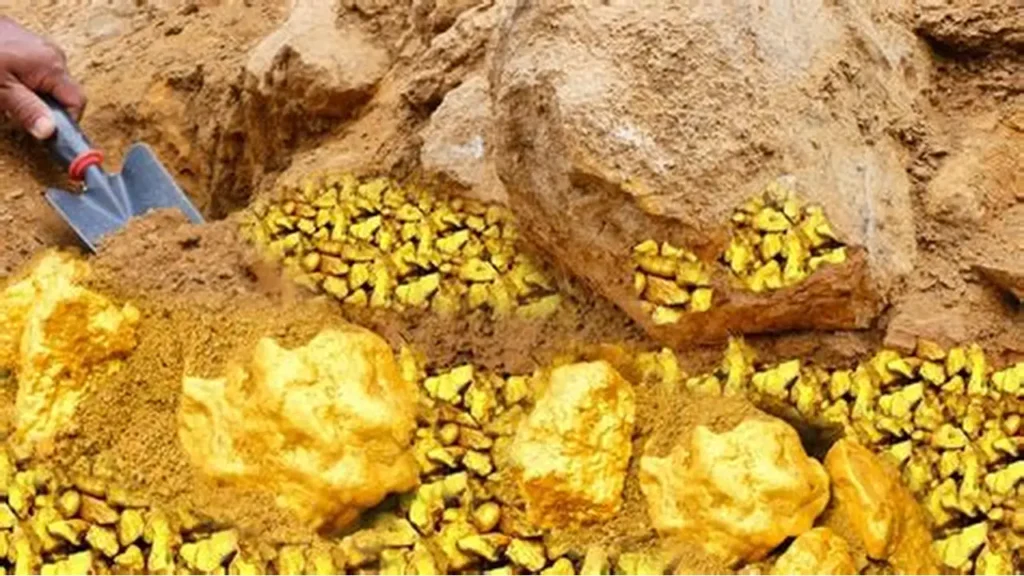
African countries are not charting a new path of control and management of natural resources. African governments are now demanding fiscal sovereignty and stricter oversight. Mining contracts are now being tied to communities and environmental responsibilities.
Caution from Analysts
Many people have applauded this move by the Ghana government, saying it is long overdue and happening at last. Experts have also praised the government for embarking on a journey to promote transparency in the country’s mining industry.
Experts, however, warned that there could be a downside to this process if care is not taken. After the auditing, experts declared, proper communication must be made to maintain the confidence investors have in the Ghanaian economy.
If unpredictability is professed, it could affect investment in the sector. While appropriate sanctions and strict adherence to regulations, especially on the part of the foreign mining companies, are to be encouraged, the process must be executed tactfully.
According to experts, Ghana’s challenge will be in the enforcement of the appropriate rules. When regulations are enforced, the other challenge will be in avoiding scandals.
Experts are confident that an effective audit will expose loopholes in the country’s revenue stream and increase royalties’ yield. The environment will be saved if environmental compliance is adhered to.
In restructuring licenses, proper scrutiny, and mandatory host-community agreements, local jobs will be guaranteed, and community development will be attained.
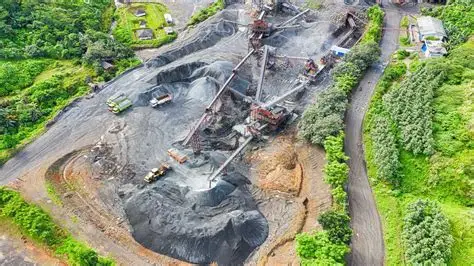
Experts warn against ‘heavy-hand approach,’ as it can lead to foreign firms leaving at a time Ghana needs investment and partnerships most to stabilize post-debt restructuring recovery.
As global price of gold remains high, the mining audit outcome is critical for the promotion of the sector or destroying it. According to some, it positions Ghana at the center of resource governance reset in the African continent.
If the auditing process yields the desired positive results of transparency, revenue increase, and local community participation and development, the resource economy of Africa begins a new path. It could also put Ghana ahead not only in gold production but also in sector policy.
READ ALSO: Magnitude 6.3 Earthquake Claims At Least 20 Lives in Northern Afghanistan