Africa’s energy debate is increasingly moving beyond how to generate electricity to how to deliver it reliably, as governments, investors and industry leaders place greater emphasis on power infrastructure needed to support industrialisation and close the continent’s electricity access gap.
That shift is expected to take centre stage at African Energy Week (AEW) 2026 through the newly launched Power Africa Today conference, a platform designed to bring together policymakers, utilities, financiers, developers and technology providers to discuss how transmission networks, power market reforms, financing and grid expansion can accelerate electrification across the continent, according to the Pan African Visions.
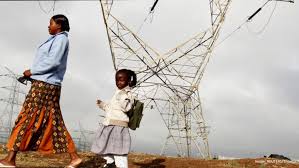
The new platform comes at a time when more than 600 million people in sub-Saharan Africa still lack access to electricity, despite years of investment in new generation projects. Increasingly, governments are recognising that expanding generation alone will not solve Africa’s energy challenges without corresponding investment in transmission, distribution and power system reliability.
The announcement also reinforces discussions that dominated the recently concluded Africa Energy Forum (AEF) 2026, where governments and investors repeatedly stressed that Africa’s next phase of energy development will depend on building infrastructure capable of turning investment commitments into functioning power systems.
Infrastructure Moves to the Forefront
Unlike previous conversations that often centred on choosing between fossil fuels and renewable energy, the emerging consensus is that Africa will need multiple energy sources working together if it is to eliminate energy poverty while supporting economic growth.
According to the organisers, the Power Africa Today conference will examine how natural gas, renewable energy, hydropower and existing thermal generation can collectively strengthen electricity supply while supporting industrial expansion.

The conference will also focus on issues extending beyond generation, including transmission infrastructure, regional electricity markets, innovative financing models and reforms needed to attract greater private investment into Africa’s power sector.
These themes reflect a broader recognition that electricity generation means little if power cannot be transmitted efficiently to industries, businesses and households.
Energy Storage and Grid Investment Gain Attention
Another area expected to receive significant attention is investment in modern electricity infrastructure capable of supporting increasingly diverse energy systems.
Across the continent, governments are expanding utility-scale solar and wind projects while investing in decentralised mini-grids to reach remote communities. At the same time, technologies such as battery energy storage systems are increasingly being viewed as essential infrastructure that can improve grid stability and integrate larger volumes of renewable energy.
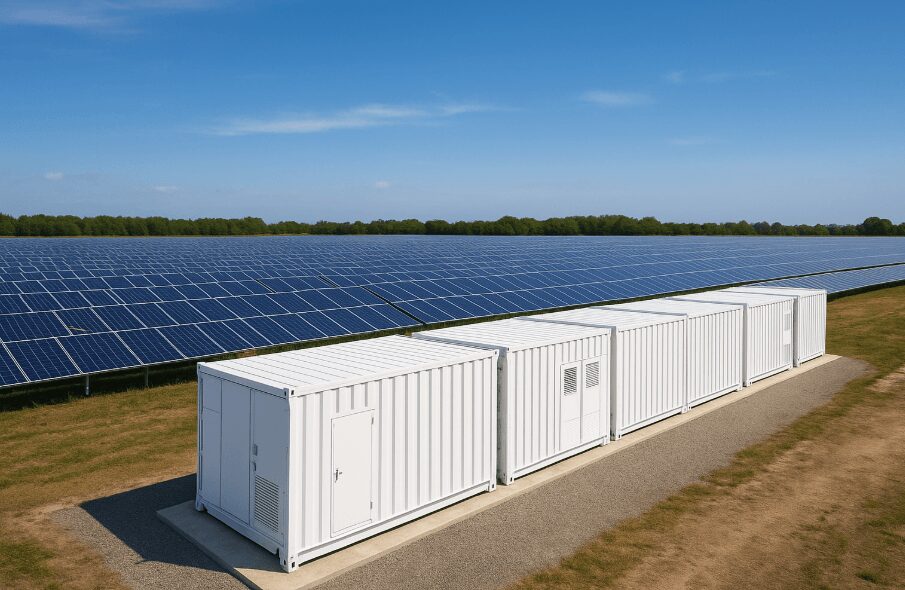
Meanwhile, several countries are pursuing reforms aimed at making electricity markets more attractive to private investors.
South Africa continues implementing wholesale electricity market reforms alongside long-term transmission expansion plans, while Uganda’s Amari Power Transmission Project has become Africa’s first privately financed independent transmission project to reach financial close.
Regional electricity pools are also expanding cross-border power trade through harmonised regulatory frameworks, enabling countries to share generation resources more efficiently.
What It Means for Ghana
For Ghana, the renewed emphasis on power infrastructure aligns closely with the government’s own energy priorities.
In recent months, the country has intensified efforts to expand renewable energy through projects such as the Dawa Industrial Enclave Solar Park while promoting energy transition policies that combine renewable energy with conventional generation to improve reliability.
Government has also continued highlighting the importance of reliable electricity in supporting industrialisation, mining, manufacturing and the country’s growing digital economy.

The conversation is particularly relevant as Ghana continues to grapple with longstanding challenges including transmission losses, distribution inefficiencies and financing gaps within the power sector.
While Ghana enjoys one of the highest electricity access rates in sub-Saharan Africa, improving the quality and reliability of electricity supply remains essential if the country is to attract greater investment into manufacturing, technology, data centres and mineral processing.
The emphasis on stronger transmission networks and more resilient electricity systems therefore mirrors challenges Ghana continues to address through ongoing reforms.
Financing Remains a Critical Challenge
Despite growing investor interest in Africa’s energy sector, financing remains one of the biggest constraints to accelerating electricity access.
According to the organisers, investors increasingly seek policy certainty, predictable regulation and infrastructure projects capable of delivering long-term returns.
This has made power market reforms and bankable infrastructure projects central themes in discussions about Africa’s energy future.
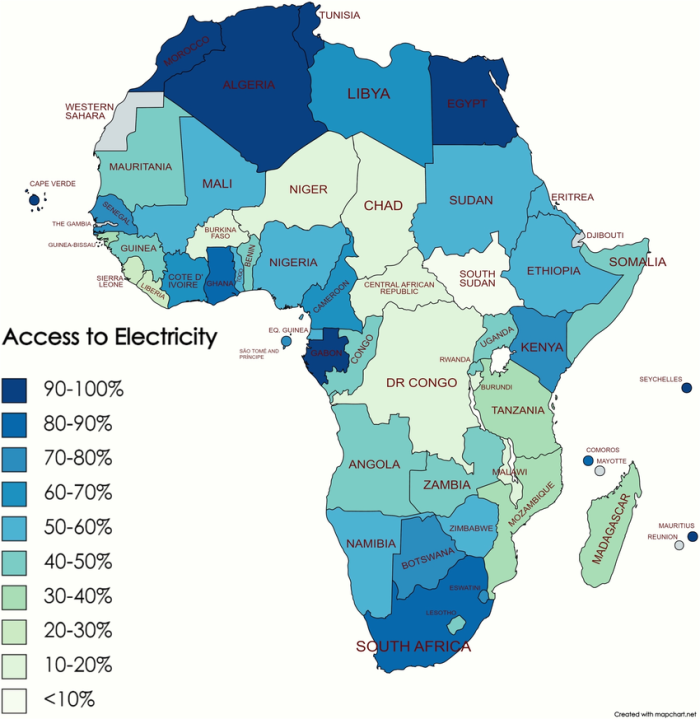
Large-scale initiatives such as Mission 300, jointly supported by the World Bank and the African Development Bank, also continue to feature prominently in efforts to expand electricity access across the continent.
Although the initiative recently announced that more than 50 million Africans had gained access to electricity, questions remain within policy circles about how future investments can deliver genuinely additional electricity infrastructure rather than relying primarily on existing programmes.
An All-of-the-Above Energy Strategy

Rather than advocating a single energy solution, organisers say the conference will promote a balanced approach that reflects Africa’s diverse energy resources.
Africa’s pathway to ending energy poverty will require every available resource working together. Natural gas, renewables, hydropower and existing power assets, including coal and oil, each have a role to play in delivering reliable electricity, supporting industrialisation, and improving quality of life across the continent.
NJ Ayuk, Executive Chairman, African Energy Chamber
The statement reflects a growing view among many policymakers that Africa’s energy transition should prioritise affordability, reliability and economic development alongside climate objectives.
Looking Beyond Generation
The launch of Power Africa Today signals a broader evolution in Africa’s energy conversation.
For years, discussions have largely focused on increasing electricity generation and expanding renewable energy capacity. Increasingly, however, attention is shifting toward ensuring electricity can be transmitted efficiently, stored effectively and delivered reliably to consumers.
For countries like Ghana, that distinction matters.
Reliable electricity infrastructure influences everything from industrial competitiveness and digital transformation to mining operations, agricultural processing and investment decisions.
Ultimately, the success of Africa’s energy transition may depend less on how much new electricity is generated than on whether countries can build the transmission networks, financing structures and regulatory systems needed to turn that generation into dependable power for homes and businesses.
As preparations begin for African Energy Week 2026, the message emerging from industry leaders is becoming clearer: ending energy poverty will require not only more power, but better infrastructure capable of delivering it where it is needed most.
READ ALSO: DR Congo Seeks Justice at ICJ Over Rwanda’s Role in Conflict