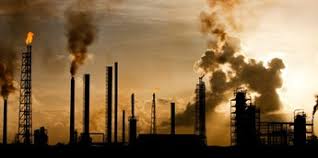
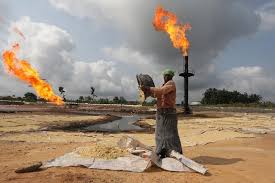
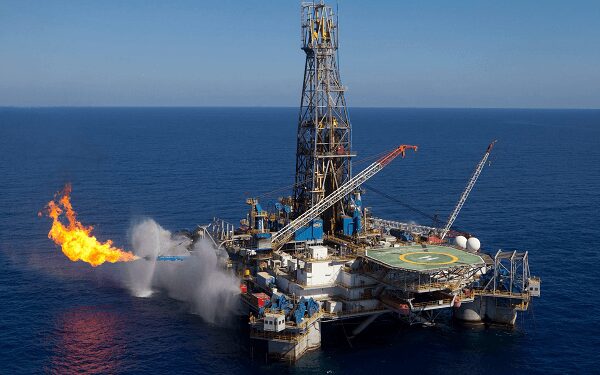
Global efforts to curb gas flaring suffered another setback in 2025, with the volume of natural gas burned off during oil production rising for the third consecutive year despite growing calls to improve energy access, reduce emissions and strengthen energy security.
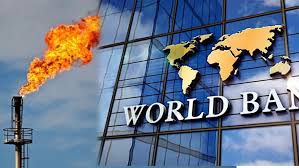
The latest 2026 Global Gas Flaring Tracker Report, published by the World Bank’s Global Flaring and Methane Reduction (GFMR) Partnership in collaboration with the Payne Institute at the Colorado School of Mines, estimates that 167 billion cubic metres (bcm) of gas were flared worldwide last year, the highest level recorded since 2019.
The figure represents more than an environmental concern. According to the report, the gas wasted in 2025 was worth an estimated US$54 billion, equivalent to the annual gas consumption of the entire African continent.
The findings come as African countries, including Ghana, continue seeking billions of dollars to expand energy infrastructure, strengthen electricity supply and finance their respective energy transition programmes.
Lost value exceeds environmental cost
Rather than framing gas flaring solely as a climate issue, the World Bank argues it represents a significant economic loss that continues to undermine energy security and industrial development, particularly in developing economies.
The report notes that eliminating routine gas flaring globally would require between US$70 billion and US$100 billion in upfront investment.
While the amount appears substantial, it is only about twice the annual value of the gas currently being wasted, suggesting that the economics increasingly favour investment over continued losses.
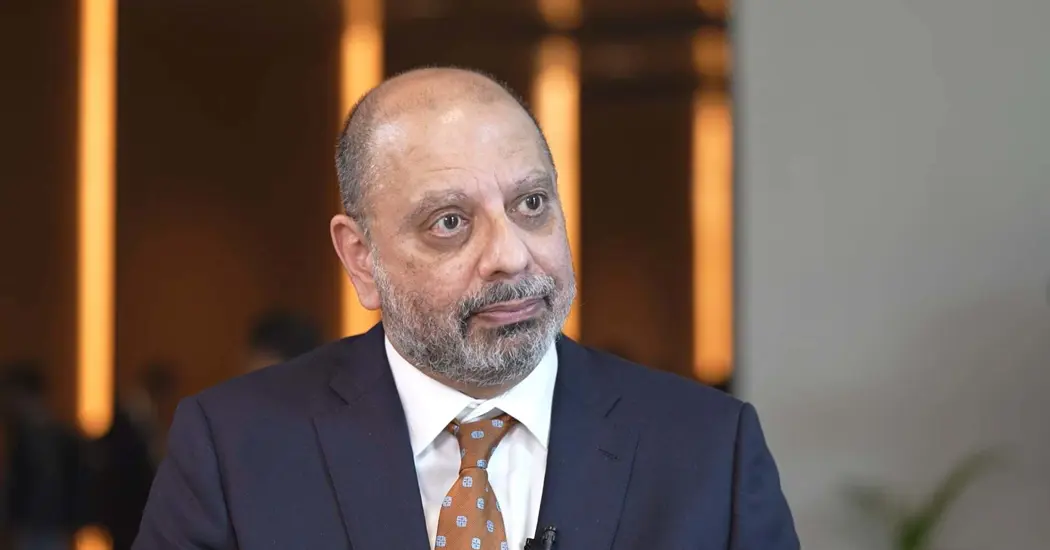
The technologies, policies, regulations, and financing mechanisms needed to capture and utilize associated gas are available. What is missing, in too many places, is the leadership, prioritization, and governance needed to put these solutions into practice, creating access to markets and infrastructure. The cost of inaction will be measured in wasted billions in revenue and energy insecurity for millions of people.
Zubin Bamji, Manager, World Bank Global Flaring and Methane Reduction (GFMR) Partnership
According to the report, the principal barriers to reducing flaring are no longer technological. Instead, inadequate regulation, limited pipeline infrastructure, weak gas markets, financing constraints and inconsistent policy implementation continue to delay progress.
Financing remains Africa’s biggest hurdle
For Africa, the findings reinforce a challenge that has repeatedly surfaced in discussions around the continent’s energy transition.
Governments have increasingly argued that achieving universal energy access will require substantial investment in gas infrastructure alongside renewable energy, electricity transmission networks and regional power trade.
The report arrives only days after renewed discussions at the Africa Energy Forum highlighted financing as one of the biggest obstacles to accelerating energy projects across the continent.
Although international investors continue expressing interest in African energy assets, industry stakeholders have consistently pointed to high financing costs, regulatory uncertainty and inadequate infrastructure as major constraints to project development.
The World Bank report appears to reinforce that assessment.
According to the report, the volume of gas flared globally in 2025 exceeded the amount of liquefied natural gas (LNG) transported through the Persian Gulf during the same period.
Instead of being commercialised, that resource was burned without generating electricity, supporting industries or creating government revenue.
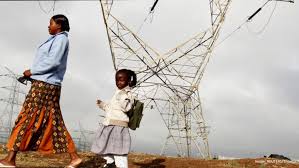
For a continent where more than 600 million people still lack access to electricity, the report suggests the scale of the missed opportunity extends far beyond environmental considerations.
Economic implications extend beyond emissions
The report argues that associated gas captured from oil production could strengthen domestic electricity generation, reduce dependence on fuel imports and support industrial development.
It also links energy availability directly to employment.
According to the report, power outages in Sub-Saharan Africa have been associated with a 14 percent reduction in employment, underscoring the economic importance of reliable energy supply.
Capturing gas that is currently flared could therefore provide governments with an additional domestic energy source while supporting manufacturing, mining, agriculture and other productive sectors.
Rather than treating flaring reduction as an environmental obligation, the report presents it as an economic development strategy capable of generating government revenues, expanding electricity access and creating jobs.
Ghana’s energy ambitions
For Ghana, the findings resonate with ongoing efforts to maximise value from the country’s petroleum resources while advancing its broader energy transition agenda.
Government has repeatedly emphasised the importance of increasing natural gas utilisation to support domestic power generation, reduce dependence on imported fuels and improve energy security.
The country has also been pursuing investments aimed at strengthening gas infrastructure while expanding renewable energy under its National Energy Transition Framework.
Although Ghana has made progress in commercialising natural gas from offshore oil production, the World Bank report highlights the broader importance of ensuring associated gas is fully utilised rather than wasted.
Doing so could strengthen electricity generation, improve industrial competitiveness and create additional fiscal revenue at a time when financing remains constrained.
The findings also reinforce arguments made by energy analysts that Africa’s transition should combine cleaner fuels with stronger infrastructure rather than rely exclusively on renewable energy technologies.
Progress shows reductions are achievable

Despite the increase in global flaring, the report identifies examples demonstrating that significant reductions remain achievable where governments align regulation with investment.
The United States recorded the largest absolute reduction in gas flaring during 2025, cutting volumes by 0.4 bcm, or seven percent, following the commissioning of new pipeline infrastructure in the Permian Basin.
Kazakhstan has reduced gas flaring by 87 percent since 2012 through sustained regulatory reforms, government commitment and targeted infrastructure investment.
According to the World Bank, these examples show that meaningful reductions are possible when supportive policies are matched with investments in gas infrastructure and market development.
Governance and investment now take centre stage
The report ultimately argues that ending routine gas flaring is no longer constrained by technology.
Instead, success will depend on governments creating predictable regulatory environments, expanding gas transportation infrastructure, attracting private investment and ensuring associated gas becomes a commercial asset rather than a wasted by-product of oil production.
For African producers, including Ghana, the findings shift the debate beyond emissions toward a broader question of economic governance.
As governments continue searching for financing to expand energy systems and industrial capacity, the World Bank suggests one of the continent’s largest untapped energy resources is already being produced, but not fully utilised.