Ghana Gold Board (GoldBod) has provided financial assistance to support the medical treatment of 19-year-old Prince Arthur, who has been battling a severe brain condition for several years.
The corporate gesture directly fulfills the regulatory body’s ongoing mandate to promote social equity and community wellbeing across the country.
By funding the complex medical intervention, the state institution highlights how the financial gains generated from Ghana’s gold resources are actively redirected to save the lives of vulnerable citizens, matching economic metrics with real human transformation.
“The latest intervention underscores the Board’s commitment to making a positive difference in the lives of citizens beyond its core mandate within Ghana’s gold sector. As an institution committed not only to economic transformation but also social impact, GoldBod continues to support initiatives that improve the welfare of Ghanaians, particularly in the areas of healthcare, community development, and social inclusion.”
Ghana Gold Board (GoldBod)
The support was extended following a direct appeal by Prince’s sister, Comfort Danful, who sought financial assistance from GoldBod to enable her brother to undergo the life-saving procedure.
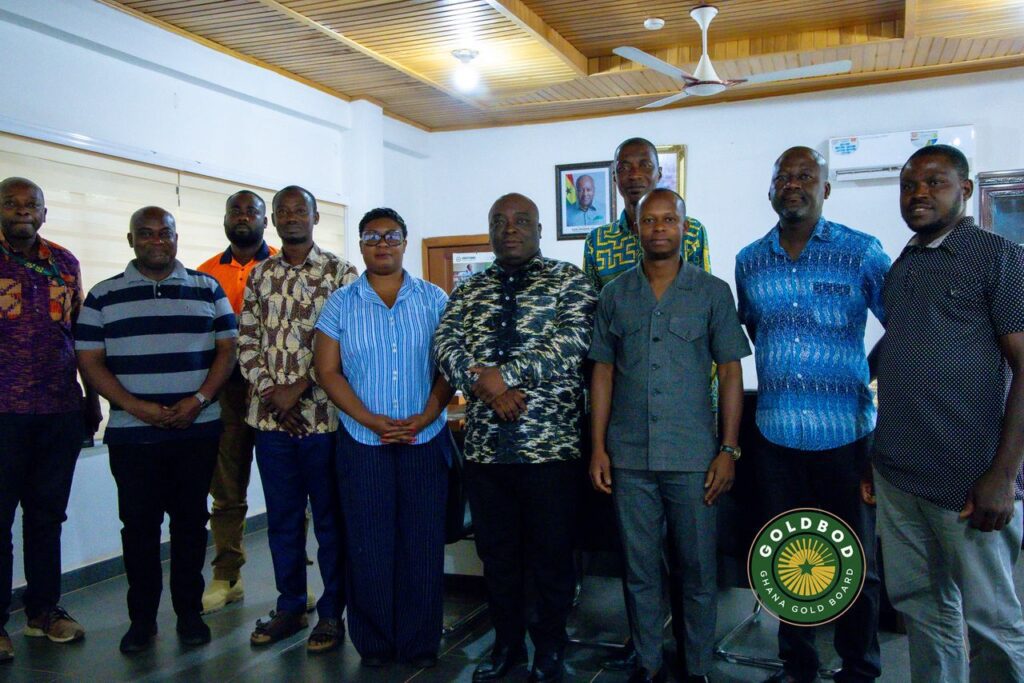
Responding swiftly to the request, GoldBod, through its Special Intervention Programmes Unit, donated a total of GH¢73,989.40 towards the cost of the surgery and related medical treatments.
According to medical specialists at the Greater Accra Regional Hospital, Ridge, the young patient had lived with an infiltrative brain tumor for seven years, which resulted in the protrusion of his left eye and eventual loss of vision in that eye.
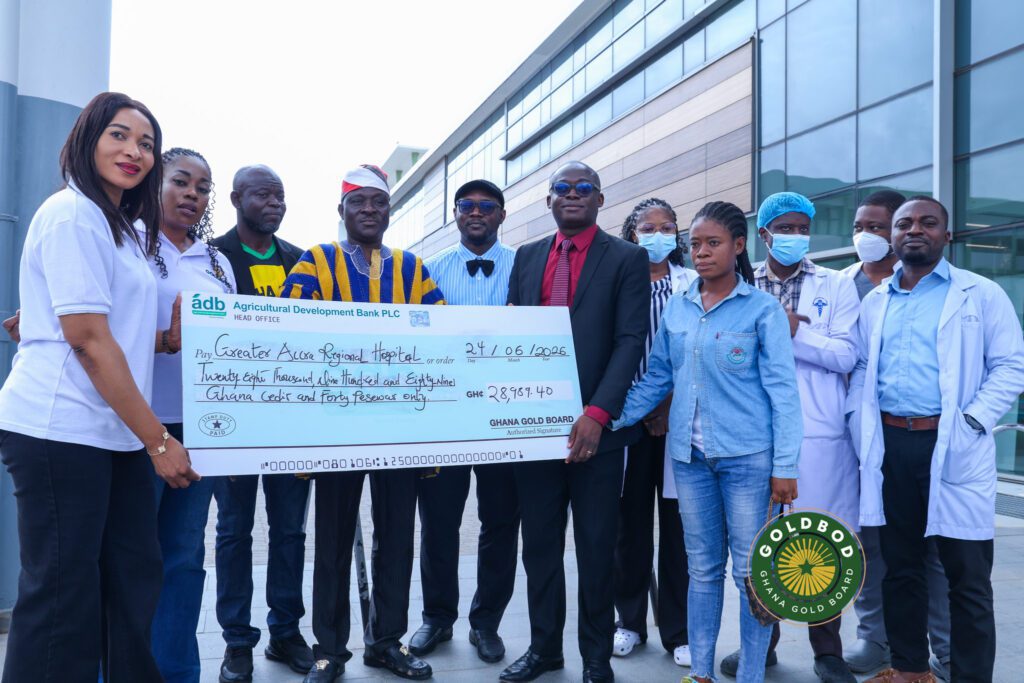
The extensive funding was distributed directly to the serving health facilities, allocating GH¢45,000 for essential medical supplies at the Sazian Specialist Clinic, while the remaining GH¢28,989.40 was earmarked for surgical procedures, medication, and associated treatment costs at the Greater Accra Regional Hospital, Ridge.
Medical Relief and Restored Hope at Ridge Hospital
The significant financial intervention culminated in a formal presentation to the medical team tasked with the high-stakes procedure. The financial support was formally received by Dr. Justice A.
Asare, Senior Specialist Neurosurgeon at the Greater Accra Regional Hospital, who led the surgical team responsible for Prince’s treatment.

Dr. Asare and other medical experts involved in the case indicated that the “intervention was critical to addressing the young patient’s condition and improving his quality of life.” Without this swift allocation from the Special Intervention Programmes Unit, the family faced an insurmountable barrier to care, given the specialized nature of managing an aggressive, infiltrative tumor.
For the patient’s family, the sudden backing from a state mineral enterprise shifted their reality from despair to profound relief.
Prince’s family expressed deep gratitude to GoldBod for the timely assistance, describing the support as a “significant relief during a difficult period” that had fundamentally altered their outlook.
Members of the household noted that the timely intervention had “renewed their hope and enabled Prince to receive the urgent medical care” he required.
This successful partnership between public health practitioners and corporate management emphasizes how strategic funding can directly alleviate the burden on strained families.
The Strategic Alignment of Social Impact and Sovereign Gold Operations
While GoldBod’s primary economic objectives center on formalizing the gold supply chain and managing state reserves, its corporate philosophy firmly connects natural resource management with national human development.
In contemporary mineral governance, social interventions are not secondary activities but essential parameters for maintaining public trust and community cooperation.
As a government-owned entity managing billions of dollars in artisanal and small-scale mining output, GoldBod depends heavily on a stable, healthy, and supportive domestic population.
Investing in healthcare represents a deliberate decision to return the value derived from the land back to the people who reside upon it.
Furthermore, these social programs serve an operational purpose by demonstrating the tangible domestic benefits of formalized mineral trading.
When communities observe that gold revenue translates directly into emergency healthcare, community infrastructure, and social inclusion, they are much more likely to align with formal regulatory structures.
This public alignment helps suppress the illicit trading and mineral smuggling that historically drained the country’s economic strength.
By prioritizing human welfare alongside asset accumulation, the organization builds a resilient operational environment that guarantees sustainable, long-term national growth.
Corporate Responsibility as a Catalyst for National Transformation
The life-saving donation forms part of GoldBod’s broader corporate social responsibility and social intervention initiatives aimed at supporting vulnerable individuals and communities across the country.
Operating under a comprehensive development model, the institution actively balances its market-stabilizing functionalities with humanitarian relief.
This balanced approach guarantees that economic recovery metrics, such as stable foreign exchange reserves or currency appreciation, find a practical, noticeable expression within ordinary Ghanaian households.
Ultimately, this intervention highlights how modern state enterprises can effectively expand their national influence.
By actively seeking out and addressing urgent social vulnerabilities, the entity proves that the gold sector can act as both an economic engine and a primary driver of social welfare.
Moving beyond mere transactional extraction, the institution sets a clear standard for how state-led resource management can foster a healthier, more equitable, and deeply inclusive society for all citizens.
READ ALSO: GEPA Targets $1 Billion US Export Boom