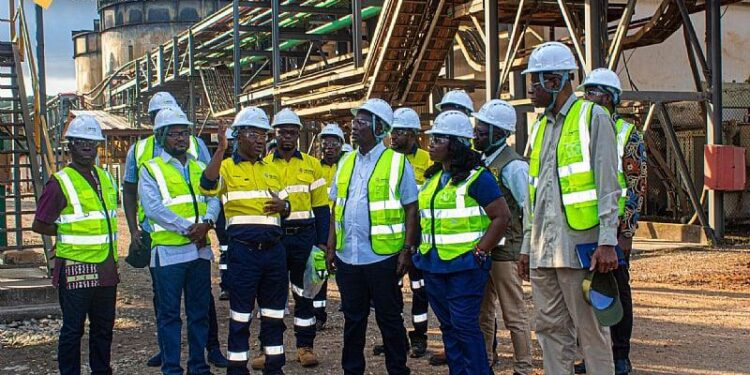
Heath Goldfields LTD has announced a comprehensive operational strategy to prioritize indigenous capacity by integrating domestic enterprises into its mining supply chain, a decision that directly highlights its vision to redefine mineral resource extraction and national self-reliance in West Africa.
This corporate framework aims to move operations past conventional extraction models toward an economic blueprint focused entirely on sustainable domestic value retention.
By formalizing deep-rooted commercial alliances with several Ghanaian-owned engineering and logistics firms at its revived Bogoso-Prestea Mine, the operator is actively executing a plan designed to fulfill strict national regulatory targets for industrial integration.
“Heath Goldfields LTD believes that responsible mining goes beyond gold production — it is about creating shared value, empowering local businesses, and ensuring long-term benefits for host communities. Through strategic partnerships with local contractors, the company is strengthening Ghanaian participation in mining operations while promoting local content, skills development, and economic growth.”
Heath Goldfields LTD
The indigenous producer intends to funnel substantial portions of its procurement budget toward sub-contractors operating within its immediate host municipalities.

This procurement directive ensures that multi-million-dollar contracts for heavy machinery maintenance, chemical consumables, and site logistics remain firmly within Ghana rather than leaking to foreign entities.
Company executives revealed that this model will serve as a permanent template for future operations, creating an economic multiplier effect that transforms transient mining revenues into permanent community assets, technical expertise, and resilient regional economies that thrive long after the life of the mine.
Bridging the Local Technical Capacity Gap
To make this vision functional, Heath Goldfields LTD is rolling out specialized training modules designed to elevate local engineering firms to international compliance benchmarks.
Historically, foreign mining conglomerates often argued that domestic suppliers lacked the technical maturity to handle sophisticated metallurgical workflows.
By establishing dedicated knowledge-transfer pipelines, the company is completely dismantling this narrative, proving that Ghanaian engineers can successfully oversee top-tier extraction infrastructure.
This programmatic approach effectively guarantees long-term economic resilience, preventing host communities from suffering the post-mining economic collapse often seen in resource-dependent enclaves across developing nations.
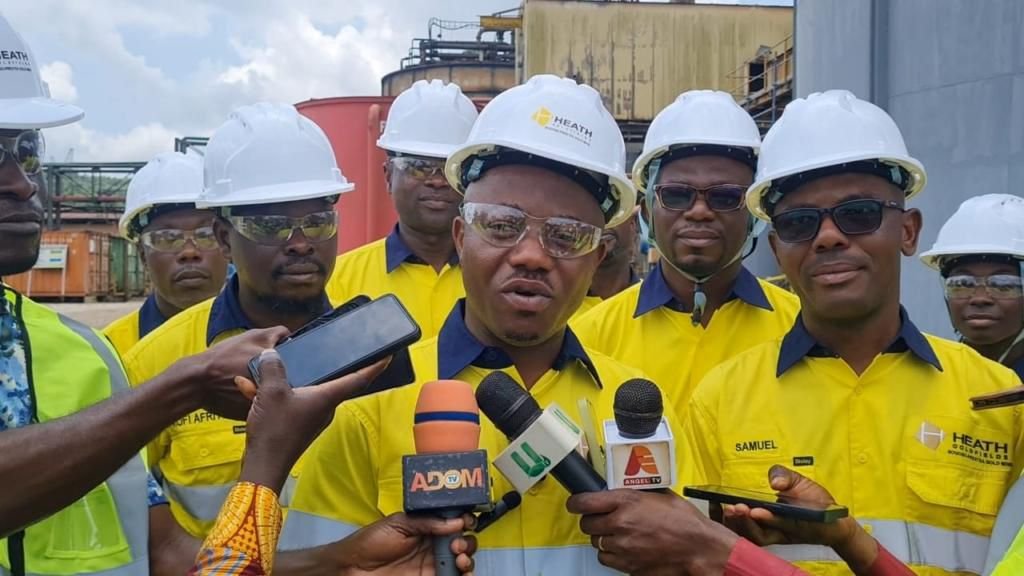
Industry analysts view this as a radical departure from traditional corporate social responsibility projects, which historically focused on superficial donations rather than systemic industrial empowerment.
“The era of placating host communities with cosmetic interventions is entirely over,” an energy analyst remarked during a recent mining forum in Accra.
Through these structural alliances, local businesses gain direct exposure to complex project management, capital asset utilization, and global safety standards, transforming them into competitive entities capable of exporting services across the continent.
The Economic Multiplier of Indigenous Ownership
From an economic perspective, anchoring mining operations within a domestic ecosystem functions as a powerful tool against capital flight.
When an indigenous miner prioritizes local vendors, a significant share of the generated mineral wealth stays within the national financial system, reinforcing currency stability and boosting revenue collections.
Statistics indicate that for every single direct mining job created at the Bogoso-Prestea site, an additional five indirect jobs are stimulated within the domestic supply chain.
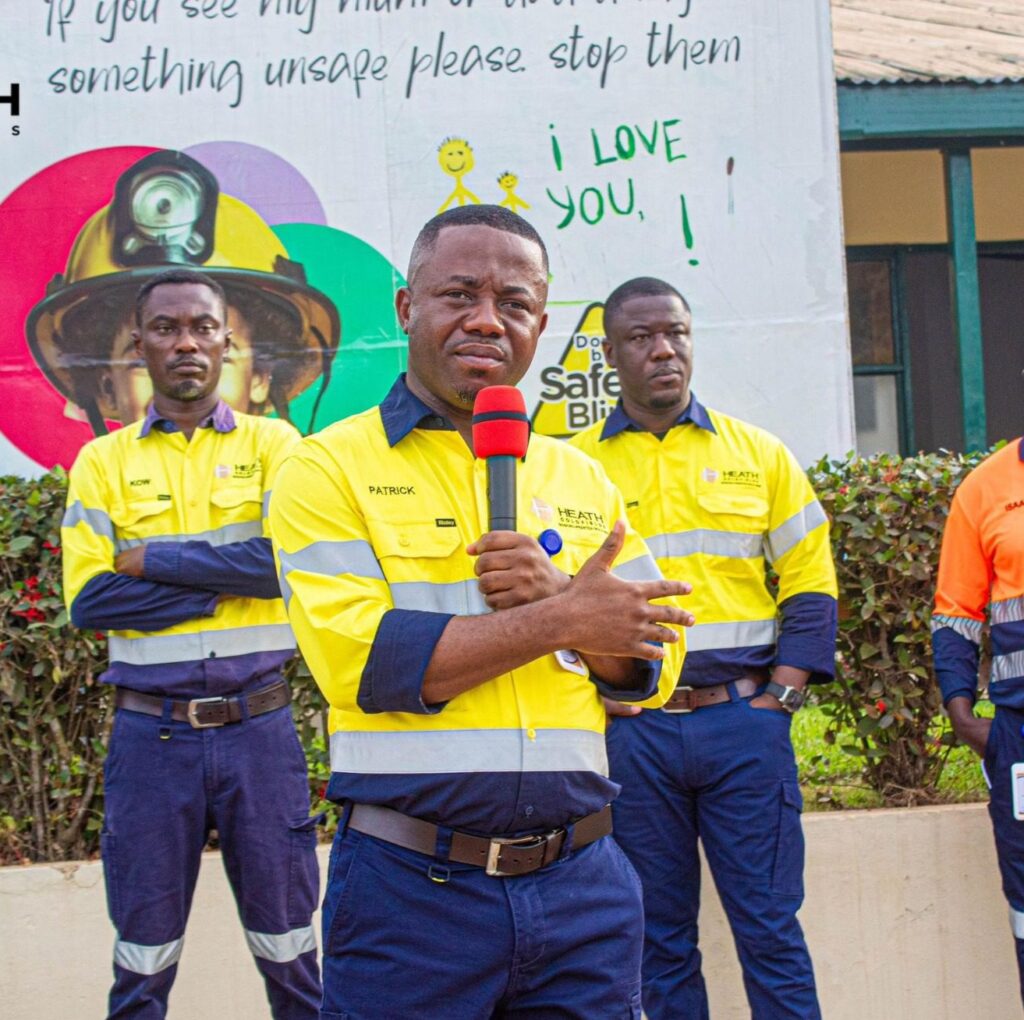
This interconnected network fosters genuine financial autonomy, allowing regional banks and institutional investors to confidently fund local sub-contractors who hold guaranteed corporate off-take agreements.
Furthermore, this strategy addresses long-standing challenges associated with youth unemployment and rural-urban migration within the Western Region.
By offering structured apprenticeships and technical roles to young professionals, Heath Goldfields LTD is creating viable economic pathways that discourage illegal, unregulated mining operations.
Local leaders lauded this collaborative development framework, noting that “true national sovereignty over natural resources is completely meaningless without the active, high-level participation of our own people in the technical core of the industry today.”
Fulfilling Regulatory Standards and Preserving Assets
The company’s strategic local content initiative sets an operational standard that aligns seamlessly with legislative mandates enforced by the Minerals Commission of Ghana.
Regulatory compliance is no longer treated as a reactive legal obligation, but rather as a proactive competitive advantage that de-risks mining operations by building deep social capital and trust among community stakeholders.
As global commodity markets demand higher standards of environmental, social, and governance excellence, Heath Goldfields LTD demonstrates that indigenous operators are uniquely positioned to manage national assets with unparalleled cultural sensitivity, strict accountability, and long-term vision.
This model proves that sustainable resource management is best achieved when generated wealth directly feeds the growth of the society that protects it.
READ ALSO: Fair Trial Must Prevail in Wontumi Case — Atta Akyea