The Grammys occupy a high place in global music culture: a trophy on a mantel signals crossover appeal, open doors to certain markets, and confer symbolic prestige.
Yet for many Ghanaian artistes, the dream of a Grammy has an outsized hold on imagination precisely because it is an imported yardstick.
Success for Ghanaian musicians is a more complex, multi‑dimensional affair rooted in community relevance, income, artistic freedom, legacy, and influence across West Africa and the diaspora.
Evaluating success solely by Grammy wins misreads how Ghanaian music circulates, how artists build careers, and what audiences value.
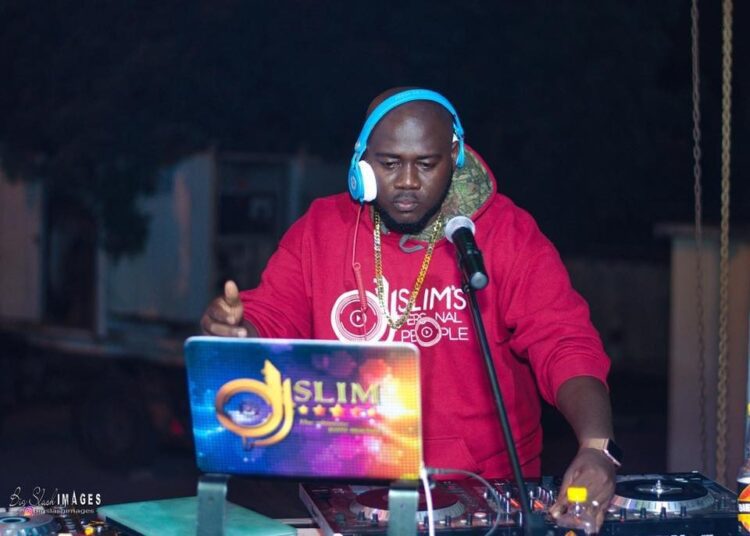
Ghanaian radio personality and music critic DJ Slim has sparked a bold conversation about Ghana’s relationship with the Grammy Awards, saying that the global music prize should not be seen as the ultimate measure of success for Ghanaian artistes.
DJ Slim admitted that while the Grammy brand is “huge” and has “massive global reach,” it is not the pinnacle of musical achievement, especially for African or Ghanaian acts.
“To me, it is not the apex. It’s just that it has reach. The Grammy is a music award designed for the US market, by people in the US market.”
DJ Slim
The Grammys are organized within a U.S.-centric music industry with categories, industry gatekeepers, and aesthetic norms that do not always map neatly onto Ghana’s musical forms (highlife, hiplife, Azonto, drill, gospel, or local Afrobeat variants).
Until recently, global and non‑Western genres were marginalised in ways that made it harder for artists rooted in local idioms to compete on the prize’s terms.
Using a football analogy, he compared the Grammy to the FIFA Club World Cup, noting that just as Ghanaian clubs do not participate in that competition, it makes little sense for Ghanaian artistes to fixate on an award system tailored for another market.
According to DJ Slim, the lack of Ghanaian nominees at the 2025 Grammy Awards is not a reflection of poor artistry or talent, but rather a sign that “our system is not plugged into the US system.”
“It only tells us that our artistes and their sound are not visible in their market. It doesn’t mean they’re not talented,” he said, referencing songs like ‘Street Grammar’ by Shaka Wallace and ‘Shake It’ by Moliy, which he praised as “dope” yet overlooked because of limited visibility.
Local Measures of Success That Often Matter More

Regular touring income, lucrative endorsements, sync deals, and streaming revenue often pay the bills more reliably than awards. Ghanaian acts that sell out national stadiums, headline major West African festivals, and secure brand partnerships enjoy long, prosperous careers without Grammy recognition.
Songs that become part of national rituals, played at funerals, weddings, funerary rites, political rallies, and grassroots celebrations, produce a kind of embeddedness a trophy can’t buy.
Influence on younger musicians, language and fashion trends, and national pride are core components of artistic success in Ghana.
Building strong followings across West Africa and among the diaspora can generate meaningful power and influence. Collaborations with Nigerian, UK, US, and European artists, visibility on playlists and festivals, and resonance with African audiences may yield greater practical returns than a distant award.
Honors at home, visibility in local media, and roles as cultural ambassadors or activists often confer prestige that is more personally meaningful and socially potent than overseas accolades.
DJ Slim urged the Ghanaian music industry to prioritise local award systems that understand and celebrate the Ghanaian sound and culture. “Our awards should stamp our sound and our identity. You don’t need to hustle for validation elsewhere,” he emphasised.
He also revealed that despite Moliy’s remarkable performance within the year, her song did not appear on the Billboard-listed Grammy ballots for Best Global Music Performance or Best African Music Performance — a discovery that, he said, further proves how disconnected Ghana’s creative ecosystem is from the structures that feed into Grammy nominations.
DJ Slim’s remarks have since stirred strong reactions online, with many agreeing that it’s time Ghana redefines its musical priorities and builds stronger platforms that recognize homegrown excellence.
Alternate Global Routes and Recent Changes
The globalization of music via streaming, social media, and festivals means that Ghanaian artistes can reach massive international audiences without depending on traditional award circuits.
Playlists on Spotify and Apple Music, virality on TikTok, licensing to film and advertising, and performances at major festivals (including those focused on African music) can deliver income and recognition that more directly benefit careers.
The Grammy institution itself has begun to change—renaming “World Music” to “Global Music” and adjusting categories, signalling greater responsiveness to non‑Western music.
Yet these are incremental fixes and do not eliminate the deeper structural inequalities that shape who gets nominated, campaigned for, and ultimately rewarded.
Grammys have symbolic power, but for Ghanaian artistes they should be seen as one possible milestone among many rather than the ultimate endpoint.
Success is best measured by a combination of economic sustainability, cultural influence, artistic freedom, and community recognition.
When artistes and industry players broaden the definition of achievement beyond a single American award show, they open space for careers that are truer to Ghanaian realities and more resilient over the long term.
READ ALSO: TEWU Backs 9% Wage Increment, Cites Economic Stability