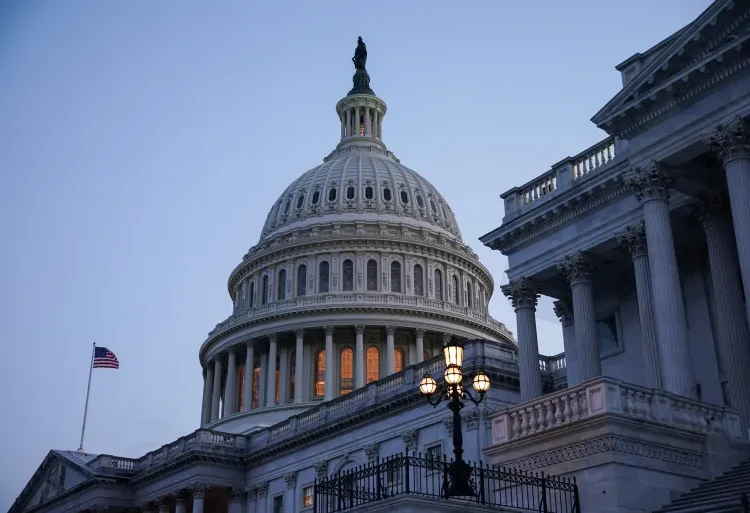
The Senate has passed a bill to end the government shutdown, approving a spending package by a vote of 60 to 40 to fund the US government through January 30, and reinstate pay for hundreds of thousands of federal workers.
The vote in the Senate follows negotiations this weekend that saw seven Democrats and one Independent agree to vote in favour of the updated spending package to end the shutdown, which enters its 42nd day today, Tuesday, November 11, 2025.
Also included in the deal are three-year funding appropriations for the Department of Agriculture and the Food and Drug Administration, military construction projects, veterans affairs and congressional operations.
The bill does not, however, resolve one of the most central issues in the shutdown – extending healthcare subsidies. Senate Republicans have agreed to vote on the issue as a separate measure in December but there was no guarantee of success.
After weeks of negotiations, A group of three former Governors; Senator Jeanne Shaheen, Senator Maggie Hassan and Independent Senator Angus King of Maine, agreed to vote to advance three bipartisan annual spending bills and extend the rest of government funding until late January.
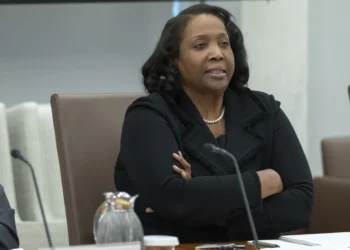
Shaheen said that “this was the option on the table” after Republicans had refused to budge.
“We had reached a point where I think a number of us believed that the shutdown had been very effective in raising the concern about health care.”
Jeanne Shaheen
She added that the promise for a future vote “gives us an opportunity to continue to address that going forward.”
In addition to Shaheen, King and Hassan, Senator Tim Kaine of Virginia, home to tens of thousands of federal workers, also voted in favor of moving forward on the agreement.
Senator Dick Durbin, Senator John Fetterman and Senators Catherine Cortez Masto and Jacky Rosen also voted yes. All other Democrats, including Senate Democratic leader Chuck Schumer of New York, voted against it.
US legislators have been under growing pressure to end the government shutdown, as their constituents feel the impact of funding lapses for programmes like food stamps.
Hundreds of thousands of federal employees have been furloughed or required to work without pay since the shutdown began on October 1, while Trump has separately threatened to use the shutdown as a pretext to slash the federal workforce.
The impact of the shutdown has also been felt at airports across the US after the Federal Aviation Administration last week announced a 10 percent cut in air traffic due to absences from air traffic controllers. The cuts have created chaos for US air travel just as the country is heading into its busiest travel season of the year.
Bill To End Government Shutdown Moves To House of Representatives
The spending bill next moves to the House of Representatives for approval and then on to President Donald Trump for a sign-off before the shutdown can finally end.
The shutdown could last a few more days as members of the House, which has been on recess since mid-September, return to Washington to vote on the legislation.
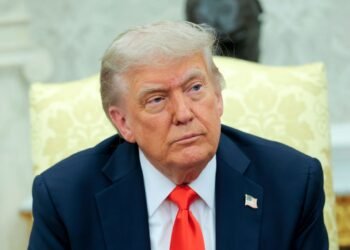
President Donald Trump has signaled support for the bill, saying on Monday that “we’re going to be opening up our country very quickly.”
House Speaker Mike Johnson has said that he would like to pass it as soon as Wednesday and send it on to Trump to sign into law.
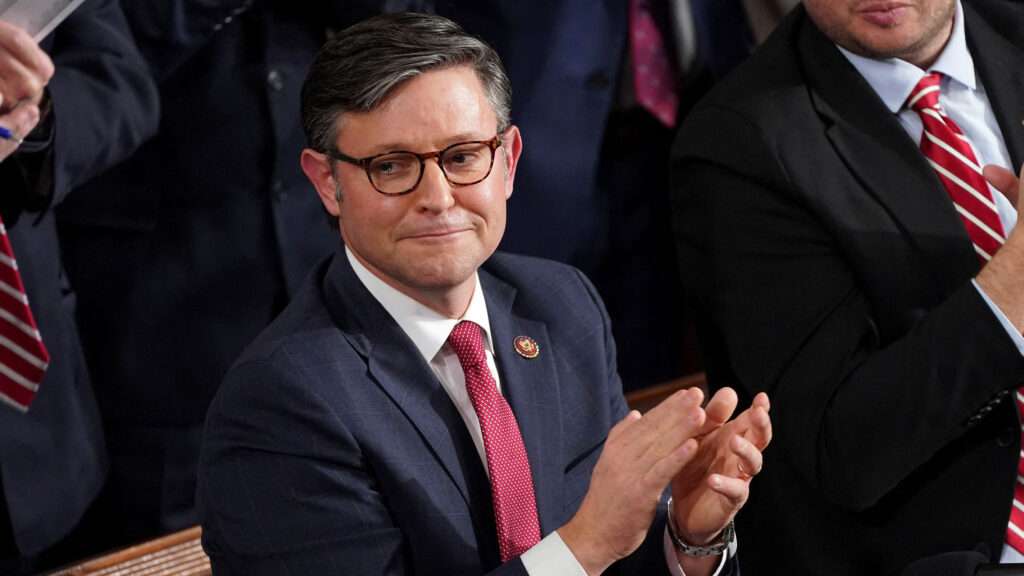
Johnson urged lawmakers to start returning to Washington “right now” given shutdown-related travel delays, but an official notice issued after the Senate vote said the earliest the House will vote is Wednesday afternoon.
Johnson, who has kept the House out of session since mid-September, when the House passed a bill to continue government funding, said, “It appears our long national nightmare is finally coming to an end.”
Meanwhile, it’s unclear whether the two parties would be able to find any common ground on the health care subsidies before a promised December vote in the Senate.
Johnson has said that he will not commit to bringing it up in his chamber. On Monday, Johnson said House Republicans have always been open to voting to reform what he called the “unaffordable care act” but again did not say if they would vote on the subsidies.
READ ALSO: Accra Becomes Africa’s Financial Nerve Centre as BoG and Bank of England Host Elite Policy Dialogue