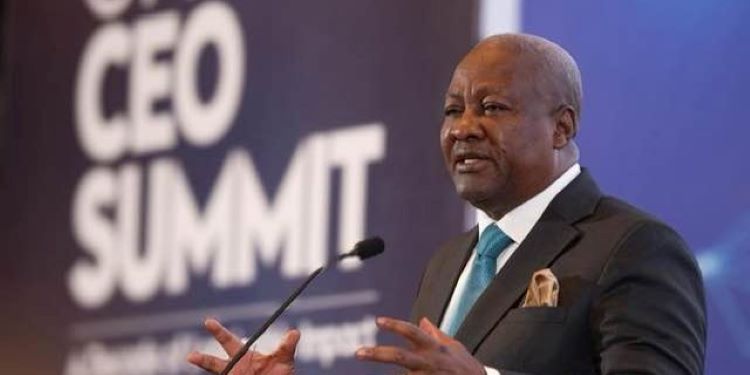
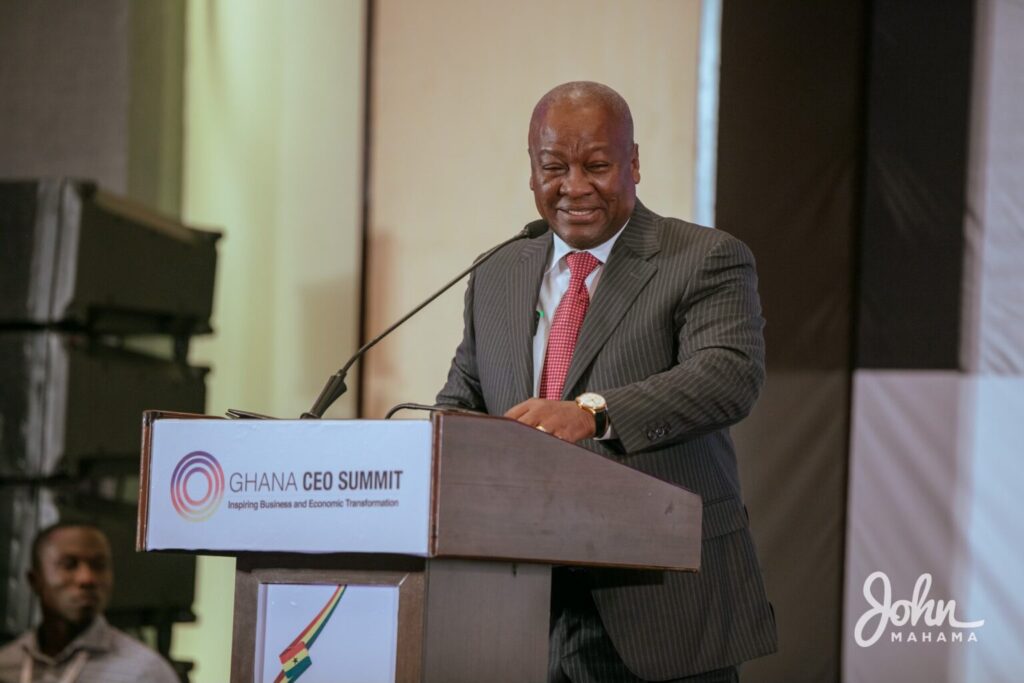
President John Dramani Mahama has announced at the 10th Ghana CEO Summit that a comprehensive 10-year plan for Ghana’s economic transformation has been officially submitted to the Cabinet, noting that the long-term blueprint was finalized by the implementation team following the legislative passage of the 24-Hour Economy Authority.
According to the President, the transformation plan establishes an operational framework that will reduce the cost of power for commercial and industrial users, optimize the national logistics value chain, delineate specialized industrial and agro-processing parks, and provide structured tax exemptions and economic incentives aimed at accelerating private sector growth.
“Ghana has developed a national e-commerce strategy, and work is underway on a comprehensive e-commerce policy. Ladies and gentlemen, technology must also support this transformation in practical, inclusive ways”
President John Dramani Mahama
Developed with technical and administrative support from the United Nations Conference on Trade and Development (UNCTAD), the strategy serves as the structural foundation for an upcoming, comprehensive e-commerce policy currently under active formulation.
Together, these administrative frameworks are engineered to modernize domestic trade operations by incorporating advanced technology into daily commercial transactions, allowing the state to transition toward a digitized and location-independent trade ecosystem.
President Mahama detailed that the national focus on digital trade and e-commerce infrastructure is highly significant because modern commerce has fundamentally transcended physical geographical locations. With the correct regulatory and technical frameworks established, the physical constraints that traditionally limited rural or small-scale commerce are eliminated.
This shift allows a small enterprise operating anywhere within the borders of Ghana to securely and reliably reach a significantly broader consumer market that was previously inaccessible due to logistical or regional barriers.
The operational architecture of this digital transformation is specifically optimized to target and open up market channels for small and medium-sized enterprises (SMEs), women-led corporate entities, young entrepreneurs, and primary producers located far beyond the country’s major urban centers.
The policy aims to decentralize economic opportunities by providing direct digital channels, ensuring that technological adoption delivers immediate, practical utility to the lowest tiers of the agricultural and manufacturing value chains.
Systemic Guardrails and Competitiveness
To ensure that the rollout of the e-commerce strategy does not exacerbate economic disparities, the President emphasized that the state’s ongoing digital transformation must remain strictly inclusive.
The implementation of the national policy requires that the expansion of digital tools does not deepen social or financial exclusion, but rather broadens access to economic opportunities for all demographics. To achieve this baseline of equity, the administration’s plan targets several critical systemic enablers that must be sustained alongside technology deployment.
These core foundational requirements include aggressive digital skills development across the workforce, the enforcement of data network affordability for small businesses, the deployment of robust cybersecurity protocols to protect corporate assets, the establishment of clear consumer protection laws, and the systematic preservation of public trust in digital transactions.
Without these operational guardrails, the expansion of digital trade “risks creating a technological divide that favors established corporations over emerging rural enterprises.”
Beyond domestic market integration, the 10-year transformation plan addresses Ghana’s strategic position within regional African markets.
While Ghana serves as the host nation for the permanent Secretariat of the African Continental Free Trade Area (AfCFTA), the President noted that merely hosting the administrative headquarters is insufficient to guarantee the commercial success or international competitiveness of domestic firms.
To actively capitalize on the continental trade market, Ghanaian businesses must achieve a structural upgrade in their operational standards. President Mahama outlined that the “Made in Ghana” label must completely transcend its current role as a patriotic slogan.
Instead, the national brand must be transformed into a verified global mark of market confidence, signaling exceptional quality, operational consistency, and long-term supply reliability across international borders.
Achieving this status requires the immediate institutionalization of four operational pillars: standardized product certification systems, advanced packaging logistics, accessible commercial financing models, and the provision of reliable, real-time market information.
“Our firms need standard certification systems, packaging logistics, financing, and reliable market information made in Ghana, and must stand for quality, consistency, and reliability. It should not merely be a patriotic slogan that we espouse. It should become a mark of confidence in African and global markets that Ghanaian products are of quality”
President John Dramani Mahama
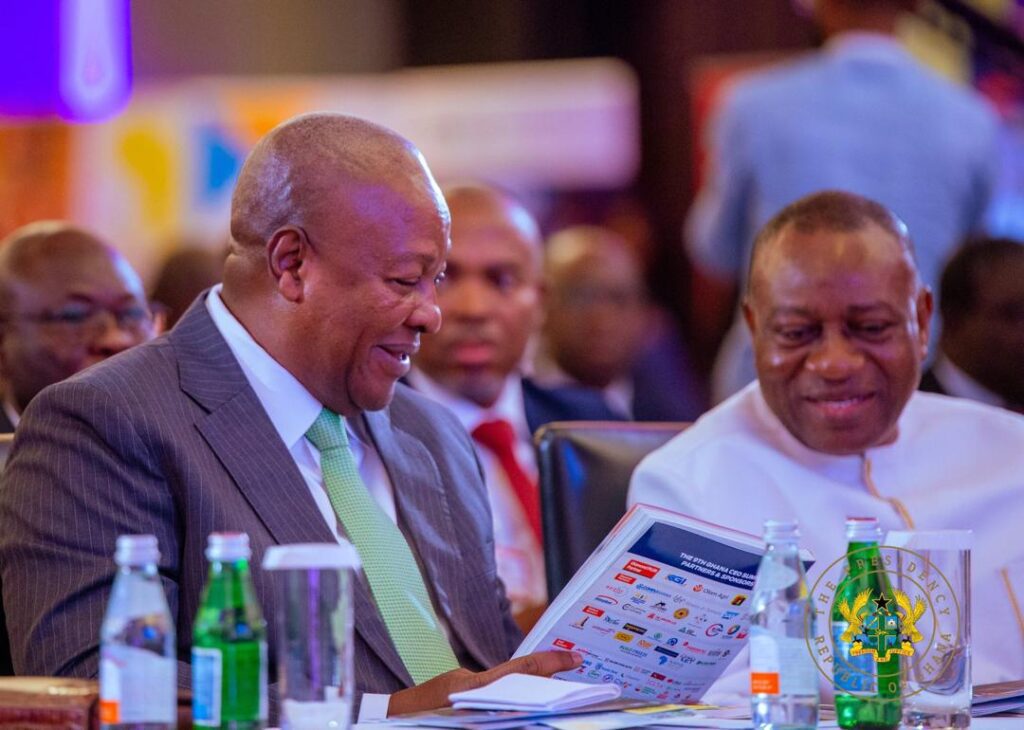
Concluding his address to the corporate captains of industry at the summit, President Mahama pointed to the active exhibition outside the conference hall as a practical demonstration of the high quality and innovative capacity already present within the Ghanaian private sector.
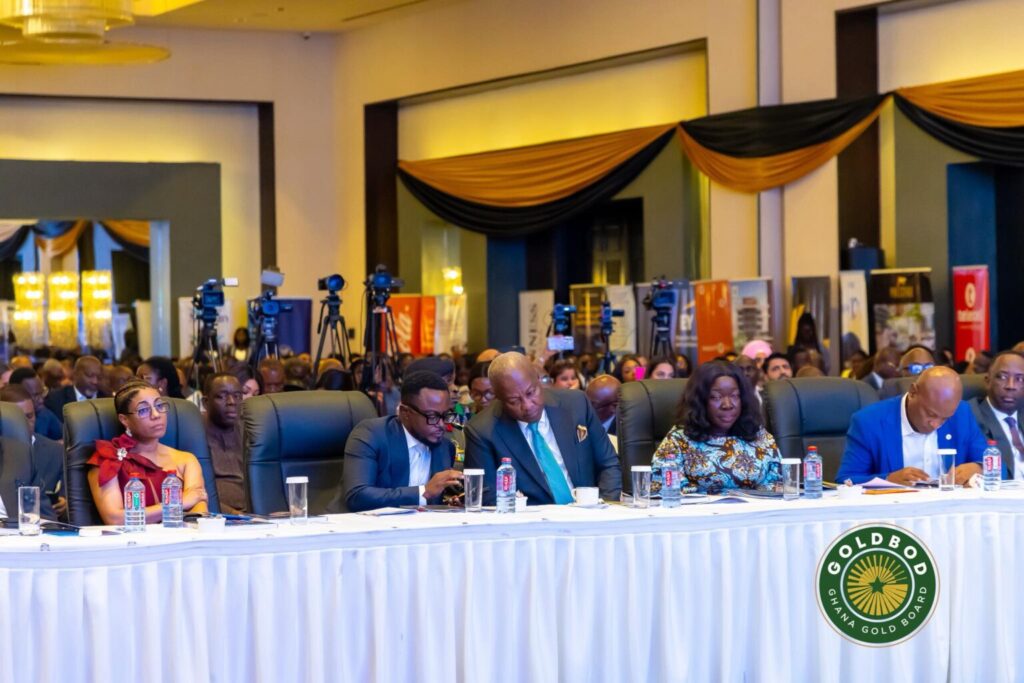
He issued a direct directive to public institutions, institutional investors, and large multinational corporations to redirect their procurement focus toward these emerging local enterprises, as the corporate expo showcased immediate, functional evidence of the enterprise and productive capacity currently driving the local market.
President Mahama maintained that in numerous instances, the advanced technological and manufacturing solutions that Ghanaian entities routinely seek from foreign markets are already being actively developed and scaled by local entrepreneurs within the country’s domestic borders, requiring only targeted institutional capital and patronage to achieve commercial scale.
READ ALSO: Energy remains central to Africa’s transformation – Finance Minister Declares