The macroeconomic stability of Ghana this year gives confidence to the populace that 2026 will further improve the performance of the economic indicators to boost growth.
Experts in Ghana and across the globe have conceded in the hope of a new strength and resilience shown by the Ghanaian economy as indicators beam with renewed positive outlook.
The Centre for Policy Scrutiny (CPS), like many other research firms in Ghana, have recognized the viable fiscal discipline on the part of Ghana’s economic authorities. The 2026 Budget revealed Ghana’s economic recovery milestone, as well as a single-digit inflation of 8.0 percent as of October 2025, appreciation of the Ghana Cedi, and falling interest rate.
The Centre for Policy Scrutiny (CPS) has hailed the 2026 budget statement and economic policy as a key milestone for Ghana’s economic recovery, highlighting the country’s strong disinflation trajectory and falling interest rates as critical enablers for growth next year.
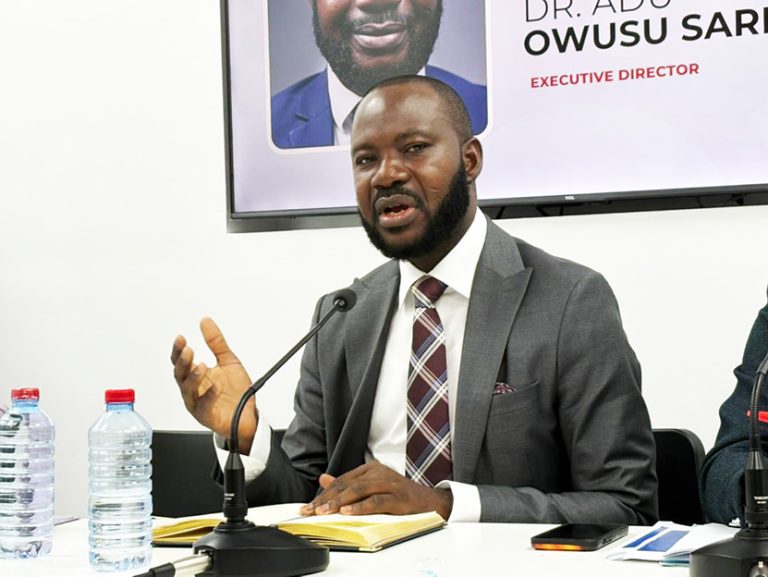
“Ghana is witnessing a welcome period of strong disinflation and lower interest rates, which together form the foundation for a robust economic recovery in 2026.
“These developments signal that fiscal prudence and monetary discipline are taking effect, creating an environment conducive to private sector-led growth and job creation.”
Dr Adu Owusu Sarkodie – Executive Director, CPS
CPS explained that the government’s fiscal and monetary policies are showing signs of recovery, with the impressive economic trajectory of the country. The government can be commended on the generally stable prices, drastic reduction in borrowing, and a spirited people to once again believe in its leaders.
2025’s Badge of Honour
According to CPS, their assurance of the current buoyancy of the Ghanaian economy is rooted in several performing aspects of the economy revealed in the 2026 Budget Statement.
The government has established avenues within the 2026 budget to promote revenue collection and prudent spending to sustain the current fiscal balance, CPS noted. The government has assured continuous prudent spending in areas that will expand the economy and create jobs. In effect, consumption expenditure has declined and will continue to decline to pave the way for investment spending. This constraint by the government is aimed at maintaining the macroeconomic stability of Ghana.
Also, CPS is confident that the policy rate set by the Monetary Policy Committee (MPC) of the Bank of Ghana is projected to be further reduced. This decline will make credit given by commercial banks in Ghana attractive to businesses and individuals, as the cost at which the commercial banks lend from the Bank of Ghana has reduced. CPS added that this will further stimulate investment and growth in the key sectors of the economy – agriculture, manufacturing, and housing.
In reviewing the 2026 Budget, substantial infrastructure development is underscored, CPS pointed out. This increased capital investment in the economy will promote Ghana’s Gross Fixed Capital Formation (GFCF), which has been declining for years. Some of the infrastructural development projects include “road networks, energy projects, and urban housing.” These initiatives will create long-term growth, which CPS observe “strategically aligned with Ghana’s medium-term economic recovery plan and the government’s goal of achieving sustainable development.”
Ahead of 2026
CPS cautions the government to be mindful of the possible shocks that may erupt on the recovery path, both external and internal. Global commodity price volatility. Trade tensions, global uncertainties, and potential shifts in international financing conditions create external shocks to drain Ghana of its macroeconomic stability and subsequently erode fiscal discipline.
The research firm, therefore, called for vigilance on the part of economic managers to put in place reforms that will fortify the position of the economy. The government is further urged to improve revenue mobilization, ensure efficiency of State-Owned Enterprises (SOEs), and improve the private sector in economic development.
CPS, however, applauded the discipline, commitment, and efforts of the government as the business environment has been improved, macroeconomic indicators are in good standing, and the living standards of Ghanaians have improved. These serve as the main drivers of economic expansion and growth.
The firm revealed that “If properly harnessed, these lower financing costs could significantly accelerate entrepreneurship, industrialization, and job creation, providing tangible benefits for ordinary Ghanaians.”
The government needs to be consistent, transparent, and committed to its policies to ensure inclusivity in growth and development, CPS concluded.
READ ALSO: Weak Governance Killing Ghanaian Banks, Warns Dr. Kwabena Donkor