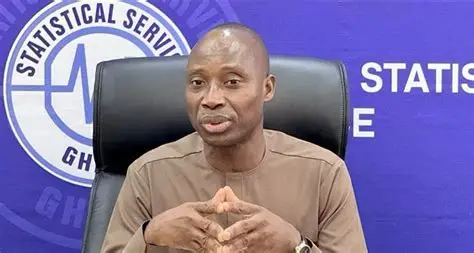
Dr Alhassan Iddrisu, the Government Statistician, has exclaimed praises on the government for prioritizing data and allocating an amount of GHȻ 207 million in the 2026 Budget.
While speaking at the 2025 annual forum for data producers, users, and enhancers on the theme “Financing innovations in data and statistics for sustainable and inclusive development,” Dr Iddrisu verified how instrumental data is and the need to invest in it as a country.
“This is why the Government’s allocation of resources, including the GHȻ 207 million in the 2026 Budget to support the rebasing of CPI, GDP, and related activities, is so significant for us.
“It signals a turning point: a national recognition that accurate statistics are essential infrastructure, just like roads, energy, and health systems.”
Dr Alhassan Iddrisu, Government Statistician
Data Warranty for Institutional Structuring
According to Dr Alhassan Iddrisu, since data has been accepted as a public good, the country must finance it to ensure its data is available, accurate, and relevant to the times. The budget across Ministries, Departments, and Agencies (MDAs) and Metropolitan, Municipal, and District Assemblies (MMDAs) needs to be predictable going forward, Dr Iddrisu remarked.
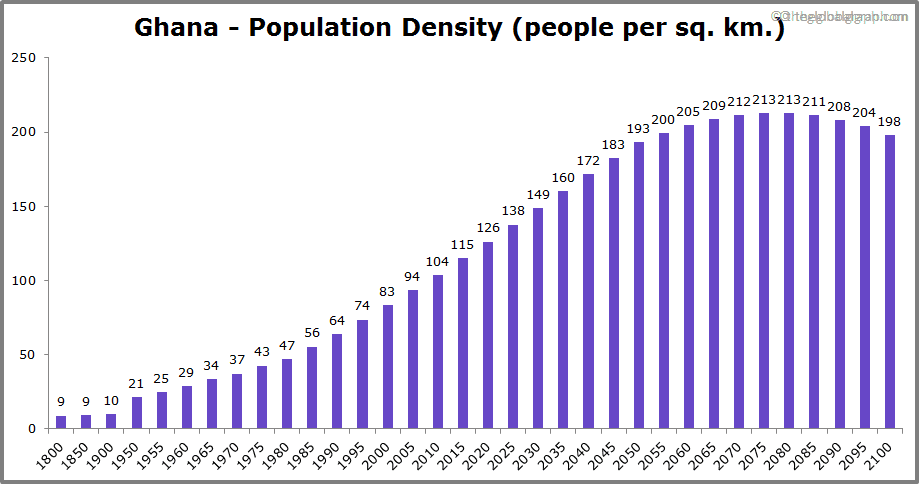
Data is needed to model systems, governance, institutional mandates, infrastructure, policies, and all spheres of the country’s affairs. Every allocation of the country’s money must be measured for use, quality, and outcome to ensure value-for-money.
“We need financing models that blend public, private, and development resources and that support experimentation with AI, geospatial systems, and real-time analytics. We need strong governance, clear mandates, and value-for-money metrics that link every cedi invested to better quality, better coverage, and better use.”
Dr Alhassan Iddrisu, Government Statistician
Government’s Vision Commended
The Government Statistician emphasized that the Ministry of Finance’s vision in prioritizing data, both collection and use, is commendable, and all data-driven stakeholders must appreciate the move by the government.
“Let me pause to acknowledge the Ministry of Finance and Parliament in general and the Minister for Finance, Hon. Dr Cassiel Ato Forson, in particular. Their leadership in prioritizing data and statistics in the 2026 Budget is a major step forward.”
Dr Alhassan Iddrisu, Government Statistician
Dr Iddrisu added that “this commitment did not emerge in isolation; it reflects deliberate engagement, a clear understanding of the value of evidence for economic management, and a willingness to invest in the systems that anchor fiscal discipline, growth, and accountability.”

He further argues that for government policies to fulfill the desired outcome, robust data is needed. The data will not only perfect public allocations but will also equip the country’s statistical system for financing evidence and appropriate accountability.
“We deeply appreciate the Ministry’s recognition that without strong data, public policy cannot achieve its intended results. This partnership strengthens our national statistical system and sets a new standard for financing evidence in Ghana.”
Dr Alhassan Iddrisu, Government Statistician
Furthermore, as “we [data stakeholders] celebrate this step,” according to Dr Iddrisu, “we [data stakeholders] encourage continued, consistent investment that matches the scale of Ghana’s development ambitions.” Currently, the various government initiatives require significant and sufficient data to boost effective implementation and visibility.
Financing Data is not a Cost but an Investment
The government statisticians also refuted claims to conclude that “financing data is not a cost; it is an investment in economic stability, social inclusion, and better outcomes for every household and community.”
He buttressed his assertion with data from the United Nations study, which, according to him, “every US$1 invested in data systems generates an average return of US$ 32 through improved policy decisions, stronger institutions, better targeting of resources, and reduced inefficiencies in public spending.”
This global evidence underpins why continuous financing for data is indispensable. It is an injustice for a society or country to live without accurate data. Therefore, he urges the government, academicians, institutions, and all stakeholders to safeguard Ghana’s national data and recognize its value.
READ ALSO: Ato Forson Draws the Line: Waste of Public Funds Will No Longer Be Tolerated