The Wa Municipal Hospital is grappling with a mounting debt burden of approximately GHS5 million owed to regional medical stores alone, even as management says the facility continues to record high patient numbers despite its downgrade from regional to municipal status.
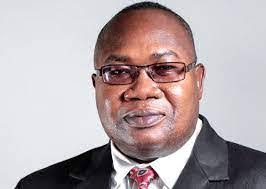
The Medical Superintendent of the hospital, Dr Bukari Zakari, disclosed that ageing infrastructure, obsolete equipment and the growing debt profile are combining to significantly affect healthcare delivery at the facility, prompting an urgent appeal for support to rehabilitate the hospital and replace critical medical equipment.
Dr Zakari offered a detailed breakdown of the scale of the hospital’s indebtedness, tracing much of it back to unpaid bills for essential drugs and non-drug consumables sourced from regional medical stores over an extended period.
“I will just give a small example of the regional medical stores. We owed non-drug consumables those days around $500,000, and we owe drugs around 4 million Ghana cedis. So that is approximately 5 million Ghana cedis just for the regional medical stores.”
Medical Superintendent of the hospital, Dr Bukari Zakari
He noted that beyond this figure, the hospital owes debts to numerous external suppliers as well, explaining that management is currently working to consolidate a comprehensive picture of the facility’s full debt profile in order to plan a coordinated path toward repayment.
operational Costs Compound the Crisis
Beyond the accumulated debt itself, Dr Zakari pointed to the high cost of simply keeping the hospital running as a further complication, noting that logistics required to maintain day-to-day operations continue to strain an already stretched budget.

He explained that the hospital must simultaneously fund the purchase of essential supplies to keep services running while also attempting to service its existing debts, a dual financial pressure he said leaves little room for manoeuvre.
This tension between maintaining operational continuity and repaying outstanding obligations to suppliers reflects a broader financial squeeze that Dr Zakari suggested has become a defining feature of the hospital’s current management challenges.
Suppliers Turn to the Courts
The scale of the hospital’s financial distress has pushed a number of its suppliers to pursue legal action, with several taking the facility to court over unpaid bills and issuing demand notices as they seek to recover what they are owed.
Dr Zakari acknowledged the seriousness of these legal pressures but pointed to the Attorney General’s involvement as a mitigating factor, noting that intervention at that level has helped negotiate structured repayment arrangements with several of the suppliers involved. He said this engagement had allowed the hospital to reach payment plans with a number of creditors, easing what could otherwise have been an even more immediate legal crisis for the facility.
Perhaps most striking among Dr Zakari’s disclosures was his assessment of how long it could realistically take the hospital to clear its outstanding debts given current revenue generation levels.
He estimated that, at the hospital’s present rate of income, servicing the full extent of its debts could take well over a decade, a timeline that underscores the depth of the financial hole the facility now finds itself in.

This projection suggests that without external intervention or a significant boost to the hospital’s revenue base, the debt burden could continue to shape the facility’s operational capacity for years to come, potentially limiting its ability to invest in much-needed infrastructure and equipment upgrades in the interim.
Ageing Infrastructure and Obsolete Equipment
Beyond the financial strain, Dr Zakari flagged the physical condition of the hospital’s infrastructure and equipment as an equally pressing concern. He said much of the facility’s medical equipment has become outdated, while its physical infrastructure continues to age without the kind of renovation or replacement needed to keep pace with the demands placed on it by the high volume of patients the hospital continues to serve.
This combination of financial distress and deteriorating physical capacity has left the hospital in a particularly difficult position, attempting to deliver quality healthcare services to a growing patient population while working with resources that are increasingly ill-equipped to meet that demand.
Despite its downgrade from a regional to a municipal hospital, Dr Zakari noted that the facility continues to handle a high volume of patients, a reality that has placed additional strain on its already limited resources.
This persistent patient demand, occurring even after the facility’s formal reclassification, suggests that residents in the catchment area continue to rely heavily on the hospital for healthcare services, regardless of its official administrative status.
Call for Urgent Support
Dr Zakari closed his remarks with a direct appeal for urgent support to help rehabilitate the hospital’s ageing infrastructure and replace its obsolete medical equipment, framing such intervention as essential to sustaining the facility’s ability to continue serving its patient population effectively.

With the hospital’s debt burden projected to take more than ten years to clear under current conditions, and its infrastructure and equipment needs growing increasingly urgent, Dr Zakari’s appeal places the spotlight on the kind of targeted government or donor support that could help stabilise the facility’s finances while ensuring it remains equipped to meet the healthcare needs of the Wa Municipality going forward.
READ MORE: Ministry of Education Clarifies Ghanaian Languages to Lead Basic School Instruction