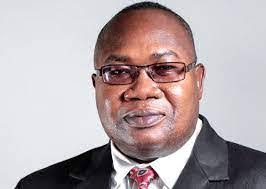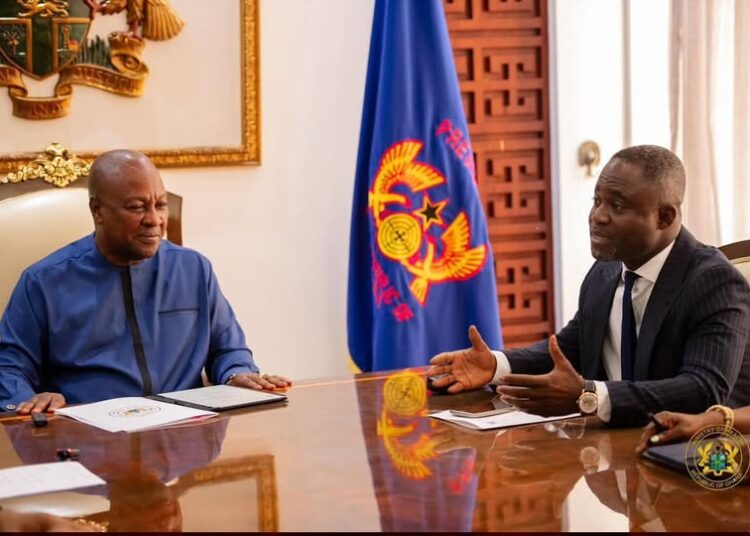
Uncapping the National Health Insurance Levy has strengthened Ghana’s health financing, but the gains remain exposed to inflation, tax dependence and budget pressure, an analysis by IMANI Research Associate Ransford Brobbey has found. The report reviews the reforms Health Minister Kwabena Mintah Akandoh outlined in a briefing on October 6, 2026.
Mr Brobbey reports that removing the cap raised National Health Insurance Scheme allocations from GH¢6.5 billion in 2024 to GH¢9.8 billion in 2025, which funded tariff increases averaging 50% and lifted active coverage from about 57% to about 70%. He recommends that an independent committee adjust tariffs twice a year to protect the progress.
“Sustained claims settlement depends on the Ministry of Finance maintaining timely cash transfers to the NHIA and not reverting to delayed central transfers.”
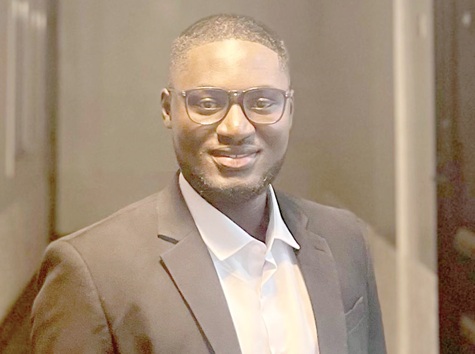
Ransford Brobbey, IMANI Research Associate
Mr Brobbey identifies the uncapping of the National Health Insurance Fund as the catalyst for the reform wave. Before the change, the Earmarked Funds Capping and Realignment Act, 2017 (Act 947) constrained levy inflows, which were routinely diverted to general budget consolidation. The scheme was starved of predictable liquidity, he explains.
Once the cap came off, allocations climbed from GH¢6.5 billion to GH¢9.8 billion. The report adds that the wider health envelope is approaching GH¢32 billion in 2026. That brings Ghana closer to spending about 10% of total expenditure on health, short of the 15% Abuja Declaration target but, in his words, meaningful progress.
Tariff Increases End a Hidden Rationing System
Ransford Brobbey argues that the old fee schedule did damage of its own. “Historically, the NHIA’s suppressed fee schedule operated as a covert rationing device, creating severe distortions.”
Accredited public, private and faith-based facilities suffered crippling working capital deficits, he reports. Providers responded with informal out-of-pocket co-payments for insured patients, which eroded public confidence and depressed membership.
The revised tariffs average a 50% rise across clinical services, with larger jumps for capital-intensive procedures. Hemodialysis rose from GH¢491 to GH¢1,259 per session, about 157%.

Complex renal management climbed from GH¢2,000 to GH¢8,610, about 330%, and internal hernia repair from GH¢691 to GH¢1,629, about 135%. Routine wound dressing moved from GH¢91 to GH¢165, about 81%.
Pairing the new tariffs with prompt payments to providers, Mr Brobbey reports, has driven active NHIS coverage from about 57% to about 70%. He adds that the arrangement removed the economic incentive for accredited facilities to bill without authorisation. Earlier coverage of NHIS claims payments also reported active membership reaching 70%.
Three Vulnerabilities Threaten the Gains
Ransford Brobbey does not treat the progress as secure. He names three weaknesses in the financing architecture. The first is inflationary erosion. In a climate of exchange rate volatility, he warns, imported medical inputs, consumables and pharmaceuticals could outpace fixed tariffs and revive friction with suppliers.
The second is dependence on consumption taxes. Financing that relies heavily on VAT-linked levies is sensitive to weak consumption and broader fiscal consolidation. The third is budget competition.

Regional hospitals and catheterisation labs are expanding at the same time, and Mr Brobbey cautions that they risk crowding out operational spending if debt servicing or weak revenue constrains central transfers.
The report’s central remedy is a dynamic tariff system. Mr Brobbey recommends an independent Technical Tariff Review Committee that would adjust NHIS reimbursement schedules every six months against consumer inflation, medical import indices and currency shifts. In his view, that would permanently prevent the return of illicit out-of-pocket co-payments.
He also proposes a statutory Health Emergency and Vaccine Security Fund, carved out of the uncapped levy and mineral royalties. Its purpose would be to shield vaccine procurement and first-24-hour trauma coverage from annual budget renegotiations.
How Financing Connects to the Wider Programmes
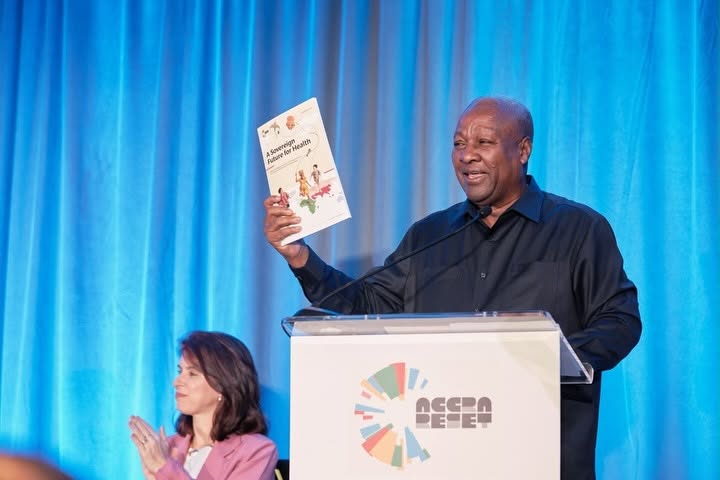
The levy sits beneath the government’s wider health agenda. President Mahama has promoted free primary healthcare abroad, and the government has set aside funds for the Ghana Medical Trust Fund.
Both fit the President’s Accra Reset push to finance more of the country’s development at home. The report is an analysis, not an audit, and it rests largely on the Minister’s own briefing and later interviews.
Mr Brobbey’s warnings, however, point to concrete tests: whether payments to the scheme arrive on time, whether tariffs keep pace with prices and whether capital projects spare operating budgets.
The answers will show whether the gains from uncapping the levy can last beyond a single budget cycle.
READ ALSO: IMF Hikes Ghana Growth by Massive 1.1 Points