Institute of Economic Affairs (IEA) has issued a stern warning to the Government, asserting that the country’s continued reliance on royalty-based mineral agreements is a direct conduit to economic stagnation.
In a strongly worded assessment of the nation’s extractive framework, the IEA argued that the current fiscal model where ownership of vast mineral wealth is ceded to foreign entities in exchange for token revenues is a colonial legacy that renders sustainable development impossible.
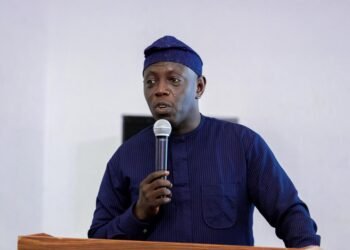
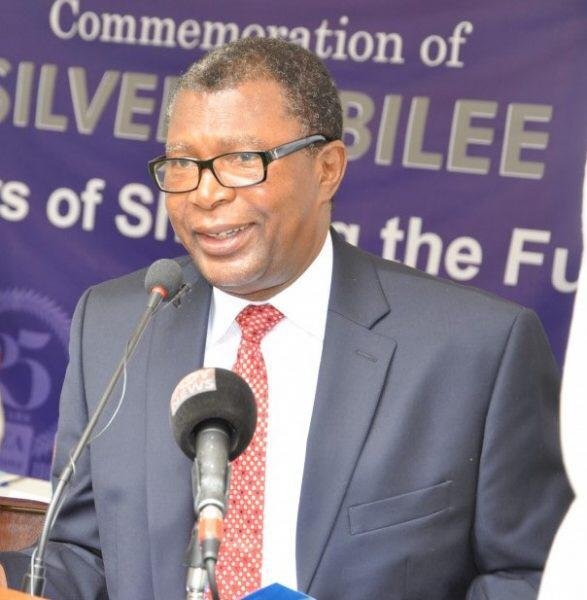
Speaking of behalf of the institute, the Board Chair, Dr. Charles Mensa contends that unless the state shifts from a passive recipient of royalties to an active owner of its resources, the cycle of poverty and debt will remain unbroken.
“An arrangement that transfers ownership of the country’s mineral wealth to foreign companies in exchange for royalties cannot support the country’s quest for sustainable development and industrialization.”
Dr. Charles Mensa, Board Chair, IEA
Expanding on this grim diagnosis, the policy think tank highlights a sobering reality: Ghana has sought a bailout from the International Monetary Fund (IMF) 17 times in less than seven decades of independence.
According to IEA, this persistent return to the Bretton Woods institution is symptomatic of a fundamental flaw in the country’s economic architecture.
Despite extensive natural wealth, the nation struggles with high public debt, a 24.2% poverty rate, and repeated crises.


The IEA points to the burgeoning lithium sector as the latest battleground, warning that the attempt to apply the same “colonial-type agreement” to this critical mineral will yield the same meagre results.
With the global economy pivoting toward clean energy and digital technology, handing over lithium rights for a pittance threatens to lock Ghana out of the industrial revolution.
According to IEA, “the fiscal and legal arrangements governing exploitation of our mineral resources account for the meagre benefits the country has derived from these resources.”
A New Era, Old Mistakes: The Lithium Viability Paradox
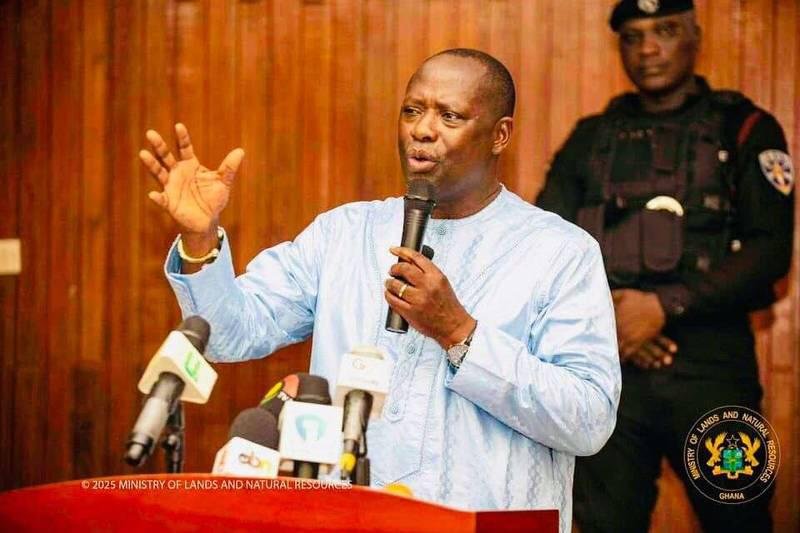
The urgency of the IEA’s call is underscored by the specifics of Ghana’s recent lithium discovery and the proposed terms for the Ewoyaa Lithium Project. In an era defined by the transition to green energy, lithium has become the lifeblood of the modern economy.
It is indispensable for the Electric Vehicle (EV) revolution, the renewable energy storage systems required for grid stability, and the massive data centers that power Artificial Intelligence (AI).
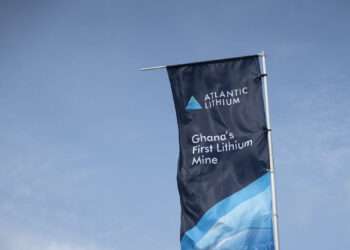
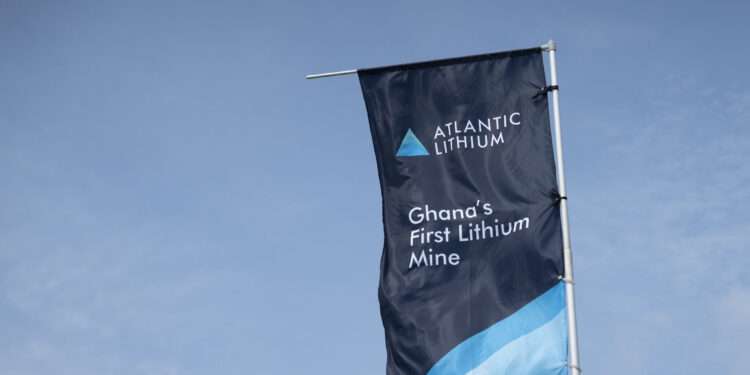
Yet, under the current agreement with Barari DV (a subsidiary of Atlantic Lithium), Ghana is poised to receive benefits that pale in comparison to the asset’s value: a mere 5 percent royalty, a 13 percent free carried interest, and a 6 percent participation interest.
This “giveaway” stands in stark contrast to the project’s exceptional economic fundamentals. IEA reveled that ata from the definitive feasibility study on the Ewoyaa Lithium Project discloses a venture with low capital intensity and immense profitability.
The Internal Rate of Return (IRR) is estimated at a staggering 105%, with a payback period of just 19 months. Essentially, the investors will recoup their entire investment in under two years, yet they will retain control for the 12-year life of the mine.
The IEA argued that such metrics justify full state ownership, not a minority stake. By settling for royalties, Ghana is effectively subsidizing foreign profits while its own industrial ambitions ranging from modernizing farming to powering ICT in rural schools remain underfunded.
The Watchdog’s Warning: IEA’s Pedigree on Policy
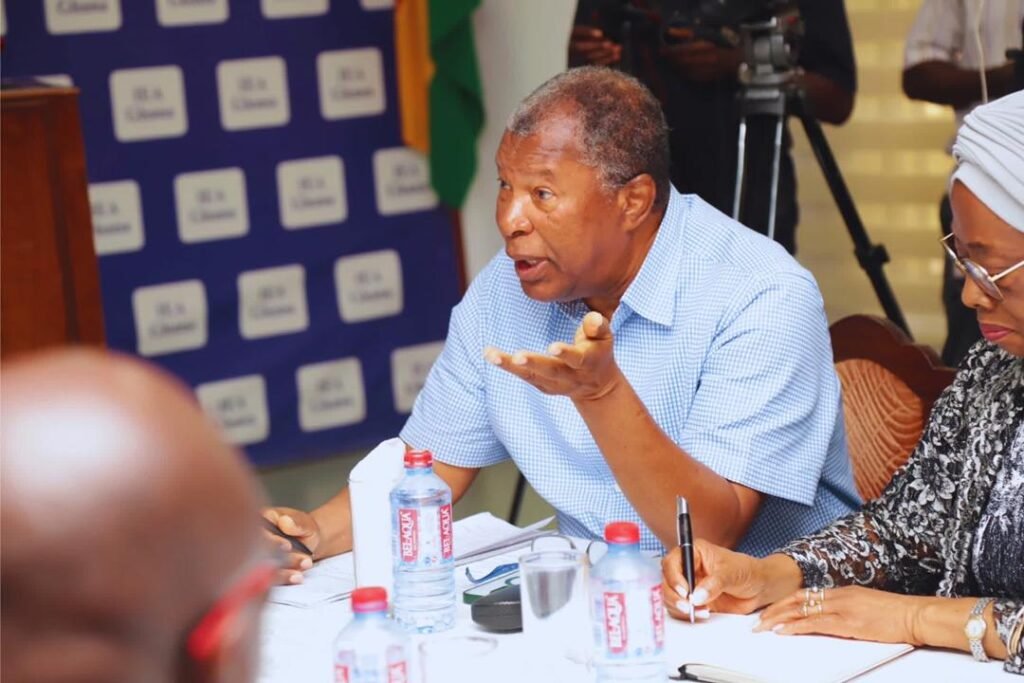
Founded in 1989, the Institute has consistently acted as a guardian of national interest, often challenging government policies that lack fiscal prudence.
The institute has long been a vocal critic of opaque mineral deals, including the controversial Agyapa Royalties transaction, which sought to monetize future gold royalties in a way many experts deemed detrimental to the state.
Their current stance on lithium is not an isolated critique but part of a broader advocacy for resource nationalism that prioritizes the Ghanaian citizen over foreign shareholders.
The Institute’s involvement suggests that the government’s approach to the extractive sector requires a radical overhaul.
By drawing parallels between the failures of the gold sector and the potential failure of the lithium sector, the IEA is signaling that the “business as usual” approach is no longer tenable.
IEA’s comparative analysis indicates that countries like China and Australia have secured their economic futures by controlling and refining lithium, not by leasing it out.
The expertise offers a credible alternative path: if the government heeds this counsel, it could secure a deal that anchors Ghana’s economy; if it ignores it, the 18th IMF visit may be inevitable.
The Service Contract Solution: A Blueprint for Industrialization
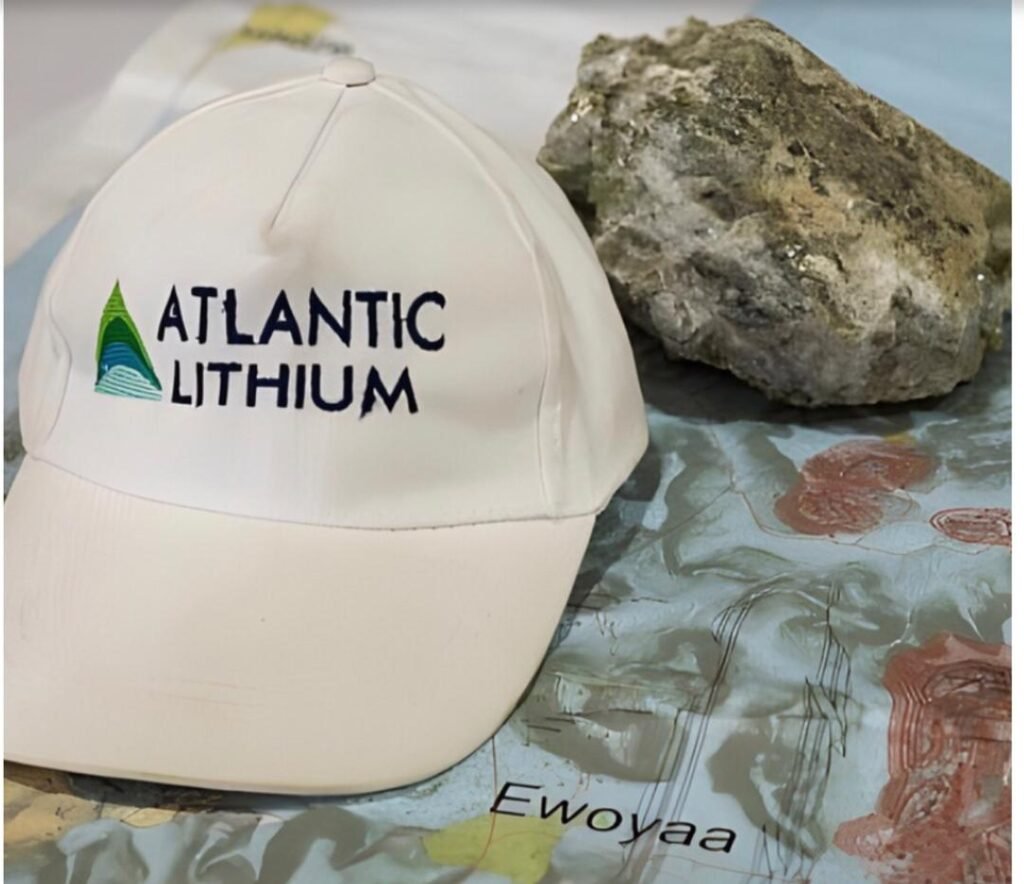
The solution, according to the IEA, lies in a structural shift from concessionary leases to Service Contracts.
In this model, the state retains full ownership of the mineral resource and simply engages mining companies as contractors to extract the ore for a fee.
This arrangement ensures that the bulk of the revenue and the raw material itself remain in national hands.
Control over the physical lithium is crucial because it allows the state to direct the mineral toward local value addition creating by-products like ceramics and quartz and supporting domestic industries.
Without this ownership, Ghana cannot guarantee the reliable and affordable power needed for digitalizing schools or mechanizing agriculture.
The technology revolution hinges on energy storage, and the key to that storage lies beneath Ghana’s soil.
As the IEA posits, we cannot build a sustainable future on the shaky foundation of 5% royalties. Taking ownership is not just about revenue; it is about securing the raw materials necessary to drive the country’s industrialization and break the historical chains of economic dependence.
READ ALSO: Milan Nedeljkovic Becomes BMW’s New CEO as German Auto Sector Faces Crisis