Ghana’s Energy Commission has unveiled draft regulations for energy performance certification of buildings, aiming to cut consumption and support climate action.
The proposed framework introduces Energy Performance Certification (EPC) for public and commercial buildings, a move authorities say is critical to sustainable development, climate action, and responsible urban growth.
The draft regulations were presented during a stakeholder consultation workshop organised by the Energy Commission with support from the Sustainable Energy for Climate Protection in Ghana Project (SE4C II). The engagement brought together policymakers, engineers, developers, facility managers, and industry practitioners to examine how the certification system could work in practice.
“As energy consumption in buildings continues to rise, improving efficiency has become essential for sustainable development and climate action.”
Energy Commission
At the heart of the proposed regulation is the Energy Performance Certification, a system designed to rate buildings based on their energy efficiency.
The EPC will function much like the familiar star-rating labels used for household appliances, offering a clear and comparable indicator of how efficiently a building uses energy.
According to the Energy Commission, the certification is intended to “guide decision-making for building owners, tenants, investors, and regulators by making energy performance visible and measurable.”


The EPC framework is expected to encourage better design choices, improved retrofitting of existing structures, and more responsible energy use across the public and commercial sectors.
Officials explained that buildings account for a growing share of national electricity demand, driven by urbanisation, increased use of air conditioning, lighting, and electronic equipment. Without targeted intervention, this trend could strain the power system and undermine Ghana’s climate commitments.
Stakeholders Engage on Technical and Regulatory Details

The consultation workshop provided a platform for in-depth discussion of the draft regulation’s technical and institutional foundations.
Experts delivered presentations outlining how energy performance would be measured, the scope of buildings covered, and the regulatory requirements expected of owners and developers.
Participants raised questions and concerns during interactive sessions that focused on implementation challenges, compliance costs, and enforcement capacity. These exchanges, organisers said, were crucial to refining the framework before it is finalised.
The Energy Commission described the engagement as a chance to “discuss the draft regulation on Energy Performance Certification for public and commercial buildings,” emphasising that broad stakeholder input would strengthen the final outcome.
Beyond technical discussions, the workshop placed strong emphasis on how the EPC system would be enforced and sustained.
Stakeholders shared practical insights from the construction, real estate, and energy management sectors, highlighting potential bottlenecks and proposing solutions.
One of the central outcomes of the engagement was the collection of feedback aimed at strengthening the regulatory framework.
Participants explored ways to incentivise compliance, including possible links between EPC ratings and access to financing, tenancy decisions, or public procurement preferences.
Energy Efficiency as a Pillar of Ghana’s Climate Strategy
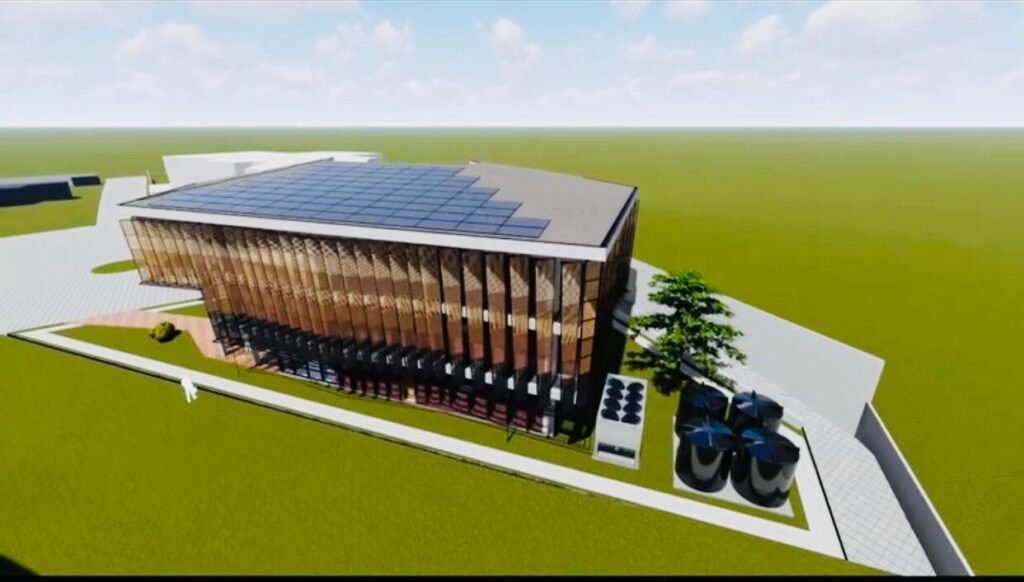
The draft EPC regulations align with Ghana’s broader energy and climate objectives, including reducing emissions, improving grid stability, and lowering energy costs over time.
Energy efficiency is widely recognised as one of the most cost-effective ways to address rising demand while supporting economic growth.
By targeting buildings, one of the fastest-growing sources of energy use, the Energy Commission aims to lock in long-term savings and reduce pressure on generation capacity.
Officials say the EPC system will also help Ghana meet international commitments related to climate protection and sustainable development.
With backing from the SE4C II project, the Commission believes the regulatory framework can serve as a foundation for a more energy-conscious building sector, supporting innovation in design, materials, and construction practices.
The Energy Commission says feedback from the workshop will be reviewed and incorporated into the draft regulations before they are finalised and submitted through the appropriate approval processes. Additional stakeholder engagements are expected as the framework is refined.
READ MORE: SIC Insurance Sets 2026 as Turning Point for Ghana’s Insurance Industry