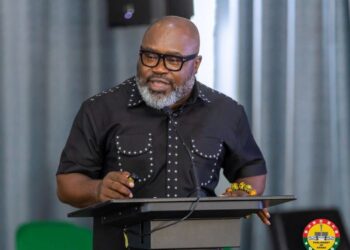
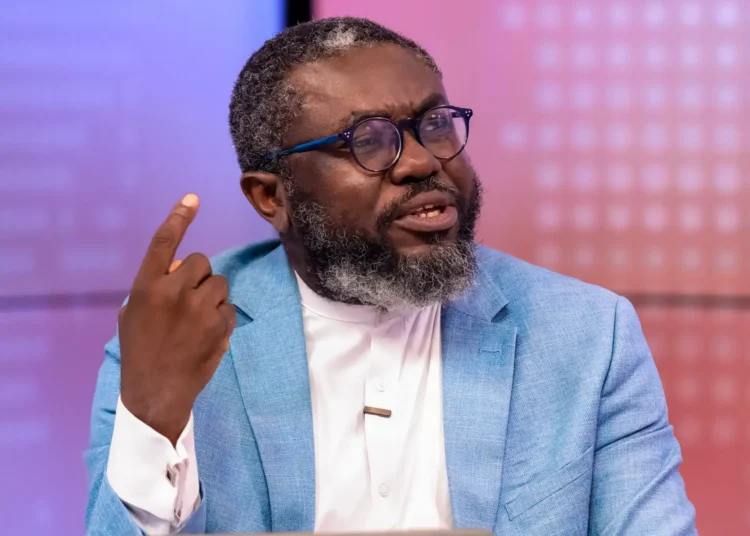
Legal practitioner and activist Osagyefo Oliver Barker-Vormawor has called for the establishment of a dedicated 40-member white-collar crime unit within Ghana’s Attorney-General’s Department, arguing that such a move is critical to the success of the government’s flagship anti-corruption drive, Operation Recover All Loot (ORAL).
He said serious funding must be secured in the 2026 fiscal year to build prosecutorial capacity commensurate with the scale and complexity of corruption cases currently before the state.
In a public commentary reacting to the growing workload facing the Attorney-General’s Department, Barker-Vormawor stressed that while Ghana has made progress by moving ORAL from investigations into active prosecutions, the institutional structure needed to sustain that momentum remains weak.
He argued that the Attorney-General and his deputies are overstretched, managing an extraordinary range of responsibilities that risk undermining the effectiveness of high-stakes corruption trials.
“I think for 2026, the Attorney-General must engage the Finance Minister for serious funding to be released to set up a powerful 40-man white collar crime unit at the AG’s department”.
Legal practitioner and activist Osagyefo Oliver Barker-Vormawor
He described the proposal as a practical step rather than a political statement, insisting that prosecuting sophisticated financial crimes requires specialized teams with the time, tools, and expertise to follow complex money trails and withstand legal pressure from well-resourced defendants.
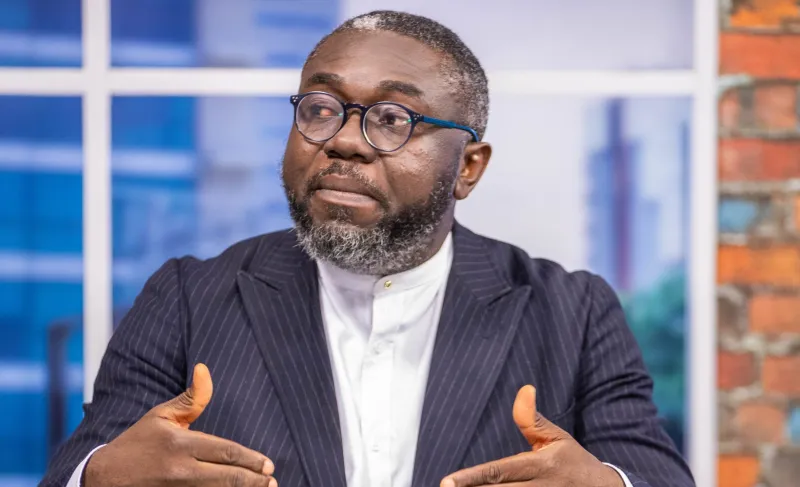
His comments come at a time when ORAL has entered a decisive phase. As of December 2025, the initiative has transitioned from preliminary investigations to full criminal prosecutions in several high-profile cases involving former public officials, party executives, and politically exposed persons.
The shift has raised expectations among the public, while simultaneously increasing pressure on prosecutors to deliver convictions that meet the highest evidentiary standards.
Structural Strain
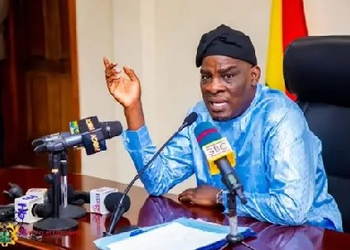
Barker-Vormawor singled out the Deputy Attorney-General and Minister for Justice, Dr. Justice Srem-Sai, describing him as “a brilliant lawyer” whose workload illustrates the structural strain within the justice system.
According to him, Dr Srem-Sai is simultaneously prosecuting major corruption cases, defending the state in constitutional litigation, and representing Ghana in international engagements.
“This man is prosecuting, and defending, and appearing in a thousand constitutional cases from Torkonoo to Nutorko. Then he has to attend meetings and travel to represent Ghana. How can one man do it all?”
Legal practitioner and activist Osagyefo Oliver Barker-Vormawor
He argued that the success of ORAL cannot depend on the personal capacity or endurance of a few senior officials, but rather on a deliberately built institution with depth and continuity.
In his view, a specialized white-collar crime unit would allow prosecutors to focus exclusively on corruption, financial fraud, and economic crimes, improving case preparation and reducing delays that often weaken public confidence in accountability processes.
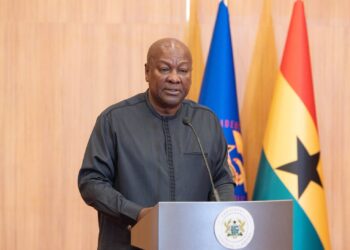
The call for enhanced prosecutorial capacity coincides with a rapidly expanding ORAL caseload. President John Dramani Mahama disclosed in September 2025 that more than 200 cases are under active investigation by the ORAL team, with the Attorney-General currently building 33 specific corruption cases based on findings already submitted.
The estimated recovery value from these investigations, according to the ORAL committee, could reach as high as $20.49 billion, spanning projects such as the National Cathedral, the Power Distribution Services arrangement, and the decommissioning of the Saltpond oil field.
Several major cases are already before the courts. Ashanti Regional Chairman of the New Patriotic Party, Bernard Antwi Boasiako, popularly known as Chairman Wontumi, is facing charges over an alleged GH¢24.2 million fraud involving the Ghana Export-Import Bank. Percival Kofi Akpaloo, leader of the Liberal Party of Ghana, is being prosecuted for the alleged diversion of more than GH¢3.1 million in COCOBOD funds.
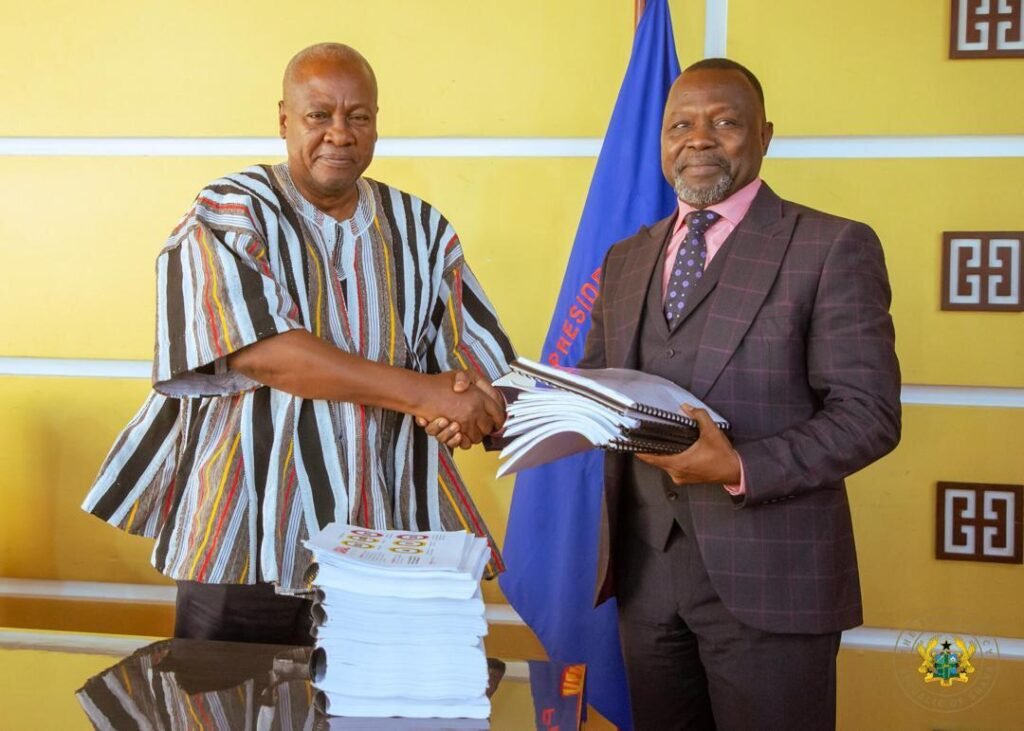
In another significant case, the Attorney-General is prosecuting 12 former officials of the National Service Scheme and nine vendors over allegations of theft, money laundering, and causing financial loss to the state.
Prosecutors say the scheme involved nearly 9,934 “ghost names” placed on the NSS payroll, resulting in large-scale financial leakages. Former National Signals Bureau Director-General Kwabena Adu Boahene and his wife are also facing charges linked to the alleged misappropriation of over GH¢39.4 million intended for a national cyber defense system.
Beyond domestic prosecutions, the anti-corruption push has also entered the international arena. The Office of the Special Prosecutor has filed 78 corruption-related charges against former Finance Minister Ken Ofori-Atta and submitted an extradition request to the United States Department of Justice to facilitate his return to Ghana for trial.
Urgency of the Propsal
While this case is not yet before a local court, it has added to the legal and diplomatic complexity confronting Ghana’s accountability institutions. Barker-Vormawor maintained that these developments make his proposal urgent rather than optional.
He warned that without a significant expansion in prosecutorial manpower and technical expertise, the justice system risks being overwhelmed, creating openings for procedural delays and legal technicalities that could derail cases.
“For ORAL to succeed, we need a new approach for 2026,” he said, framing the proposal as a strategic investment in governance rather than an administrative expense.
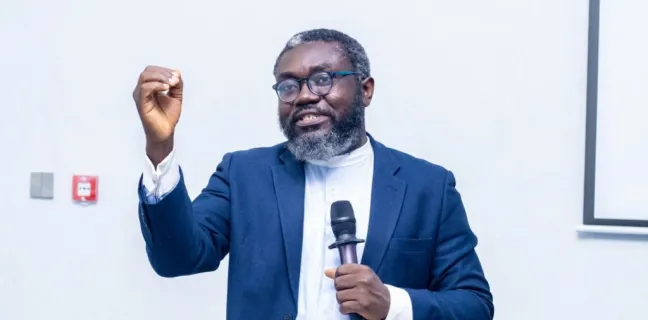
He described the creation of a dedicated white-collar crime unit as “the best Christmas gift anyone can give Ghana,” arguing that it would send a strong signal of political will and institutional seriousness. The unit, he suggested, should be carefully recruited and trained, with leadership empowered to operate independently within the Attorney-General’s Department.
With the Attorney-General earlier signalling that ORAL prosecutions would intensify in the coming year, the debate over resources, capacity, and institutional design is likely to sharpen.
Barker-Vormawor’s intervention has added momentum to calls for deeper reforms, reinforcing the view that the fight against corruption depends not only on political commitment but on building systems capable of sustaining justice over the long term.