
Fuel prices in Ghana could open the new year on a softer note as oil marketing companies prepare to implement fresh reductions in the first pricing window of January 2026.
The expected cuts are likely to extend the relief motorists and households enjoyed during December 2025, following improving conditions in the foreign exchange market and a sustained decline in international petroleum prices.
According to projections released by the Chamber of Oil Marketing Companies (COMAC), ex-pump prices of major petroleum products are expected to trend downward from Thursday, January 1, 2026.
The chamber attributes the outlook to a combination of a strengthening Ghana cedi and easing crude and refined product prices on the international market.
Projected Price Reductions Across Products
According to COMAC’s projections, petrol prices from Thursday, January 1, 2026, are expected to decline by between 2.40 per cent and 4.80 per cent.
Diesel prices are also forecast to fall within a range of 2.42 per cent to 3.77 per cent, while Liquefied Petroleum Gas (LPG) could see reductions of between 1.20 per cent and 2.19 per cent.
These anticipated cuts follow a period of relative stability and modest reductions in December, raising expectations among consumers that the new year could bring sustained relief at the pumps.
“The anticipated price cuts are being driven primarily by a sharp appreciation of the Ghana cedi and a notable drop in international petroleum product prices.”
Chamber of Oil Marketing Companies (COMAC)
COMAC highlighted the dual influence of currency performance and global market trends on domestic fuel pricing.
Stronger Cedi Boosts Pricing Outlook

A key factor underpinning the positive pricing outlook is the recent strength of the Ghana cedi against the US dollar. Over the past three weeks, the local currency has appreciated by more than three per cent, reversing some of the depreciation pressures experienced earlier in the year.
“For the January 1, 2026, pricing window, the local currency appreciated from GH¢11.14 to GH¢10.50 to the dollar, representing an 8.20% gain.”
Chamber of Oil Marketing Companies (COMAC)
This performance marks one of the cedi’s strongest showings in recent months and reflects improved confidence in the local currency.
The current exchange rate also represents a sharp improvement compared to the same period last year, when the cedi traded around GH¢14.84 to the dollar.
Analysts say this stronger currency environment significantly reduces the cost of importing petroleum products, a major component of fuel pricing in Ghana.
Crude Oil Prices Ease on Global Market
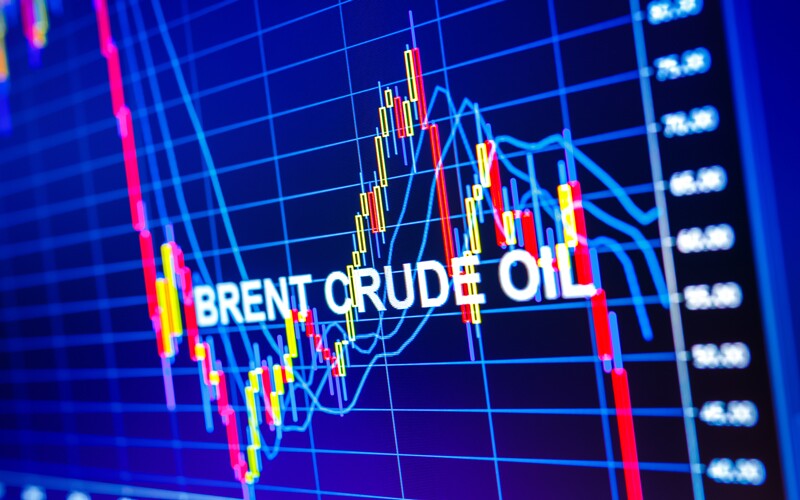
Developments on the international oil market have also supported the downward price outlook. At the start of the new year, crude oil prices softened, with benchmark prices declining by 3.86 per cent from US$63.79 to US$61.33 per barrel.
COMAC attributed the easing crude prices to abundant global supply and rising inventories, which have continued to outweigh geopolitical risks associated with Russia, the Middle East and Venezuela.
Despite ongoing tensions in key producing regions, supply-side fundamentals have remained strong enough to keep prices under pressure.
Market observers note that expectations of moderate global demand growth in early 2026 have also contributed to the subdued price environment.
The downturn in crude oil prices has filtered through to refined petroleum products, further strengthening the case for domestic price reductions.
International prices of petrol declined sharply by 9.17 per cent over the review period, while diesel prices fell by 8.11 per cent. LPG prices also eased, recording a reduction of 3.82 per cent.
These declines in finished product prices are particularly significant for Ghana’s downstream sector, which relies heavily on imports of refined petroleum products. Lower international prices, when combined with a stronger local currency, typically have a direct impact on ex-pump prices.
What It Means for Consumers
If implemented as projected, the January 2026 price cuts could bring further relief to motorists, transport operators and households, particularly after the high spending associated with the festive season.
Lower fuel prices could also help ease transport costs and moderate inflationary pressures in the early months of the year.
For now, consumers and businesses alike will be watching closely as oil marketing companies finalise prices for the first pricing window of 2026, with cautious optimism that the new year will begin with welcome relief at the pumps.
READ ALSO: SLTF Completes 2024/2025 No Fees Stress Payments for Over 152,000 Students